

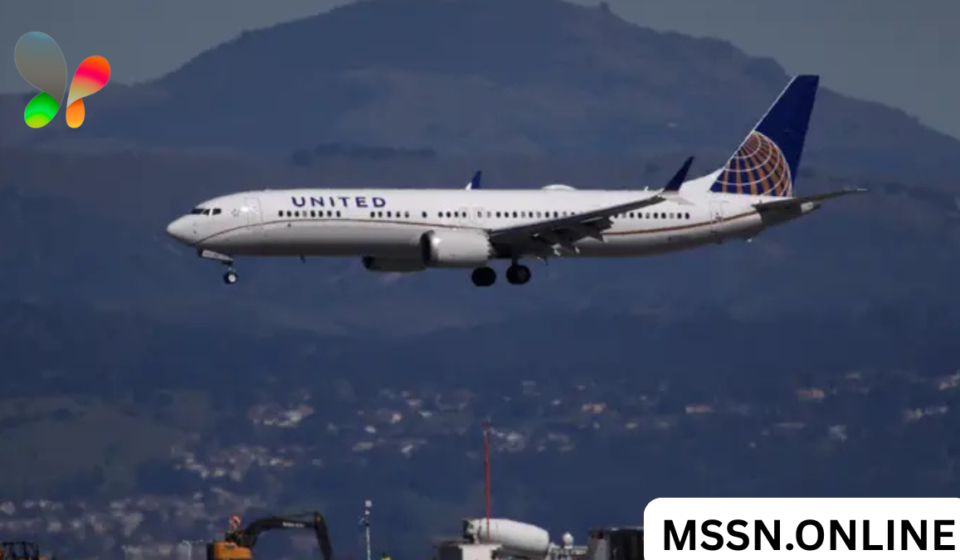

Air travel remains one of the safest ways to travel, but many passengers still worry about aircraft safety when booking a flight. One question that often appears online is: “which Boeing planes to avoid?” The concern grew significantly after several high-profile incidents involving certain Boeing aircraft models. While aviation experts continue to stress that commercial aviation is highly regulated and extremely safe overall, some Boeing aircraft have developed reputations that make travelers uncomfortable.
Understanding which Boeing planes attract the most criticism requires looking at accident history, engineering challenges, maintenance concerns, airline operations, and regulatory investigations. It is important to note that an aircraft model being controversial does not automatically mean it is dangerous. Many planes with troubled histories continue flying safely after upgrades and inspections. Still, informed passengers often prefer knowing more about the aircraft operating their flight.
Boeing has produced some of the most successful airplanes in aviation history. Aircraft such as the Boeing 737, Boeing 747, and Boeing 777 helped shape modern air travel. Millions of passengers safely travel on Boeing aircraft every day. However, some specific variants have received more scrutiny than others due to design flaws, technical failures, or aging systems.
This article explores the Boeing aircraft models that travelers commonly question, why these concerns exist, and how aviation authorities responded. It also explains how passengers can check aircraft types before flying and what factors matter more than simply avoiding one manufacturer or model.
Understanding Why Some Boeing Aircraft Raise Concerns
When discussing which Boeing planes to avoid, it is important to separate fear from facts. Aviation accidents are usually caused by multiple factors rather than a single problem. Mechanical issues, pilot training, weather conditions, maintenance quality, and airline procedures all play major roles in flight safety.
Public concern often increases after media coverage of accidents. Modern news cycles and social media amplify aviation incidents instantly. A technical problem involving one aircraft can suddenly make travelers suspicious of an entire aircraft family. That is exactly what happened with the Boeing 737 MAX after two fatal crashes in 2018 and 2019.
Aircraft manufacturers operate under strict global regulations. Before any commercial airplane enters service, it undergoes years of testing and certification. Even after certification, regulators continuously monitor performance and incidents. When problems appear, aviation authorities can ground entire fleets until fixes are completed.
Another important point is aircraft age. Older airplanes may not necessarily be unsafe, but aging systems require more maintenance. Some travelers avoid older Boeing aircraft because they associate age with increased risk. However, many older planes remain reliable thanks to careful inspections and upgrades.
Passenger perception also matters. Some Boeing models became controversial due to repeated technical headlines. Even when regulators declared the planes safe, public trust did not fully recover. That emotional response continues influencing travel decisions today.
The Boeing 737 MAX and Why It Became Controversial
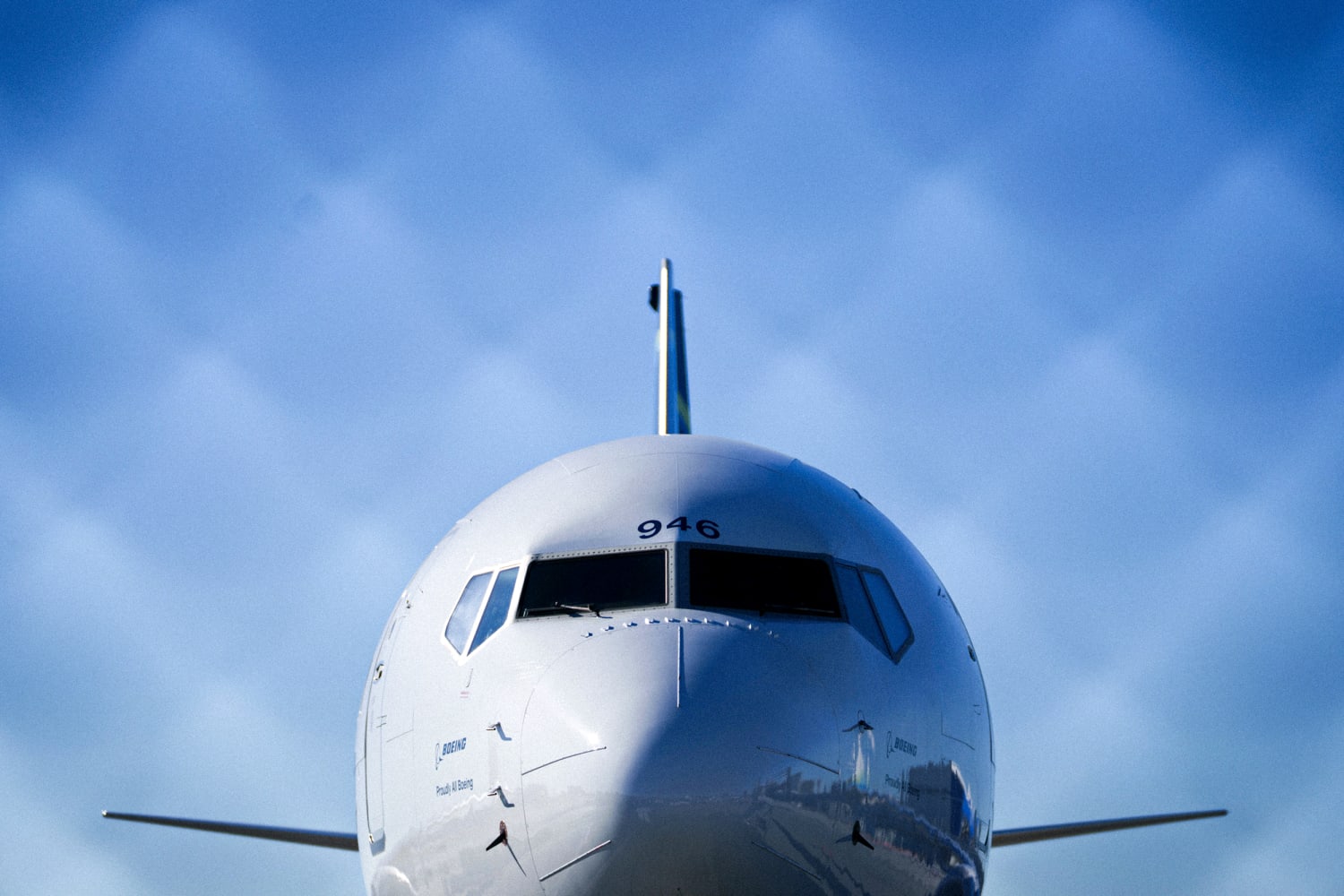
The Boeing 737 MAX is easily the most discussed aircraft when people search for which Boeing planes to avoid. The controversy began after two tragic crashes involving the aircraft within a short period. In October 2018, Lion Air Flight 610 crashed into the Java Sea. Then in March 2019, Ethiopian Airlines Flight 302 crashed shortly after takeoff.
Investigators discovered problems related to a flight control system called MCAS, short for Maneuvering Characteristics Augmentation System. The system relied heavily on data from a single sensor. If the sensor malfunctioned, the aircraft could push the nose downward repeatedly, making recovery extremely difficult for pilots.
The crashes killed hundreds of people and triggered worldwide outrage. Aviation regulators across the globe grounded the Boeing 737 MAX fleet. The grounding lasted nearly two years in some countries, making it one of the most significant aviation crises in modern history.
Boeing faced criticism not only for the technical problem itself but also for communication issues during certification and pilot training discussions. Many experts argued that pilots were not fully informed about the MCAS system before the accidents occurred.
After extensive investigations, Boeing redesigned the MCAS software, added additional safeguards, improved pilot training requirements, and updated manuals. Regulators eventually approved the aircraft to return to service after comprehensive testing.
Despite these improvements, many travelers still feel uneasy about flying on the Boeing 737 MAX. Some passengers intentionally avoid booking flights operated by this aircraft. Airlines even introduced flexible rebooking options during the early return-to-service period because customers remained nervous.
Today, aviation experts generally agree that the Boeing 737 MAX is far more carefully examined than most aircraft in operation. In some ways, it may now be one of the most heavily scrutinized airplanes ever built. However, the emotional impact of the crashes continues affecting public perception.
Boeing 737 NG Models and Structural Crack Concerns
Before the 737 MAX controversy, another member of the Boeing 737 family received attention for structural concerns. The Boeing 737 Next Generation series, often called the 737 NG, includes popular variants such as the 737-700, 737-800, and 737-900.
In 2019, inspectors discovered structural cracks in certain aircraft after many flight cycles. These cracks appeared in a component known as the pickle fork, which helps connect the wings to the fuselage. Because some aircraft developed cracks earlier than expected, regulators ordered urgent inspections.
The issue affected older, heavily used aircraft more significantly. Airlines with large fleets had to temporarily ground planes while inspections and repairs took place. Although the problem sounded alarming, aviation authorities responded quickly, and airlines repaired affected airplanes before returning them to service.
The Boeing 737 NG remains one of the most widely used commercial aircraft families in the world. Millions of passengers fly on these aircraft every month without problems. Still, the structural crack issue caused concern among travelers already worried about Boeing’s quality control practices.
Another reason some passengers hesitate about older 737 NG aircraft is cabin age. Certain airlines continue operating very old versions with outdated interiors and heavy usage histories. Travelers sometimes associate worn cabin conditions with poor maintenance, even though cabin appearance and mechanical reliability are separate issues.
Experts generally do not consider the 737 NG unsafe overall. However, some travelers prefer newer aircraft due to concerns about aging systems and long operational histories.
The Boeing 787 Dreamliner and Battery Problems
The Boeing 787 Dreamliner represented a major leap in aviation technology. It introduced lightweight composite materials, advanced fuel efficiency, improved cabin pressure, and modern electronic systems. However, the aircraft experienced serious battery-related problems shortly after entering service.
In 2013, lithium-ion battery failures caused fires and smoke incidents on multiple Boeing 787 aircraft. Regulators reacted quickly and grounded the entire global Dreamliner fleet temporarily. This marked the first time in decades that the Federal Aviation Administration grounded a major U.S.-built airliner type.
Investigators examined battery design, overheating risks, and containment systems. Boeing redesigned the battery housing and introduced additional protective measures to reduce fire risks. After extensive testing, regulators allowed the aircraft to return to service.
Although the battery incidents were alarming, no fatal crashes resulted directly from the issue. Over time, the Boeing 787 established a stronger operational record and became one of the most popular long-haul aircraft in the world.
Even so, some travelers still remember the early battery problems and prefer alternative aircraft for long international flights. Others became concerned after reports of manufacturing quality issues involving fuselage gaps and assembly standards in later years.
Manufacturing concerns led to temporary delivery pauses and additional inspections. Aviation regulators closely monitored the situation, and Boeing addressed the identified production problems. The aircraft continues operating globally with major airlines.
For most aviation professionals, the Boeing 787 is considered safe today. Still, passengers researching which Boeing planes to avoid often encounter discussions about both the early battery incidents and later manufacturing controversies.
Older Boeing 747 Variants and Aging Aircraft Concerns

The Boeing 747 transformed global aviation and became one of the most iconic aircraft ever created. Nicknamed the “Queen of the Skies,” it carried millions of passengers across continents for decades. However, some older Boeing 747 variants now raise concerns mainly because of age.
Many older Boeing 747 aircraft remain in cargo service, while passenger versions are gradually disappearing from commercial fleets. Aging aircraft naturally require more extensive maintenance, inspections, and component replacements.
Some travelers avoid older Boeing 747 models because they associate four-engine aircraft with outdated technology. Others worry about airlines operating very old fleets in regions with weaker maintenance oversight.
Historically, the Boeing 747 experienced several famous accidents, though most were unrelated to design flaws. Incidents involving terrorism, pilot error, weather, or maintenance mistakes contributed to the aircraft’s accident history over many decades.
One reason passengers still appreciate the Boeing 747 is its long operational record. Aviation experts often argue that an aircraft flying safely for decades demonstrates strong engineering rather than weakness. Still, public perception changes as newer aircraft with modern systems replace older fleets.
The latest version, the Boeing 747-8, includes significant technological improvements and remains respected within the aviation industry. However, many passengers rarely encounter passenger-operated 747s anymore because airlines increasingly favor more fuel-efficient twin-engine aircraft.
Boeing 777 and Isolated Safety Concerns
The Boeing 777 generally enjoys an excellent safety reputation. It is widely considered one of the safest long-haul aircraft ever built. However, no discussion about Boeing aircraft concerns would be complete without mentioning a few high-profile incidents linked to the 777 family.
The disappearance of Malaysia Airlines Flight MH370 remains one of aviation’s greatest mysteries. The aircraft, a Boeing 777, vanished in 2014 while flying from Kuala Lumpur to Beijing. Despite extensive search efforts, investigators never fully solved the case.
Importantly, there is no evidence suggesting the Boeing 777 itself caused the disappearance. Most theories involve human actions or deliberate interference rather than technical design flaws. However, public association between the event and the aircraft type influenced perceptions.
Another major incident involved Malaysia Airlines Flight MH17, also a Boeing 777, which was shot down over eastern Ukraine in 2014. Again, the aircraft itself was not at fault, but repeated media coverage connected the Boeing 777 name with tragedy in public memory.
More recently, certain Boeing 777 aircraft powered by Pratt & Whitney engines experienced engine failures. One dramatic incident in 2021 involved debris falling over residential areas after an engine failure shortly after takeoff. Regulators responded with inspections and temporary groundings for affected engine types.
Despite these incidents, aviation experts strongly regard the Boeing 777 as one of the most reliable long-distance aircraft ever produced. Most travelers do not actively avoid it, but some nervous flyers become concerned after seeing headlines involving the aircraft.
Boeing 737 Classic Series and Aging Technology
The Boeing 737 Classic family includes the 737-300, 737-400, and 737-500 models. These aircraft were extremely popular during the 1980s and 1990s. Today, many have retired, but some continue operating with smaller airlines around the world.
When travelers discuss which Boeing planes to avoid, older 737 Classic aircraft often appear because of their age. Many of these airplanes have accumulated decades of heavy use and thousands of flight cycles.
Older aircraft require constant maintenance attention. While regulators enforce strict safety rules, some travelers feel uncomfortable flying on planes designed decades ago. Concerns increase when airlines operate older fleets in regions where regulatory oversight may not be as strong.
The 737 Classic series also experienced some notable accidents historically. In particular, rudder control issues contributed to investigations during the 1990s. Boeing eventually redesigned certain systems and updated procedures.
Today, many aviation professionals consider the remaining 737 Classics safe when properly maintained. However, passenger preference increasingly favors newer aircraft with modern avionics, quieter cabins, and updated systems.
Travelers concerned about comfort often dislike older Boeing 737 Classics because cabins may feel cramped, noisy, or outdated compared to newer models. This perception sometimes blends comfort concerns with safety fears, even though they are different issues.
The Role of Airline Maintenance in Aircraft Safety
One of the biggest misconceptions in aviation discussions is believing that aircraft type alone determines safety. In reality, airline maintenance quality plays a massive role in operational safety.
A well-maintained older Boeing aircraft can be safer than a poorly maintained newer airplane. Airlines follow detailed maintenance schedules approved by regulators and manufacturers. Components undergo inspections, replacements, and repairs continuously throughout an aircraft’s lifespan.
Major international airlines usually maintain extremely high standards regardless of aircraft age. Their operations are heavily monitored by aviation authorities and international safety organizations.
Problems become more likely when airlines face financial struggles, weak oversight, or poor maintenance cultures. Travelers sometimes blame the aircraft manufacturer when the underlying issue actually involves airline operations.
For example, a Boeing 737 operated by a top-tier airline with rigorous maintenance procedures may present lower risk than a newer aircraft operated by a poorly regulated carrier.
Passengers researching which Boeing planes to avoid should therefore pay attention not only to the aircraft model but also to the airline’s safety reputation, maintenance history, pilot training standards, and regulatory environment.
Websites that track airline safety ratings can help travelers make more informed decisions. Looking at an airline’s operational history often provides more meaningful insight than focusing solely on aircraft type.
How Aviation Authorities Monitor Boeing Aircraft
Aviation safety depends heavily on regulators. Organizations such as the Federal Aviation Administration in the United States and the European Union Aviation Safety Agency continuously monitor aircraft performance and incidents.
When problems appear, regulators can issue airworthiness directives requiring inspections, repairs, or operational restrictions. In serious cases, entire fleets can be grounded temporarily, as seen with the Boeing 737 MAX and Boeing 787.
Modern aviation safety systems are highly data-driven. Airlines report mechanical issues, unusual events, and maintenance findings regularly. Investigators analyze trends to identify emerging risks before accidents occur.
Boeing aircraft undergo constant review throughout their operational lives. Engineers collect performance data, study incident reports, and improve procedures over time. Aviation safety evolves continuously rather than remaining fixed.
Many passengers assume that if an aircraft remains in commercial service, regulators consider it safe enough to operate under approved conditions. That does not eliminate all risk, but it reflects the aviation industry’s strong emphasis on oversight.
The Boeing 737 MAX grounding demonstrated that regulators are willing to take major action when necessary. The global grounding cost Boeing billions of dollars and significantly damaged public trust, but it also showed the system’s ability to respond aggressively to safety concerns.
Travelers should remember that modern commercial aviation includes multiple layers of protection involving manufacturers, airlines, pilots, regulators, and maintenance organizations.
Why Some Travelers Still Avoid Boeing Aircraft Entirely
Even though experts emphasize aviation safety, some passengers now avoid Boeing aircraft completely whenever possible. This reaction intensified after the 737 MAX crisis and subsequent manufacturing concerns involving other Boeing models.
Psychology plays a major role in travel decisions. Many people remember dramatic news stories more strongly than statistical safety data. Emotional reactions can persist long after technical problems are resolved.
Social media also contributes to ongoing anxiety. Viral videos showing mechanical problems, emergency landings, or loose cabin panels create fear quickly. Even isolated incidents can damage public confidence if they receive enough attention online.
Another factor is trust. Some travelers feel Boeing prioritized business pressures over engineering caution during the development of certain aircraft programs. Investigative reports and congressional hearings following the 737 MAX crashes reinforced these concerns for many people.
As a result, passengers increasingly check aircraft types before booking flights. Websites and airline apps often display aircraft information during the reservation process. Some travelers deliberately choose Airbus-operated flights instead.
However, aviation professionals generally warn against assuming one manufacturer is automatically safer than another. Airbus aircraft have also experienced technical issues and accidents throughout aviation history.
Commercial aviation safety depends on complex systems rather than simple manufacturer comparisons. Still, passenger emotions remain powerful, and Boeing continues working to rebuild trust globally.
Boeing Aircraft That Generally Maintain Strong Reputations
While discussions about which Boeing planes to avoid focus on controversies, several Boeing aircraft maintain excellent reputations among pilots and aviation experts.
The Boeing 777 is widely praised for reliability, range, and operational safety. Airlines around the world rely heavily on the aircraft for long international routes. Many pilots consider it one of the best-designed commercial airplanes ever built.
The Boeing 757 also earned a strong reputation for performance and durability. Although aging today, the aircraft became known for excellent power and reliability during decades of service.
Similarly, the Boeing 767 remains respected within both passenger and cargo operations. Many airlines continue using it successfully on medium and long-haul routes.
Even the Boeing 737 NG family retains strong operational credibility despite structural inspection concerns in some older units. Its widespread use demonstrates continued industry confidence.
The Boeing 787 Dreamliner, after early battery issues, evolved into a popular modern aircraft valued for passenger comfort and fuel efficiency. Travelers often appreciate its larger windows, improved cabin humidity, and smoother ride quality.
Understanding these positive reputations helps create a more balanced perspective. Boeing’s history includes remarkable engineering achievements alongside periods of controversy and criticism.
How Passengers Can Check Aircraft Types Before Flying
Travelers who want to avoid specific Boeing aircraft can usually check aircraft information before booking or before departure. Most airline websites display aircraft models during the reservation process.
Flight tracking websites and mobile apps also provide detailed aircraft information. Passengers can search by flight number to view aircraft type, age, seat configuration, and sometimes even registration history.
If avoiding the Boeing 737 MAX specifically, travelers should pay attention because airlines may list it under different names such as “737 MAX 8” or “737-8.” Understanding these naming variations helps avoid confusion.
Aircraft assignments can sometimes change before departure due to operational reasons. Airlines may swap aircraft types at the last minute because of maintenance needs, scheduling adjustments, or weather disruptions.
Passengers deeply concerned about aircraft type should monitor their reservation regularly. Some airlines allow free changes if a different aircraft replaces the originally scheduled one.
It is also useful to understand that certain routes commonly use specific aircraft families. Regional flights often use narrow-body aircraft like the Boeing 737, while long international flights may use larger aircraft such as the Boeing 777 or Boeing 787.
Learning basic aircraft identification can make travelers feel more informed and comfortable when flying.
Are Boeing Planes Actually Unsafe?
The question “which Boeing planes to avoid” often assumes Boeing aircraft are broadly unsafe. Aviation experts generally reject that conclusion. Commercial aviation remains extraordinarily safe overall, including flights operated by Boeing aircraft.
Millions of Boeing flights occur safely every year across the world. Statistical risk remains extremely low compared to many other forms of transportation. Even aircraft involved in controversies continue operating under strict oversight after corrections and inspections.
That said, Boeing has faced serious criticism in recent years. Investigations revealed shortcomings involving engineering decisions, certification processes, manufacturing quality, and corporate culture. These issues damaged public confidence significantly.
The aviation industry learned major lessons from the Boeing 737 MAX crisis. Regulators strengthened oversight procedures, airlines expanded pilot training requirements, and Boeing revised internal processes.
Passengers should approach the topic realistically rather than emotionally. Avoiding a specific Boeing model may provide personal comfort, but aviation safety depends on many interconnected factors.
For nervous travelers, choosing highly rated airlines, avoiding poorly regulated carriers, and flying with experienced operators may matter more than simply avoiding one manufacturer.
Understanding the difference between public perception and technical safety helps create a clearer picture of modern aviation risks.
Comparing Boeing and Airbus Safety Records
Many travelers comparing aircraft safety naturally ask whether Airbus planes are safer than Boeing planes. The answer is not simple because both manufacturers produce aircraft with strong overall safety records.
Airbus and Boeing each experienced accidents, technical problems, and controversial moments throughout aviation history. Aviation safety improves continuously because manufacturers learn from incidents and apply lessons across future designs.
After the Boeing 737 MAX crashes, Airbus gained a public relations advantage because many travelers viewed Boeing as less trustworthy. However, aviation experts emphasize that comparing manufacturers solely based on isolated crises can be misleading.
Aircraft safety depends heavily on operational context. The same aircraft model may perform differently depending on airline maintenance standards, pilot training quality, environmental conditions, and regulatory oversight.
Airbus aircraft such as the A320 family also experienced incidents and technical concerns historically. No major manufacturer completely avoids challenges in such a complex industry.
Many airlines operate mixed fleets containing both Boeing and Airbus aircraft successfully. Pilots, regulators, and maintenance crews work extensively with both manufacturers under strict international safety frameworks.
Ultimately, travelers should focus on informed decisions rather than fear-driven assumptions. Aviation remains one of the safest industries because every incident receives intense investigation and leads to improvements.
Final Thoughts on Which Boeing Planes to Avoid
The discussion around which Boeing planes to avoid mainly centers on the Boeing 737 MAX, older Boeing 737 variants, and certain aircraft associated with manufacturing or maintenance concerns. Among these, the 737 MAX became the most controversial due to the fatal crashes linked to the MCAS system.
Other Boeing aircraft, including the Boeing 787 Dreamliner and older Boeing 747 or 737 Classic models, raised concerns for different reasons ranging from battery problems to aging structures. However, aviation authorities addressed these issues through inspections, redesigns, maintenance requirements, and operational oversight.
It is important to remember that aircraft safety cannot be judged solely by manufacturer or model. Airline maintenance standards, pilot training, regulatory systems, and operational culture all influence safety outcomes significantly.
Most aviation experts continue viewing commercial Boeing aircraft as safe overall. Millions of passengers fly on them every day without incident. Even controversial aircraft like the Boeing 737 MAX underwent extensive redesigns and regulatory review before returning to service.
For travelers who still feel uncomfortable, checking aircraft type before booking provides peace of mind. Choosing reputable airlines with strong safety records may matter more than avoiding one particular aircraft family.
A balanced perspective helps separate genuine concerns from exaggerated fear. Boeing’s recent challenges damaged public trust, but modern aviation remains heavily regulated and continuously monitored. Understanding the facts allows passengers to make informed decisions without unnecessary panic.
FAQs
Which Boeing plane is considered the most controversial?
The Boeing 737 MAX is considered the most controversial because of two fatal crashes linked to the MCAS system.
Is the Boeing 737 MAX safe now?
Regulators approved the Boeing 737 MAX after software fixes, added safeguards, and updated pilot training requirements.
Are older Boeing planes unsafe?
Older Boeing planes are not automatically unsafe if airlines maintain them properly according to strict regulations.
Why do some people avoid Boeing aircraft?
Some travelers avoid Boeing aircraft because of recent accidents, manufacturing concerns, and negative media coverage.
Can passengers check aircraft type before flying?
Yes, most airlines and flight tracking websites show aircraft type information before departure.
Is Boeing less safe than Airbus?
Both Boeing and Airbus generally maintain strong safety records, though each has faced technical issues and accidents.
What Boeing aircraft had battery problems?
The Boeing 787 Dreamliner experienced lithium-ion battery issues shortly after entering service.
Are Boeing 747 planes still flying?
Yes, some Boeing 747 aircraft still operate mainly in cargo service and with a few passenger airlines.
Do airlines change aircraft types before flights?
Yes, airlines sometimes switch aircraft because of maintenance, scheduling, or operational needs.
What matters most for flight safety?
Airline maintenance quality, pilot training, and regulatory oversight are among the most important safety factors.
Also read:cilxarhu677 moisturizer product: Complete Expert Guide for Skin Hydration and Care