

Tie Kwan Yin — often spelled Tieguanyin — is more than just a tea. It is a symbol of tradition, craftsmanship, patience, and sensory perfection. Revered across centuries and continents, this extraordinary oolong tea occupies a rare space where culture, agriculture, artistry, and spirituality intersect.
For many tea lovers, the first sip of Tie Kwan Yin feels like a revelation. The aroma alone can stop you mid-thought — floral yet creamy, fresh yet layered, delicate yet persistent. Then comes the texture: smooth, almost velvety, coating the mouth with a gentle sweetness that lingers long after the cup is empty.
But what truly elevates Tie Kwan Yin is not just flavor — it is the story behind every leaf. From misty mountain gardens to meticulous hand-processing techniques, every stage of its journey reflects generations of accumulated wisdom.
This guide explores everything you could possibly want to know about Tie Kwan Yin — its origins, myths, production methods, flavor science, brewing mastery, health benefits, grading systems, buying strategies, storage practices, cultural relevance, and future in the global tea industry.
By the time you finish reading, you won’t simply recognize Tie Kwan Yin as a premium tea — you’ll understand why it is often considered one of the greatest teas ever produced.
What Does Tie Kwan Yin Mean?
The name “Tie Kwan Yin” translates to “Iron Goddess of Mercy.” At first glance, the phrase might seem poetic — perhaps even mysterious — but each word carries meaning rooted deeply in Chinese culture.
“Guanyin,” or “Kwan Yin,” refers to the Buddhist bodhisattva associated with compassion, protection, and mercy. Naming a tea after such a revered spiritual figure signals profound respect. It suggests the tea offers comfort, balance, and emotional warmth — qualities many drinkers genuinely report experiencing.
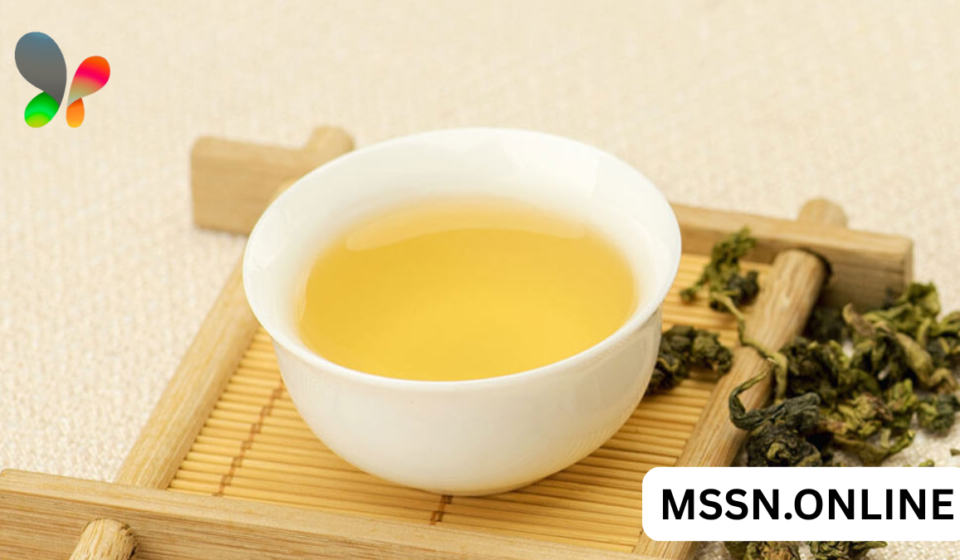
The word “iron” often confuses newcomers. It does not refer to a metallic taste or heaviness. Instead, it describes the tightly rolled leaves that feel dense and weighty in the hand. High-quality Tie Kwan Yin pearls are compact, signaling careful rolling and superior leaf integrity.
Over time, the name has become shorthand for excellence. When experienced tea drinkers see Tie Kwan Yin on a label, they expect refinement, aromatic complexity, and a memorable drinking experience.
Pronunciation is simpler than it looks: “Tee-gwan-yin.” Once you say it a few times, it becomes second nature — much like brewing the tea itself.
The Legendary Origin Story
Few teas possess a legend as beloved as that of Tie Kwan Yin. While historians debate the literal accuracy of the tale, its symbolic power continues to shape how people perceive the tea today.
According to tradition, a poor farmer walked past an abandoned temple dedicated to Guanyin every day. Though he had little to spare, he felt compelled to care for the neglected shrine. He swept the floors, cleared debris, and lit incense whenever possible.
One night, Guanyin appeared in his dream and guided him toward a treasure hidden behind the temple.
Expecting gold or jewels, the farmer instead discovered a small tea plant.
Trusting the vision, he cultivated it — and the resulting tea was unlike anything anyone had tasted before. Its fragrance was mesmerizing, its texture luxurious.
Rather than hoarding the plant, the farmer shared cuttings with neighbors. Soon, the tea spread throughout the region, earning admiration wherever it traveled.
The story carries a timeless message: generosity often yields the richest rewards.
Whether myth or metaphor, the legend reflects values still embedded in tea culture — humility, care, patience, and harmony with nature.
The Birthplace of Tie Kwan Yin
Exceptional tea is inseparable from exceptional geography, and Tie Kwan Yin owes much of its character to its homeland: Anxi County in China’s Fujian Province.
This mountainous region offers near-perfect growing conditions.
Morning mists blanket the slopes, protecting delicate leaves from harsh sunlight. Mineral-rich soil nourishes the roots. Moderate rainfall keeps plants hydrated without overwhelming them. Cool evenings slow growth, allowing flavor compounds to develop more fully.
Tea experts often emphasize the importance of terroir — the environmental fingerprint shaping agricultural products. Just as wine reflects the vineyard, Tie Kwan Yin reflects Anxi.
Higher elevations typically produce more aromatic teas because the plants experience mild stress. In response, they generate protective oils that later translate into captivating fragrances.
But geography alone is not enough. What truly defines Anxi is its people. Tea is not merely a crop there — it is heritage. Families pass down cultivation secrets across generations. Children grow up learning how to judge leaves by scent, appearance, and texture.
Entire communities revolve around harvest seasons, roasting schedules, and market days. Tea is woven into daily life.
Understanding Oolong: Where Tie Kwan Yin Fits
To appreciate Tie Kwan Yin fully, you must first understand its category: oolong tea.
Tea generally falls into several major types — white, green, oolong, black, and fermented varieties — and the primary difference among them is oxidation.
Oxidation is a natural chemical reaction that begins once tea leaves are picked. Controlled carefully, it shapes flavor, aroma, color, and mouthfeel.
Green teas undergo minimal oxidation, preserving fresh, grassy notes.
Black teas oxidize completely, producing bold, malty flavors.
Oolong sits beautifully between these extremes.
Tie Kwan Yin typically ranges from about 15% to 40% oxidation, though styles vary. This middle ground creates a balance rarely achieved elsewhere — floral brightness supported by gentle depth.
One of the most remarkable aspects of Tie Kwan Yin is texture. While many teas impress through taste alone, this oolong delivers a creamy, almost buttery sensation that glides across the palate.
It feels luxurious without being heavy — refined rather than overpowering.
Traditional vs Modern Tie Kwan Yin Styles
Not all Tie Kwan Yin tastes alike. Over decades, production methods have evolved, creating two dominant stylistic families.
Traditional Roasted Style
Historically, Tie Kwan Yin was more heavily oxidized and finished with charcoal roasting. These teas tend to exhibit warmer, deeper characteristics — toasted nuts, caramel hints, dried fruit undertones, and a lingering sweetness.
They often appeal to experienced drinkers who enjoy complexity and subtle transitions between sips.
Additionally, roasted versions age gracefully. Over time, flavors integrate further, sometimes developing honeyed or spice-like notes.
Modern Jade Style
In recent years, lighter oxidation has gained popularity. Often called jade Tie Kwan Yin, this style emphasizes freshness and aromatic lift.
Expect vivid orchid notes, lilac-like fragrance, and a clean, springtime energy.
These teas are extremely approachable, even for people who typically prefer green tea.
Which Style Is Superior?
Neither — they simply cater to different moods.
Traditional styles invite contemplation.
Modern styles feel lively and refreshing.
Many serious tea enthusiasts keep both in their collection, selecting based on season, weather, or emotional atmosphere.
The Extraordinary Craftsmanship Behind Every Leaf
Producing Tie Kwan Yin is labor-intensive and requires remarkable intuition. Machines assist, but human judgment remains irreplaceable.
The process begins with precise plucking — usually one bud accompanied by two or three mature leaves. Timing is critical; harvest too early, and flavors lack depth. Too late, and bitterness emerges.
Next comes sun withering, reducing moisture while initiating early chemical changes that help form aromatic compounds.
Perhaps the most distinctive stage is leaf shaking. Leaves are gently tumbled in bamboo drums, bruising the edges while keeping the centers relatively intact. This controlled damage encourages partial oxidation — the secret to layered flavor.
Once the tea master senses the perfect aromatic development (often judged by smell rather than instruments), heat is applied to halt oxidation.
Then comes rolling. Leaves are wrapped in cloth and compressed repeatedly until they form tight pellets. When steeped, they slowly unfurl — a visual reminder of the craftsmanship involved.
Roasting may follow, depending on style. Some teas undergo multiple roasting sessions spaced weeks or even months apart.
This patience is not theatrical — it directly enhances structure and longevity.
Flavor Profile: Why Tie Kwan Yin Is So Addictive
Describing flavor is notoriously difficult because taste is subjective. Still, certain characteristics appear consistently in high-quality Tie Kwan Yin.
Floral notes dominate — often compared to orchids. But unlike perfumed teas, the aroma feels natural and integrated.
Sweetness follows, sometimes reminiscent of fresh cream or sugar snap peas.
Many drinkers notice a faint mineral quality, likely reflecting the mountainous soil.
What truly distinguishes this tea is the finish. Long after swallowing, a returning sweetness — known in Chinese as hui gan — rises gently from the throat.
This phenomenon explains why people reach for another sip almost immediately.
Aroma Science: The Invisible Magic
A large portion of what we perceive as taste actually originates from smell.
Tie Kwan Yin contains aromatic compounds such as linalool and geraniol — also found in flowers — which contribute to its signature fragrance.
Careful oxidation and roasting determine how these molecules express themselves. Even slight miscalculations can flatten the aroma or make it overly sharp.
That is why master tea producers rely heavily on sensory evaluation rather than automation.
When brewed properly, the scent alone can transform a room.
How to Brew Tie Kwan Yin Perfectly

Even the finest tea can disappoint if brewed incorrectly. Fortunately, mastering Tie Kwan Yin is easier than many assume.
Start with quality water — ideally filtered and low in mineral heaviness.
Heat it to roughly 90–95°C (194–203°F). Boiling water can scorch delicate aromatics.
Use generous leaf quantities. Oolong benefits from space to expand.
Steep briefly at first — about 30 seconds — then gradually increase infusion time.
One of the joys of Tie Kwan Yin is its endurance. High-grade leaves often yield multiple flavorful infusions, each revealing new dimensions.
Gongfu vs Western Brewing
Two primary brewing philosophies dominate tea culture.
Western style uses larger teapots with longer steeps. It is convenient and produces a consistent cup.
Gongfu style, originating in China, employs smaller vessels and repeated short infusions. This approach highlights flavor evolution across steeps.
If you want to explore Tie Kwan Yin deeply, gongfu brewing offers unmatched insight.
You taste not just the tea — but its journey.
Health Benefits That Extend Beyond the Cup
While Tie Kwan Yin should never replace medical care, research suggests oolong teas provide several wellness advantages.
Rich in antioxidants, they help combat oxidative stress.
Moderate caffeine content promotes alertness without the jitteriness often associated with coffee.
Some studies indicate oolong consumption may support metabolic health and digestion.
Additionally, the ritual of brewing itself encourages mindfulness — a psychological benefit often overlooked.
Calm focus is, after all, a form of health.
Caffeine Content: Balanced Energy
Tie Kwan Yin occupies a comfortable middle ground.
It contains more caffeine than most green teas but less than typical black teas.
The presence of L-theanine — an amino acid linked to relaxation — creates a smoother energy curve. Drinkers often report feeling alert yet composed.
For many professionals and creatives, it becomes the ideal afternoon companion.
How to Identify Authentic Tie Kwan Yin
With global demand rising, the market inevitably includes imitations.
Look for tightly rolled leaves with consistent color.
Avoid excessively dull or broken pellets.
When steeped, quality leaves unfurl into intact, supple shapes rather than fragmented pieces.
Aroma should feel clean and inviting — never stale.
Whenever possible, purchase from reputable vendors who disclose origin details.
Transparency usually signals integrity.
Storage: Protecting Your Investment
Tea is surprisingly sensitive.
Exposure to air, moisture, heat, or light can degrade flavor quickly.
Store Tie Kwan Yin in an airtight container away from strong odors. Avoid refrigeration unless the packaging is fully sealed, as condensation can damage leaves.
Handled properly, good tea retains character for many months — sometimes longer.
Food Pairings That Elevate the Experience
Tie Kwan Yin’s versatility makes it an excellent partner at the table.
Its floral brightness complements seafood beautifully.
Creamy desserts echo its smooth texture.
Light pastries and fruit tarts create harmonious contrast.
Even mildly spiced dishes can work, as the tea refreshes the palate without overwhelming it.
Think of it less as a beverage — more as a culinary bridge.
Cultural Importance in Chinese Society
Tea has long functioned as a social glue in Chinese culture, and Tie Kwan Yin occupies a particularly honored position.
It frequently appears during family gatherings, business meetings, and ceremonial occasions.
Serving excellent tea communicates respect.
Accepting it signals openness.
In many ways, the act transcends refreshment — it becomes dialogue without words.
Why Tie Kwan Yin Continues to Dominate the Global Tea Scene
Despite shifting consumer trends, Tie Kwan Yin remains a pillar of the premium tea market.
Part of its endurance lies in adaptability. Producers refine techniques while honoring tradition.
Meanwhile, modern consumers increasingly seek authenticity — products with stories rather than anonymity.
Tie Kwan Yin delivers both heritage and sensory delight.
As interest in mindful living grows, teas that encourage slow appreciation feel more relevant than ever.
Common Mistakes Beginners Make
Using water that is too hot ranks among the most frequent errors.
So does under-leafing — adding too little tea and wondering why flavor seems weak.
Another mistake is rushing the experience. Tie Kwan Yin rewards patience.
Let the leaves open. Notice how each infusion shifts.
Tea is not merely consumed — it is encountered.
The Emotional Dimension of Drinking Tie Kwan Yin
Beyond chemistry and technique lies something harder to quantify: emotional response.
Many drinkers describe feeling grounded after a session.
Perhaps it is the aroma triggering memory. Perhaps the ritual encourages stillness.
Or maybe centuries of tradition subtly shape expectation.
Whatever the cause, Tie Kwan Yin often transforms an ordinary moment into a reflective pause.
And in a fast-moving world, that pause is priceless.
The Future of Tie Kwan Yin
Climate change, evolving labor dynamics, and rising global demand all influence the tea industry.
Producers are experimenting with sustainable farming, organic practices, and technological assistance while striving to maintain authenticity.
Encouragingly, younger generations are entering the field — blending innovation with inherited knowledge.
The future of Tie Kwan Yin appears resilient.
As long as people value craftsmanship and sensory beauty, this tea will remain relevant.
FAQs
What type of tea is Tie Kwan Yin?
Tie Kwan Yin is a premium Chinese oolong tea known for its floral aroma and creamy texture.
Does Tie Kwan Yin contain caffeine?
Yes, it has moderate caffeine levels that provide smooth, balanced energy.
How many times can you steep Tie Kwan Yin?
High-quality leaves can typically be infused 5–8 times.
Is Tie Kwan Yin good for beginners?
Absolutely — especially the lighter jade style, which is very approachable.
What does Tie Kwan Yin taste like?
It usually features orchid-like florals, gentle sweetness, and a lingering creamy finish.
Should Tie Kwan Yin be brewed with boiling water?
No, slightly cooler water preserves its delicate aromatics.
How should I store Tie Kwan Yin?
Keep it in an airtight container away from heat, light, moisture, and strong odors.
Is roasted or jade Tie Kwan Yin better?
Neither is better; the choice depends on whether you prefer deep warmth or fresh floral brightness.
Can Tie Kwan Yin help with relaxation?
Many drinkers report calm focus due to its L-theanine content.
Why is Tie Kwan Yin considered special?
Its combination of heritage, craftsmanship, aroma complexity, and mouthfeel sets it apart from most teas.
Also read: North American F-86F Sabre: The Jet That Redefined Air Combat