
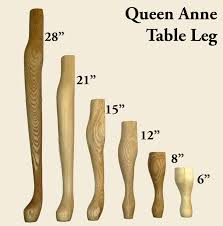

Introduction to Queen Ann Legs
Queen Ann legs are one of the most recognizable and elegant features in traditional furniture design. Known for their graceful curves and refined appearance, these legs have been a symbol of craftsmanship and timeless beauty for centuries. Whether you are looking at antique furniture or modern reproductions, Queen Ann legs instantly add a sense of sophistication and classic charm to any piece.
The term “Queen Ann legs” refers to a specific style of furniture leg that emerged during the early 18th century. These legs are typically curved outward at the top and inward toward the foot, creating a flowing, S-shaped line. This curve is often referred to as a cabriole shape, and it represents a major shift away from the straight, heavy legs used in earlier furniture styles.
Today, Queen Ann legs are widely used in tables, chairs, cabinets, and dressers. They are popular not only for their aesthetic appeal but also for their historical significance. Understanding this design helps you appreciate furniture on a deeper level, especially if you are interested in antiques, woodworking, or interior design.
Historical Background of Queen Ann Legs
The origin of Queen Ann legs dates back to the reign of Queen Anne in early 18th-century England. During this time, furniture design began to evolve from the heavy, ornate styles of the Baroque period into something more refined and elegant. The emphasis shifted toward comfort, simplicity, and graceful proportions.
Furniture makers were influenced by European trends, particularly from France and the Netherlands. These influences encouraged the use of curved lines and more natural forms. The cabriole leg became a defining feature of this era, replacing the straight legs that had dominated earlier designs. This change marked a turning point in furniture history, as it introduced a more organic and flowing aesthetic.
As the style spread, it became popular not only in England but also in colonial America. Craftsmen in America adapted the design using local materials and techniques, resulting in unique variations. Despite these differences, the core characteristics of Queen Ann legs remained consistent, making them easy to identify even today.
Key Characteristics of Queen Ann Legs
Queen Ann legs are defined by several distinctive features that set them apart from other furniture styles. The most notable characteristic is the cabriole curve, which creates a smooth and elegant silhouette. This curve gives the furniture a sense of movement and lightness, making it visually appealing from all angles.
Another important feature is the foot design. Queen Ann legs often end in decorative feet such as pad feet, trifid feet, or slipper feet. These foot styles add an extra layer of detail and craftsmanship, enhancing the overall look of the furniture. Each type of foot has its own unique shape and character, allowing for variation within the style.
The proportions of Queen Ann legs are also carefully balanced. They are typically slender and slightly tapered, which contributes to their graceful appearance. This attention to proportion ensures that the furniture looks elegant without appearing fragile. The combination of curves, decorative feet, and balanced proportions makes Queen Ann legs a true masterpiece of design.
The Cabriole Leg Explained
The cabriole leg is the defining element of Queen Anne furniture. This leg design features a double curve that resembles the shape of an animal’s leg, particularly that of a goat or deer. The upper part of the leg curves outward, while the lower part curves inward, creating a dynamic and flowing form.
This design was inspired by nature and reflects a shift toward more organic shapes in furniture. Unlike the rigid and symmetrical designs of earlier periods, the cabriole leg introduces a sense of movement and fluidity. This makes the furniture feel more approachable and comfortable, both visually and physically.
Crafting a cabriole leg requires a high level of skill and precision. Woodworkers must carefully shape the curves to ensure a smooth and balanced appearance. This process often involves carving and sanding by hand, which adds to the uniqueness of each piece. The result is a leg that is not only functional but also a work of art.
Types of Feet in Queen Anne Legs
One of the most interesting aspects of Queen Anne legs is the variety of foot designs used. These feet add personality and detail to the furniture, making each piece unique. Among the most common types are pad feet, trifid feet, and slipper feet.
Pad feet are perhaps the simplest and most widely used. They feature a rounded, flattened shape that provides stability and a clean look. This type of foot is often found on chairs and small tables, where simplicity and elegance are desired. Despite their simplicity, pad feet still contribute to the overall charm of the design.
Trifid feet are more decorative and feature a three-lobed design. These feet are often carved with intricate details, making them a focal point of the furniture. Slipper feet, on the other hand, have a subtle outward curve that resembles a shoe. Each of these foot styles adds a different character to the piece, allowing for a wide range of design possibilities.
Materials Used in Queen Anne Furniture
The choice of materials plays a crucial role in the appearance and durability of Queen Anne legs. Traditionally, craftsmen used high-quality hardwoods such as walnut, mahogany, and cherry. These woods were selected for their strength, workability, and natural beauty.
Walnut was particularly popular during the early Queen Anne period. Its rich color and fine grain made it ideal for carving and shaping intricate details. Mahogany later became the preferred choice due to its durability and resistance to warping. Cherry wood was also used, especially in American furniture, where it was readily available.
In modern furniture, a wider range of materials is used, including engineered wood and veneers. While these materials can replicate the look of traditional hardwoods, they may not offer the same level of craftsmanship or longevity. Understanding the materials used can help you make informed decisions when buying or restoring furniture.
Craftsmanship and Construction Techniques
Creating Queen Anne legs requires a combination of skill, patience, and attention to detail. The process begins with selecting the right piece of wood, ensuring it is free from defects and suitable for carving. The wood is then shaped using tools such as chisels, saws, and carving knives.
One of the most challenging aspects of the process is achieving the smooth, flowing curve of the cabriole leg. This requires precise measurements and careful shaping to maintain symmetry. Any mistakes can affect the overall balance and appearance of the furniture.
Joinery techniques are also important in the construction of Queen Anne furniture. Mortise and tenon joints are commonly used to connect the legs to the frame. These joints provide strength and stability, ensuring the furniture can withstand regular use. The combination of skilled craftsmanship and traditional techniques results in furniture that is both beautiful and durable.
Queen Anne Legs in Modern Furniture
Although Queen Anne legs originated centuries ago, they continue to be popular in modern furniture design. Many manufacturers produce pieces that incorporate this classic style, often blending it with contemporary elements. This allows homeowners to enjoy the elegance of traditional design while maintaining a modern aesthetic.
In modern interiors, Queen Anne legs are often used to add a touch of sophistication. For example, a coffee table or dining chair with these legs can serve as a focal point in a room. The curved lines create visual interest and contrast with more angular furniture.
Designers also experiment with finishes and materials to update the look. Painted finishes, distressed textures, and mixed materials are commonly used to give Queen Anne legs a fresh and contemporary feel. This versatility makes them suitable for a wide range of interior styles.
Differences Between Queen Anne and Other Styles
Queen Anne legs are often compared to other furniture styles, such as Chippendale and Victorian. While these styles share some similarities, there are key differences that set them apart. Understanding these differences can help you identify and appreciate each style.
Chippendale furniture, for example, often features more elaborate carvings and decorative elements. While it also uses cabriole legs, these legs are typically more ornate and may include claw-and-ball feet. Queen Anne legs, in contrast, are simpler and more understated.
Victorian furniture tends to be heavier and more decorative, with a focus on intricate details and embellishments. Queen Anne furniture, on the other hand, emphasizes simplicity and elegance. The clean lines and balanced proportions make it a timeless choice that remains relevant today.
Identifying Authentic Queen Anne Legs

If you are interested in antiques, knowing how to identify authentic Queen Anne legs is essential. One of the first things to look for is the quality of craftsmanship. Genuine pieces will have smooth, well-proportioned curves and finely crafted details.
The type of wood used can also provide clues. As mentioned earlier, traditional pieces are typically made from hardwoods like walnut or mahogany. Examining the grain and color can help you determine the authenticity of the piece.
Another important factor is the construction method. Antique furniture often uses traditional joinery techniques, such as mortise and tenon joints. These joints are usually visible upon close inspection and indicate a higher level of craftsmanship. By paying attention to these details, you can distinguish between genuine antiques and modern reproductions.
Caring for Furniture with Queen Anne Legs
Proper care is essential to الحفاظ the beauty and longevity of furniture with Queen Anne legs. Regular cleaning is important to prevent dust and dirt from accumulating on the surface. A soft cloth and mild cleaning solution are usually sufficient for this purpose.
Avoid placing heavy objects on furniture with slender legs, as this can cause stress and damage over time. It is also important to protect the furniture from excessive moisture and temperature changes, which can affect the wood.
Polishing the furniture occasionally can help maintain its shine and enhance the natural beauty of the wood. However, it is important to use products that are مناسب for the specific type of finish. With proper care, Queen Anne furniture can last for generations.
Restoration and Repair Techniques
Restoring furniture with Queen Anne legs requires a careful and thoughtful approach. The goal is to preserve the original character of the piece while addressing any damage or wear. This often involves cleaning, repairing joints, and refinishing the surface.
One common issue is loose joints, which can be fixed using glue and clamps. In some cases, damaged sections of the leg mayحتاج to be replaced or reinforced. This requires skill and precision to ensure the repair blends seamlessly with the original design.
Refinishing is another important aspect of restoration. This process involves removing the old finish and applying a new one to protect the wood and enhance its appearance. It is important to choose a finish that matches the original style and color. Proper restoration can bring new life to old furniture while preserving its تاریخی value.
Why Queen Anne Legs Remain Popular
The enduring popularity of Queen Anne legs can be attributed to their timeless design and versatility. Unlike trends that come and go, this style has remained relevant for centuries. Its combination of elegance, simplicity, and functionality makes it appealing to a wide audience.
Another reason for their popularity is their ability to complement مختلف interior styles. Whether you prefer traditional, modern, or eclectic decor, Queen Anne legs can fit seamlessly into your space. Their graceful curves add a touch of sophistication without overwhelming the room.
Finally, Queen Anne legs represent a high level of craftsmanship and attention to detail. In a world where mass production is common, this level of artistry is highly valued. Owning furniture with Queen Ann legs is not just about functionality; it is also about appreciating the beauty of well-crafted design.
Conclusion
Queen Anne legs are a defining feature of classic furniture design, known for their elegance and craftsmanship. From their origins in the early 18th century to their continued use in modern furniture, they have remained a symbol of timeless beauty. Understanding their history, characteristics, and construction can help you appreciate these pieces on a deeper level.
Whether you are a collector, designer, or simply someone who appreciates fine furniture, Queen Anne legs offer something special. Their graceful curves and balanced proportions make them a standout feature in any piece. With proper care and appreciation, furniture with Queen Anne legs can be enjoyed for generations.
FAQs
What are Queen Anne legs?
They are curved furniture legs with a cabriole shape that became popular in the early 18th century.
Why are Queen Anne legs curved?
The curves were inspired by natural forms and were designed to create a more elegant and fluid appearance.
What type of wood is used for Queen Anne furniture?
Traditional pieces are made from hardwoods like walnut, mahogany, and cherry.
How can I identify Queen Anne legs?
Look for the cabriole curve, decorative feet, and high-quality craftsmanship.
Are Queen Anne legs still used today?
Yes, they are widely used in both traditional and modern furniture designs.
What is a cabriole leg?
It is a double-curved leg that forms the signature shape of Queen Anne furniture.
How do I care for furniture with Queen Anne legs?
Clean regularly, avoid heavy loads, and protect from moisture and temperature changes.
Can Queen Anne furniture be restored?
Yes, with proper techniques, it can be repaired and refinished while preserving its original character.