

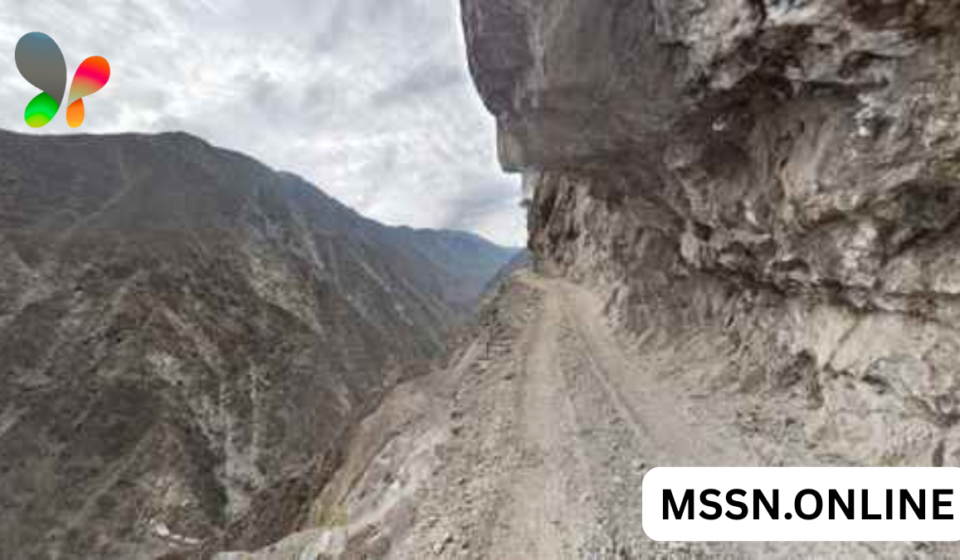

Introduction to Fairy Road
The phrase “fairy road” instantly sparks curiosity. It feels magical yet grounded, like something that belongs both in ancient folklore and in the quiet corners of modern landscapes. Whether you picture a winding woodland path glowing under moonlight or a hidden countryside lane whispered about in local legends, the idea of a fairy road carries a charm that is difficult to ignore. People have been fascinated by mysterious pathways for centuries, and fairy roads remain one of the most enchanting symbols of that fascination.
At its core, a fairy road represents more than just a physical route. It is often tied to storytelling, cultural memory, and the human desire to believe that something extraordinary exists just beyond what we can see. In many traditions, these roads were thought to be routes used by supernatural beings traveling between worlds. Villagers avoided interfering with them, sometimes even altering construction plans to ensure the paths remained unobstructed. The respect given to these invisible highways shows how deeply folklore once influenced everyday life.
Today, fairy roads continue to capture attention, though often in different ways. Travelers seek them out as scenic destinations, writers use them as metaphors for transformation, and photographers hunt for those rare landscapes that look like they belong inside a storybook. Even skeptics can appreciate the aesthetic beauty associated with these places. After all, a road lined with ancient trees, dappled sunlight, and soft moss does not need actual fairies to feel magical.
The Origins of Fairy Roads in Folklore

Fairy roads trace their roots back to early European mythology, particularly in Celtic regions such as Ireland and Scotland. Communities believed that fairies were not tiny winged creatures but powerful spiritual beings capable of influencing fortune, weather, and health. Because of this, disrupting a fairy path was considered incredibly risky. Many stories warned of misfortune befalling anyone who dared to block these sacred routes.
One famous aspect of fairy folklore involves the alignment of certain landmarks. Hills, ancient trees, ringforts, and standing stones were sometimes believed to form straight lines across the countryside. These lines were thought to guide fairy movement, especially during important seasonal transitions. While modern researchers often attribute these alignments to coincidence or ancient land planning, the legends surrounding them remain captivating.
Interestingly, belief in fairy roads was not limited to rural superstition. Historical accounts suggest that even during periods of architectural growth, builders occasionally redesigned structures rather than interfere with a suspected fairy path. Whether motivated by genuine fear or cultural respect, these decisions demonstrate the power folklore held over practical matters.
What makes these stories endure is their emotional resonance. They remind us that earlier societies viewed the natural world as alive with unseen forces. Instead of separating reality from myth, people allowed the two to coexist. Fairy roads became symbolic bridges between the human world and the mysterious unknown.
Cultural Significance Across Different Regions
Although the idea of fairy roads is strongly associated with Celtic traditions, variations appear across multiple cultures. In Scandinavian folklore, hidden paths were believed to belong to elves or nature spirits. German legends spoke of enchanted trails that travelers should never follow after dusk. Even outside Europe, stories exist of spirit roads used by ancestral beings.
The similarities between these traditions suggest a shared human instinct to explain unusual landscapes through storytelling. A strangely straight path through uneven terrain, for example, might have inspired speculation long before scientific surveying existed. Rather than dismissing the mystery, communities gave it meaning through myth.
In Ireland particularly, fairy roads still influence cultural conversations. There are modern anecdotes of construction delays caused by local objections rooted in folklore. While not everyone literally believes in fairies, many people appreciate the heritage behind these tales and prefer to honor tradition rather than challenge it.
Beyond belief, fairy roads also contribute to cultural identity. They connect present generations with ancestral imagination, offering a reminder that history is not just recorded in books but embedded in landscapes. Visiting such a place can feel like stepping into a living narrative that has been evolving for centuries.
The Psychology Behind Our Attraction to Fairy Roads
Why do fairy roads continue to fascinate us, even in an age dominated by technology and scientific reasoning? The answer lies partly in human psychology. People are naturally drawn to mystery. When something feels slightly unexplained, the brain becomes more attentive, more imaginative, and more emotionally engaged.
There is also a comforting aspect to magical thinking. Fairy roads suggest that the world still holds secrets, that not everything has been mapped or rationalized. This sense of wonder can be refreshing, especially when modern life often feels predictable and structured.
Nature plays a significant role as well. Many locations associated with fairy roads feature dense forests, curved pathways, or unusual lighting conditions. Environmental psychologists have long noted that such settings encourage reflection and creativity. Walking along a quiet, tree-lined road can shift mental states, making ordinary thoughts feel more profound.
Another factor is nostalgia. Fairy tales are often introduced during childhood, shaping how we perceive enchantment. Encountering a landscape that resembles those early stories can trigger a subtle emotional response, reconnecting us with a time when imagination felt limitless.
Famous Places Often Called Fairy Roads
Around the world, several locations have earned reputations as real-life fairy roads due to their breathtaking appearance. These places may not come with verified legends, but their visual impact alone is enough to inspire the name.
One notable example is the Dark Hedges in Northern Ireland. This avenue of intertwined beech trees creates a tunnel-like effect that feels almost theatrical. Visitors frequently describe the experience as surreal, particularly during early morning fog when the branches appear to dissolve into mist.
Another contender is certain forest routes in Bavaria, where tall pines filter sunlight into thin golden rays. During autumn, fallen leaves soften every footstep, producing an atmosphere that feels intentionally designed rather than naturally formed.
Japan also offers pathways that evoke fairy-road imagery. Bamboo forests, with their towering green stalks swaying gently in the wind, create rhythmic sounds that enhance the sensory experience. While rooted in a different cultural framework, the emotional reaction is strikingly similar.
What unites these destinations is their ability to slow people down. Travelers instinctively lower their voices, walk more carefully, and observe more deeply. It is as if the environment itself requests quiet appreciation.
Fairy Roads in Literature and Storytelling
Writers have long recognized the symbolic power of a mysterious road. In literature, a fairy road often represents transition — a movement from the ordinary into the extraordinary. Characters who step onto such paths rarely return unchanged.
Classic fantasy narratives frequently begin with a journey along an unfamiliar route. The road becomes a testing ground where heroes confront fears, discover allies, and redefine their identities. Even outside the fantasy genre, the metaphor persists. A “fairy road” might describe any life choice that leads toward transformation.
The appeal lies in its universality. Everyone faces moments when the future feels uncertain yet promising. By framing those moments as a magical path, storytellers give shape to otherwise abstract emotions.
Modern authors continue to reinterpret the concept. Some portray fairy roads as psychological landscapes rather than physical ones, suggesting that the real enchantment occurs within the traveler. Others use them to explore themes of memory, belonging, and personal growth.
Regardless of interpretation, the image remains powerful because it mirrors human experience. Life itself is a series of roads, some predictable and others wonderfully strange.
Natural Elements That Create a “Fairy Road” Atmosphere
While folklore adds depth, the physical characteristics of a road often determine whether it feels magical. One of the most important elements is canopy coverage. When branches arch overhead, they form a natural corridor that subtly separates the traveler from the outside world.
Lighting is equally influential. Soft, diffused sunlight tends to evoke calmness, while patches of shadow introduce intrigue. Photographers often chase these conditions because they create dimension without harsh contrast.
Texture also matters more than people realize. Moss, fallen leaves, cobblestones, or even damp earth can transform a simple trail into something evocative. These details engage the senses, making the environment feel immersive rather than merely scenic.
Sound completes the experience. The absence of urban noise allows smaller auditory cues — rustling leaves, distant birds, shifting branches — to become noticeable. This sensory clarity contributes to the impression that the place exists slightly outside everyday reality.
Interestingly, none of these features are inherently supernatural. Yet when combined, they produce an atmosphere that encourages imagination. The magic, in many ways, emerges from perception rather than proof.
Fairy Roads and Their Connection to Nature
One of the most compelling aspects of a fairy road is how effortlessly it blends into the natural world. Unlike highways engineered for speed and efficiency, these roads often feel as though they grew organically from the land itself. Curved rather than straight, quiet rather than busy, and surrounded by thriving ecosystems, they invite travelers to slow down and observe details that are usually overlooked. This connection to nature is not accidental; historically, many fairy roads were simply old walking routes shaped by generations who moved respectfully through the landscape rather than attempting to dominate it.
Trees are often the defining feature. Ancient oaks, beeches, or maples lining a path create a sense of permanence, suggesting that the road has existed far longer than any single human life. There is something grounding about walking beneath trees that may have witnessed centuries of change. Their roots stabilize the soil while their branches form protective arches, turning an ordinary passage into a living structure. Over time, these natural corridors develop microclimates that support moss, fungi, birds, and insects, reinforcing the sense that the road belongs to an interconnected system rather than standing apart from it.
Water elements frequently enhance the atmosphere as well. A fairy road that crosses a narrow stream or runs alongside a reflective pond gains an added layer of tranquility. The gentle movement of water creates subtle soundscapes that encourage mindfulness, almost like nature’s version of background music. These sensory qualities remind us that enchantment does not require fantasy creatures; it can emerge from ecological harmony. When people describe a path as magical, they are often responding to the balance and vitality surrounding them.
Seasonal Transformations of Fairy Roads
Fairy roads are never static. One of their greatest charms is how dramatically they change with the seasons, offering a completely different emotional experience throughout the year. In spring, these roads tend to feel hopeful. Fresh leaves unfurl in delicate shades of green, wildflowers begin to appear, and the air carries a lightness that signals renewal. Walking such a path during this time can feel like witnessing the world wake up after a long pause.
Summer brings fullness and energy. The canopy thickens, casting deeper shade that provides relief from the heat. Sunlight filters through small gaps, creating shifting patterns that dance across the ground as the day progresses. Wildlife becomes more visible, and the road feels alive with motion. For many travelers, this is when fairy roads appear most welcoming, encouraging leisurely strolls and extended exploration.
Autumn transforms these routes into vivid galleries of color. Leaves turn gold, amber, and crimson before drifting softly to the earth. Each step produces a satisfying crunch, adding a tactile dimension to the journey. There is a gentle melancholy to autumn fairy roads, a reminder that beauty often accompanies transition. Winter, by contrast, introduces stillness. Snow can smooth away imperfections, turning the road into a quiet ribbon through a muted landscape. Even without snow, bare branches reveal structural patterns that were hidden during warmer months, offering a different kind of visual poetry.
Fairy Roads as Travel Destinations
In recent years, fairy roads have gained popularity among travelers seeking experiences that feel authentic rather than commercialized. Modern tourism often revolves around crowded landmarks, but these paths provide something rarer: a chance to reconnect with simplicity. Visitors are not drawn by flashy attractions but by atmosphere, curiosity, and the promise of calm.
Many tourism boards have begun recognizing the appeal of scenic roads and forest trails, incorporating them into regional travel guides. Some routes are promoted for cycling, others for photography, and many simply for walking. What sets fairy-road destinations apart is the emotional response they inspire. People frequently describe feeling refreshed after visiting, as though the journey offered more than visual pleasure.
However, the rise in popularity also brings responsibility. Increased foot traffic can strain delicate ecosystems if not managed carefully. Sustainable tourism practices—such as staying on marked paths, avoiding litter, and respecting wildlife—are essential for preserving the qualities that make these roads special. Travelers who approach these places with mindfulness help ensure that future visitors can experience the same sense of wonder.
Another interesting trend is solo travel along fairy roads. Many individuals intentionally seek quiet routes as opportunities for reflection. Without the usual distractions, thoughts settle more naturally, and even brief walks can provide clarity. It is not uncommon for people to return home feeling mentally lighter, carrying with them the subtle but lasting benefits of time spent in restorative environments.
Photography and the Visual Magic of Fairy Roads
Few landscapes photograph as beautifully as a well-framed fairy road. The natural symmetry created by converging lines draws the viewer’s eye forward, producing images that feel immersive even on a flat screen. Professional photographers often refer to such paths as “leading lines,” a compositional technique that guides attention toward a focal point while creating depth.
Timing plays a crucial role in capturing the right shot. Early morning often delivers soft light and occasional mist, both of which enhance mood without overwhelming detail. Late afternoon provides warmer tones that can make the entire scene appear gently illuminated. Weather variations add further possibilities; a recent rainfall can deepen colors, while fog introduces an element of mystery that feels almost cinematic.
Interestingly, fairy-road photography is not limited to professionals. Smartphones have made it easier than ever for casual travelers to experiment with perspective and framing. Social media platforms are filled with images of tree-lined avenues, winding woodland trails, and leaf-covered lanes. While some worry that constant photographing might distract from genuine presence, others argue that the act of searching for beauty sharpens observation skills.
Beyond aesthetics, these photographs often carry emotional weight. Looking back at an image of a quiet road can instantly recall the sensations of that moment—the cool air, the filtered light, the sense of peaceful isolation. In this way, photography becomes less about documentation and more about memory preservation.
The Symbolism of Fairy Roads in Personal Growth
Metaphors shape how we interpret life, and the fairy road is one of the most enduring symbols of personal transformation. Imagine standing at the beginning of a quiet path without knowing exactly where it leads. That mixture of uncertainty and anticipation closely mirrors the experience of making significant life choices.
Choosing to walk such a road requires a degree of trust. You accept that the destination may not be immediately visible, yet you proceed anyway. This parallels moments when people change careers, move to unfamiliar places, or pursue long-held ambitions. The road becomes a reminder that progress often involves stepping into the unknown.
There is also value in the pace these paths encourage. Unlike fast-moving environments that prioritize productivity, fairy roads invite patience. Growth rarely happens overnight; it unfolds gradually, much like the scenery along a winding trail. Each bend reveals something new, reinforcing the idea that discovery is a process rather than a single event.
Many people report gaining unexpected insights during quiet walks. Without constant stimulation, the mind has space to wander productively. Problems feel more manageable, creative ideas surface, and emotional tension can soften. While the road itself does not cause these realizations, it provides conditions that make them more likely.
Communities and the Preservation of Enchanted Paths
Local communities often play a crucial role in protecting roads that hold cultural or environmental significance. In some areas, residents advocate strongly against developments that could disrupt historic pathways or damage surrounding habitats. Their efforts reflect an understanding that once such places are altered, their unique character can be difficult—if not impossible—to restore.
Preservation sometimes involves formal recognition. Heritage designations, conservation programs, and protected parklands all help safeguard scenic routes from excessive modification. These measures ensure that modernization does not erase landscapes that contribute to collective memory.
Community storytelling is equally important. Legends, anecdotes, and even lighthearted myths keep the spirit of fairy roads alive. Whether people literally believe the tales matters less than the continuity they provide. Stories connect generations, allowing children to inherit a sense of wonder that might otherwise fade in an increasingly digital world.
Volunteer initiatives also make a difference. Trail maintenance, tree planting, and cleanup events demonstrate how shared responsibility can sustain natural beauty. When individuals invest time and care into a place, they deepen their relationship with it. The road becomes more than scenery; it becomes part of a shared legacy.
Creating Your Own Fairy Road Experience
Not everyone lives near a famous scenic route, but the essence of a fairy road can often be found closer than expected. Sometimes it is a quiet park trail, a riverside walkway, or even a seldom-used country lane. The key is less about the location and more about the mindset you bring to it.
Start by choosing a time when interruptions are unlikely. Early mornings and weekday afternoons tend to be quieter, allowing you to engage more fully with your surroundings. Leave behind unnecessary distractions whenever possible. Even a short walk can feel transformative when attention is undivided.
Move slowly and intentionally. Notice how the light shifts, how the air smells, and how the ground feels beneath your steps. These observations anchor you in the present moment, turning a simple outing into something restorative. If you feel inclined, pause occasionally rather than rushing forward. Stillness often reveals details that movement conceals.
You might also consider returning to the same path across different seasons. Watching a familiar road evolve fosters a sense of continuity that can be surprisingly comforting. Over time, the route may begin to feel personal, almost like an old friend waiting patiently for your next visit.
Modern Interpretations of the Fairy Road Concept
As society evolves, so does the meaning of traditional symbols. Today, the idea of a fairy road extends beyond physical landscapes into digital and creative spaces. Artists use the concept to explore themes of transition, designers incorporate it into immersive installations, and wellness practitioners reference it when discussing mindful living.
Urban planners have even drawn inspiration from the fairy-road aesthetic when designing green corridors within cities. Tree-lined pedestrian routes, traffic-free pathways, and thoughtfully landscaped parks aim to recreate that sense of gentle separation from everyday noise. While these environments may lack centuries-old folklore, they still fulfill a similar emotional function.
The concept has also found relevance in discussions about mental health. Professionals increasingly emphasize the importance of environments that encourage calm and reflection. A quiet path—even a metaphorical one—can symbolize the deliberate act of stepping away from stress to regain perspective.
Technology, interestingly, has not diminished our attraction to such ideas. If anything, the faster life becomes, the more people crave spaces that feel timeless. Fairy roads remind us that progress does not have to eliminate wonder; the two can coexist when balance is prioritized.
Why the Idea of Fairy Roads Endures
Trends come and go, yet some images remain permanently woven into human imagination. The fairy road is one of them because it speaks to universal desires: curiosity, exploration, and the hope that something beautiful lies ahead. It reassures us that mystery still has a place in a world increasingly defined by certainty.
Part of its endurance comes from adaptability. For some, it is a literal woodland path; for others, it is a metaphor for courage. It can represent adventure, healing, nostalgia, or creative awakening depending on the context. Few symbols are flexible enough to carry so many interpretations without losing their essence.
There is also a quiet optimism embedded in the image. A road implies movement, and movement implies possibility. Even when the destination is unclear, the very act of traveling suggests that change is within reach. This message resonates across cultures and generations.
Ultimately, fairy roads persist because they invite participation. You do not need specialized knowledge to appreciate one—only a willingness to notice and imagine. Whether encountered in a distant countryside or discovered unexpectedly near home, these paths encourage us to look closer at the world and, perhaps, at ourselves.
Fairy Roads and the Human Need for Wonder
In a world where efficiency often takes priority over experience, fairy roads remind us that wonder is still an essential part of being human. People may rely on technology for navigation, communication, and knowledge, yet the emotional craving for mystery has never disappeared. When someone steps onto a quiet, tree-lined road that seems to stretch endlessly forward, something shifts internally. The mind relaxes, expectations soften, and curiosity naturally takes over. It is not about believing in literal fairies; it is about allowing space for imagination in a life that can otherwise feel overly structured.
This need for wonder is deeply rooted in psychology. Humans are storytelling beings, constantly interpreting surroundings through meaning rather than raw observation. A road becomes more than soil or stone when it invites interpretation. Perhaps it leads somewhere important, perhaps it holds memories, or perhaps it simply offers a break from routine. Fairy roads provide the perfect canvas for these interpretations because they are open-ended. Unlike destinations with fixed purposes, they encourage exploration without demanding a particular outcome.
Children often grasp this instinctively. Give a child a quiet path through the woods, and they will likely invent narratives within minutes. Adults, conditioned by responsibilities, sometimes forget how natural this imaginative response once felt. Yet the capacity never truly disappears; it only becomes dormant. Walking a fairy road can awaken that dormant perspective, reminding us that wonder is not childish but deeply restorative. In many ways, maintaining a sense of enchantment is less about escaping reality and more about engaging with it fully.
The Quiet Influence of Fairy Roads on Creativity
Creativity thrives in environments that allow the mind to wander, and fairy roads offer exactly that. Without the constant interruption of notifications, traffic noise, or crowded spaces, thoughts begin to flow differently. Writers have long spoken about the value of walking as part of their creative process, noting how movement helps untangle complex ideas. A peaceful road provides both physical rhythm and mental openness, creating conditions where imagination can expand.
Artists frequently describe inspiration arriving unexpectedly during solitary walks. A pattern of light across leaves might spark a painting concept, while the layered sounds of nature could influence musical composition. Even professionals in analytical fields report moments of clarity after time spent in calm outdoor settings. The connection is not accidental; research suggests that exposure to natural environments supports cognitive flexibility, which is essential for creative thinking.
Fairy roads also encourage a balance between focus and daydreaming. When the path is easy to follow, the brain does not need to concentrate heavily on navigation. This frees mental energy for reflection and association. Ideas that once seemed unrelated begin to connect, sometimes leading to breakthroughs that would have felt impossible in a busier environment. Creativity, after all, rarely emerges from pressure alone; it often requires spaciousness, and these roads provide exactly that.
Walking as a Mindful Practice on Fairy Roads
Mindfulness is often associated with meditation rooms and guided breathing exercises, but it can be practiced just as effectively while walking. A fairy road naturally lends itself to this approach because it reduces sensory overload while offering gentle points of attention. The crunch of gravel, the sway of branches, and the subtle shifts in temperature all anchor awareness in the present moment.
Walking mindfully does not mean moving slowly for the sake of it; rather, it involves noticing without rushing. Each step becomes deliberate, and distractions gradually lose their grip. People who adopt this habit frequently report lower stress levels and improved emotional balance. The road becomes less about reaching the end and more about inhabiting the experience fully.
Another benefit of mindful walking is emotional processing. Thoughts that feel overwhelming indoors often become more manageable outdoors. There is something about forward motion that mirrors psychological progress. Concerns may not vanish instantly, but they tend to loosen, making room for perspective. Over time, returning to the same path can create a comforting ritual, a dependable space where the mind knows it can settle.
Importantly, this practice does not require perfection. Some walks will feel profound, others ordinary, yet both have value. What matters is the willingness to show up, step onto the road, and allow whatever arises to unfold naturally.
Fairy Roads as Symbols of Life’s Turning Points
Life rarely moves in straight lines. More often, it curves unexpectedly, presenting choices that reshape our direction. Fairy roads capture this reality beautifully. Their bends prevent us from seeing too far ahead, mirroring the uncertainty that accompanies major decisions. Yet instead of provoking fear, the image of a winding path often feels inviting. It suggests that discovery lies just beyond the next turn.
Consider how many pivotal moments begin with a metaphorical step onto unfamiliar ground: starting a new career, forming meaningful relationships, relocating to a different place, or pursuing a passion that once felt impractical. At first, these decisions can resemble entering a forest without a map. Over time, however, what seemed intimidating often becomes transformative. The road teaches adaptability, resilience, and trust.
There is also reassurance in recognizing that no one walks such paths perfectly. Detours happen, pauses become necessary, and occasionally we retrace our steps. None of this negates progress. If anything, it enriches the journey by adding layers of experience. Fairy roads remind us that growth is not about constant forward motion but about remaining open to what each stage reveals.
When viewed this way, the symbolism becomes empowering rather than whimsical. The road does not promise ease; it promises possibility. That distinction matters, because meaningful change rarely arrives without some degree of challenge.
Protecting the Atmosphere of Fairy Roads in a Fast-Paced World
As societies expand, preserving spaces that evoke calm becomes increasingly important. Urban development, while necessary, can unintentionally erase landscapes that once offered refuge from constant stimulation. Protecting fairy-road environments is therefore not just about conservation; it is about safeguarding psychological well-being.
Thoughtful planning plays a major role here. Incorporating green corridors, limiting excessive lighting, and maintaining pedestrian-friendly routes all help retain the quiet character that defines these spaces. Even small measures, such as planting native trees or reducing traffic near scenic paths, can significantly influence how a place feels. The goal is not to freeze landscapes in time but to guide growth in ways that respect existing beauty.
Public awareness is equally essential. When people understand the value of tranquil environments, they are more likely to support initiatives that protect them. Educational programs, community walks, and local storytelling events can foster appreciation across generations. Once individuals form emotional connections with a place, preservation becomes a shared priority rather than an abstract concept.
Technology can assist rather than hinder this effort. Digital mapping tools, for example, can help distribute visitor flow so that no single path becomes overwhelmed. The key lies in using innovation thoughtfully, ensuring that convenience does not overshadow atmosphere.
The Emotional Afterglow of Walking a Fairy Road
Long after a walk ends, its emotional effects often linger. Many people notice a subtle clarity in their thoughts, as though mental clutter has been gently rearranged. This afterglow is not dramatic, yet it is deeply valuable. It reflects the nervous system shifting from a state of constant alertness toward one of balance.
Memories formed in such environments also tend to remain vivid. Perhaps it was the way sunlight filtered through branches or the unexpected stillness that seemed to pause time. These details embed themselves quietly, resurfacing later during stressful moments as reminders that calm is always accessible somewhere. In this sense, a single walk can become a psychological resource.
There is also a strengthening of perspective. Challenges that once felt overwhelming may appear more proportionate after time spent outdoors. The vastness of nature gently contextualizes personal concerns without dismissing them. This shift does not solve problems outright, but it equips us to approach them with steadier minds.
Interestingly, the afterglow often inspires repetition. People return to the same road not because it changes dramatically each time, but because it consistently offers renewal. Familiarity deepens appreciation, turning the path into a reliable companion through different phases of life.
Fairy Roads in the Future: Blending Tradition with Modern Living
Looking ahead, the concept of fairy roads is likely to evolve rather than fade. As awareness grows around mental health, sustainability, and balanced lifestyles, environments that encourage reflection will become increasingly valued. Designers and planners are already exploring ways to integrate natural pathways into residential areas, ensuring that moments of quiet remain accessible even within bustling regions.
Educational institutions may also play a role by incorporating outdoor learning spaces connected through scenic routes. Imagine students discussing ideas while walking beneath trees rather than remaining confined to traditional classrooms. Such approaches recognize that intellectual engagement often benefits from movement and fresh air.
On a cultural level, fairy roads will probably continue appearing in literature, film, and visual arts as symbols of transition and hope. Their imagery is timeless precisely because it adapts to changing contexts without losing emotional resonance. Whether depicted in a historical drama or a futuristic narrative, the underlying message remains the same: meaningful journeys begin with a single step.
Ultimately, the future of fairy roads depends on collective intention. If societies prioritize not only productivity but also presence, these paths will endure as gentle counterbalances to speed. They will remind future generations that progress does not require abandoning enchantment.
Conclusion: Stepping Onto the Road With Open Eyes
A fairy road is far more than a picturesque route; it is an invitation to experience the world with heightened awareness. It teaches that beauty often reveals itself gradually, rewarding those willing to move at a thoughtful pace. In a culture that frequently celebrates urgency, choosing to slow down can feel almost radical, yet it is precisely this shift that allows deeper appreciation to emerge.
What makes these roads truly remarkable is their accessibility. One does not need to travel across continents to encounter them. Sometimes they appear in overlooked corners — a shaded trail in a neighborhood park, a quiet lane beyond a familiar field, or a pathway discovered by accident. The magic lies less in geography and more in perception. When we approach the world attentively, ordinary places gain extraordinary depth.
There is also a gentle lesson embedded in every winding stretch: uncertainty is not something to fear but something to explore. Each curve represents the unknown, yet it also carries the promise of discovery. By embracing that promise, we cultivate resilience and curiosity, qualities that enrich every aspect of life.
So the next time you find yourself near a quiet path, consider taking it without rushing. Notice the textures, listen to the subtle sounds, and allow your thoughts to settle into the rhythm of your steps. You may not encounter mythical beings, but you will likely rediscover something equally valuable — the capacity for wonder that has been yours all along. Fairy roads endure not because they belong to legend, but because they reflect a truth we continually return to: the journey itself is where transformation begins.
FAQs
What is a fairy road?
A fairy road is typically a scenic or folklore-inspired pathway associated with mystery, imagination, and natural beauty.
Are fairy roads real places or just myths?
They can be both, as some are physical scenic paths while others exist mainly in cultural stories and symbolism.
Why do people feel calm walking on fairy roads?
The natural surroundings, quiet atmosphere, and slower pace help reduce stress and encourage mindfulness.
Do fairy roads have historical significance?
Yes, many are connected to old travel routes, local legends, and traditions passed through generations.
Can fairy roads inspire creativity?
Absolutely, peaceful environments often allow the mind to wander, which supports creative thinking.
Are fairy roads found only in rural areas?
While common in the countryside, similar experiences can exist in parks, forests, and green urban pathways.
What is the symbolic meaning of a fairy road?
It often represents life’s journey, personal growth, and the courage to explore the unknown.
How can I experience a fairy road near me?
Look for quiet nature trails or tree-lined paths and explore them with a mindful, unhurried approach.