

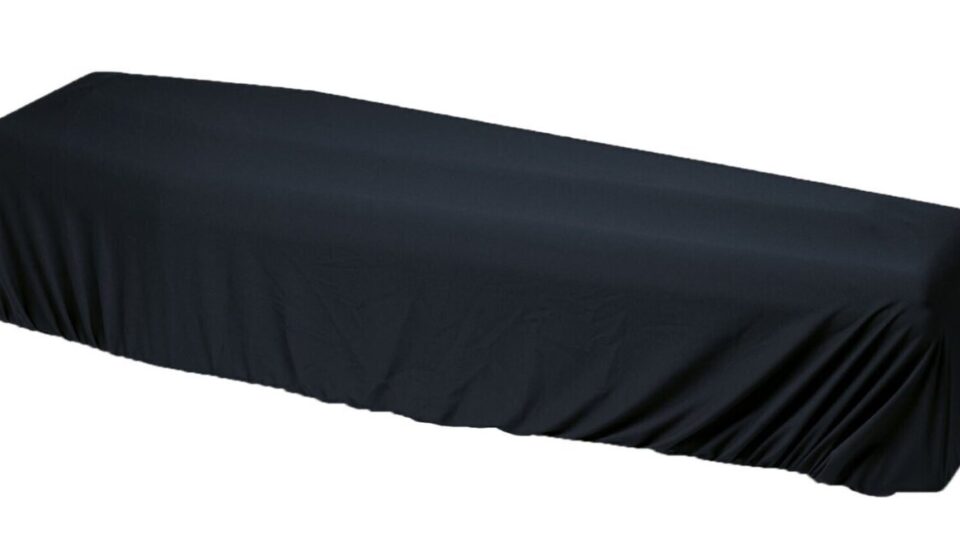
Cover for Coffin: A Complete Guide to Meaning, Types, Materials, and Cultural Significance

Introduction to Cover for Coffin
A cover for a coffin is more than just a physical layer placed over a casket. It carries deep emotional, cultural, and symbolic meaning. Across the world, people use different types of coffin covers to show respect, love, and remembrance for the deceased. Whether it is a simple cloth, a decorative lid, or an elaborate drape, the purpose remains the same—to honor the life that has passed and provide a dignified farewell.
In modern times, coffin covers have evolved in both design and purpose. While traditional covers were often simple and made from basic materials, today they can be highly personalized. Families may choose colors, fabrics, or symbols that reflect the personality or beliefs of the deceased. This personal touch helps create a meaningful and memorable farewell experience.
Understanding the importance of a cover for a coffin can help families make better decisions during difficult times. It is not just about appearance but also about tradition, respect, and emotional comfort. This guide will explore everything you need to know about coffin covers, including their types, materials, uses, and cultural significance.
Historical Background of Coffin Covers

The use of coffin covers dates back thousands of years. In ancient civilizations, burial practices often included covering the deceased with special materials to protect them in the afterlife. Egyptians, for example, used elaborate sarcophagi and coverings that were richly decorated with gold and hieroglyphics. These coverings symbolized the journey of the soul beyond death.
In medieval Europe, coffin covers were often made of cloth or wood and were used mainly for practical purposes. However, they also carried religious symbolism. Christian burials frequently included a pall, a cloth placed over the coffin, which represented humility and equality before God. This tradition is still followed in many churches today.
Over time, coffin covers became more decorative and personalized. In the Victorian era, for example, funeral practices became more elaborate, and coffin covers often featured intricate designs, embroidery, and luxurious fabrics. This evolution reflects the changing attitudes toward death and remembrance, highlighting the importance of honoring loved ones in meaningful ways.
Types of Cover for Coffin
There are several types of coffin covers available today, each serving a different purpose and style. One of the most common types is the coffin lid, which is a solid cover attached to the casket. It can be fully closed or partially open during viewings, depending on cultural or personal preferences.
Another popular type is the funeral pall. This is a decorative cloth placed over the coffin during the funeral service. It is often used in religious ceremonies and can be simple or highly ornate. The pall is usually removed before burial or cremation, making it a temporary yet meaningful cover.
Custom coffin drapes are also widely used. These covers are designed to reflect the personality or interests of the deceased. For example, a military funeral may include a national flag as a coffin cover, while a sports enthusiast might have a drape featuring their favorite team colors. These personalized covers add a unique and emotional touch to the farewell.
Materials Used in Coffin Covers
Coffin covers can be made from a wide range of materials, depending on their purpose and style. Wood is one of the most common materials used for coffin lids. It provides durability and a classic appearance, making it a popular choice for traditional burials.
Fabric is another widely used material, especially for palls and drapes. Common fabrics include velvet, satin, and cotton. These materials offer a soft and elegant look, making them suitable for ceremonial use. They can also be easily customized with embroidery or printed designs.
Metal covers are less common but are sometimes used in modern coffin designs. Materials like stainless steel or bronze provide a sleek and contemporary look. These covers are often chosen for their durability and resistance to environmental factors, especially in above-ground burials or mausoleums.
Cultural and Religious Significance
The cover for a coffin holds deep cultural and religious significance in many societies. In Christianity, the use of a pall symbolizes equality in death. Regardless of wealth or status, everyone is covered in the same way, emphasizing humility and unity.
In Islamic traditions, the body is typically wrapped in a simple shroud rather than placed in an elaborate coffin. However, when coffins are used, they are often covered with plain cloths, reflecting modesty and respect. The simplicity of the cover aligns with the belief in equality and the temporary nature of life.
In other cultures, coffin covers can be highly symbolic. For example, in some Asian traditions, specific colors are used to represent mourning or celebration of life. White may symbolize purity and peace, while other colors may reflect the age or status of the deceased. These cultural variations highlight the importance of choosing a cover that aligns with personal and religious beliefs.
Personalization of Coffin Covers
Personalization has become a significant trend in modern funeral practices. Families now have the option to customize coffin covers to reflect the life and personality of their loved ones. This can include adding names, dates, or meaningful quotes to the cover.
Photos and images can also be incorporated into coffin covers. For example, a drape may feature a collage of memorable moments or a favorite landscape. This adds a deeply personal touch and helps celebrate the life of the deceased in a unique way.
Color choices play a crucial role in personalization. While traditional colors like black, white, or purple are still common, many families now choose brighter colors that reflect the personality of the deceased. This shift shows a growing focus on celebrating life rather than only mourning death.
Practical Considerations When Choosing a Cover
When selecting a cover for a coffin, several practical factors need to be considered. One of the most important is the type of funeral service. For example, a religious ceremony may require a specific type of cover, such as a pall, while a secular service may allow more flexibility.
Budget is another key factor. Coffin covers can range from simple and affordable options to highly customized and expensive designs. It is important to choose a cover that fits within your budget while still meeting your emotional and cultural needs.
Durability and material quality should also be taken into account. If the cover is intended to remain with the coffin during burial, it should be made from materials that can withstand environmental conditions. On the other hand, temporary covers like palls can be made from lighter fabrics.
Environmental Impact of Coffin Covers
As environmental awareness grows, many people are considering the ecological impact of funeral practices, including coffin covers. Traditional materials like metal and synthetic fabrics may not be environmentally friendly, as they can take a long time to decompose.
Eco-friendly alternatives are becoming more popular. These include covers made from natural fibers like cotton, linen, or bamboo. These materials are biodegradable and have a lower environmental impact, making them a sustainable choice.
Some families also choose reusable coffin covers, especially for ceremonial purposes. For example, a church may use the same pall for multiple funerals. This reduces waste and aligns with environmentally conscious values while still maintaining dignity and respect.
Role of Coffin Covers in Modern Funerals
In modern funerals, coffin covers play both a practical and symbolic role. They help create a respectful and dignified appearance for the coffin, making it suitable for public viewing and ceremonies. At the same time, they serve as a visual representation of the deceased’s life and beliefs.
Funeral directors often guide families in choosing the right cover. They consider factors such as cultural traditions, personal preferences, and the overall theme of the funeral. This ensures that the cover complements the service and adds to its emotional impact.
Coffin covers also play a role in helping families cope with grief. A well-chosen cover can provide comfort and a sense of closure. It allows loved ones to express their feelings and pay tribute in a meaningful way, making the farewell more personal and heartfelt.
Differences Between Coffin Covers and Casket Accessories
It is important to understand the difference between coffin covers and other casket accessories. While covers are placed over or on top of the coffin, accessories are usually attached to or placed inside the casket. These can include items like handles, linings, and decorative elements.
Coffin covers are primarily visible during the funeral service, making them an important visual element. In contrast, many accessories are not visible to the public and serve more functional or personal purposes.
Understanding this distinction can help families make better decisions when planning a funeral. It ensures that each element serves its intended purpose and contributes to a meaningful and respectful farewell.
Future Trends in Coffin Covers
The future of coffin covers is likely to be shaped by changing attitudes toward death and remembrance. Personalization and sustainability are expected to remain key trends. As people seek more meaningful and eco-friendly options, the demand for customized and biodegradable covers will continue to grow.
Technology may also play a role in the evolution of coffin covers. For example, digital printing techniques can be used to create highly detailed and personalized designs. This allows families to create unique covers that truly reflect the life of the deceased.
Another emerging trend is the use of themed funerals. In such cases, coffin covers are designed to match a specific theme, such as a hobby, profession, or favorite place. This approach transforms the funeral into a celebration of life, making the experience more positive and memorable.
Conclusion
A cover for a coffin is an essential part of funeral practices, combining practicality with deep emotional and cultural significance. From simple cloths to elaborate custom designs, coffin covers offer a way to honor and remember loved ones in a meaningful way.
As traditions continue to evolve, the importance of personalization and sustainability is becoming more evident. Families now have more choices than ever, allowing them to create a farewell that truly reflects the life and values of the deceased.
By understanding the different types, materials, and cultural meanings of coffin covers, you can make informed decisions during a difficult time. This knowledge helps ensure that the final farewell is respectful, dignified, and deeply personal.
FAQs
What is a cover for a coffin called? It is commonly called a pall, lid, or coffin drape depending on its type.
Can coffin covers be customized? Yes, they can be personalized with colors, designs, names, and images.
Are coffin covers necessary? They are not always required but are widely used for respect and presentation.
What material is best for a coffin cover? It depends on use, but fabric and wood are the most common choices.
Do coffin covers have religious importance? Yes, many religions use them as symbols of respect and equality.
Are eco-friendly coffin covers available? Yes, biodegradable materials like cotton and bamboo are popular options.
Can a coffin cover be reused? Some types like palls are reusable, especially in religious settings.
What color is usually used for coffin covers? Traditional colors include black, white, and purple, but any color can be chosen.
Also read:Blackburn Constituency: A Complete Expert Guide to Its History, Politics, and Influence