


Introduction to Busby in East Renfrewshire
Busby East Renfrewshire is one of those places that quietly earns your respect the more you learn about it. At first glance, it feels like a peaceful Scottish village with tree-lined streets and a steady rhythm of everyday life. But once you start digging into its past, its community spirit, and its modern development, you quickly realize there is much more going on beneath the surface. This is a village that has adapted, evolved, and matured without losing its identity.
Located just south of Glasgow, Busby benefits from proximity to a major city while maintaining a distinct character of its own. It strikes a balance that many communities struggle to achieve: accessible but not overwhelmed, connected but not crowded. That balance has played a major role in shaping both its historical path and its present-day appeal.
For anyone interested in Scottish village life, local governance, suburban development, or simply understanding how small communities thrive in the shadow of larger cities, Busby East Renfrewshire offers a compelling case study. Its story reflects industrial ambition, social transformation, and modern regeneration, all layered into one relatively compact geographical space.
Historical Roots and Early Development
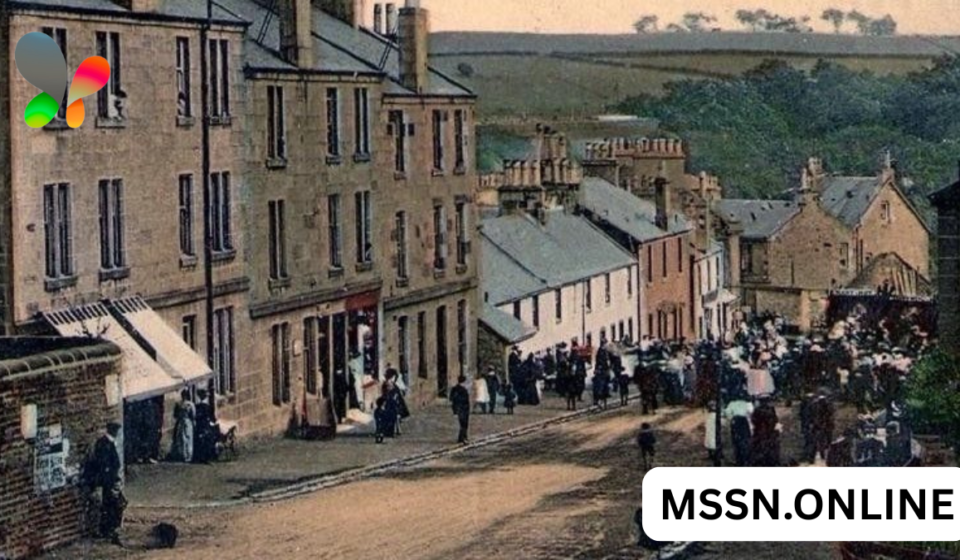
The early history of Busby East Renfrewshire is closely tied to Scotland’s industrial expansion. Like many villages across the west of Scotland, Busby grew around water-powered industries. The nearby White Cart Water provided the energy necessary to support mills and manufacturing operations. In the eighteenth and nineteenth centuries, this access to water power was not just an advantage; it was essential.
Textile mills became a defining feature of Busby’s development. The presence of these mills attracted workers, which in turn led to the growth of housing and community infrastructure. Small clusters of cottages and worker residences gradually transformed into a more structured village environment. This pattern was typical of industrial Scotland, but Busby’s scale allowed it to retain a sense of cohesion rather than becoming an overcrowded industrial hub.
Over time, as industrial processes modernized and centralized elsewhere, Busby transitioned away from its heavy reliance on local mills. Instead of declining entirely, the village adjusted. Its proximity to Glasgow allowed it to evolve into a commuter settlement. This shift marked a new chapter in Busby East Renfrewshire’s story, turning it from an industrial village into a residential community with deep historical roots.
Geography and Natural Surroundings
One of the defining features of Busby East Renfrewshire is its setting. The landscape is gently rolling, with greenery integrated into both public and private spaces. The White Cart Water continues to shape the local geography, offering scenic views and natural corridors that enhance the village’s appeal. Rather than feeling boxed in, Busby feels open and breathable.
The surrounding countryside plays an important role in daily life. Walking routes, quiet roads, and patches of woodland create opportunities for outdoor activity. Residents often speak of the ease with which they can move from suburban streets into peaceful natural settings. This immediate access to green space is one of the reasons Busby remains attractive to families and retirees alike.
Importantly, the geography has also influenced development patterns. The village has expanded cautiously, respecting both the natural contours of the land and the existing built environment. This controlled approach to growth has prevented the kind of sprawling urbanization seen in some commuter settlements. Instead, Busby East Renfrewshire has grown with a degree of restraint and planning discipline.
Architecture and Residential Character
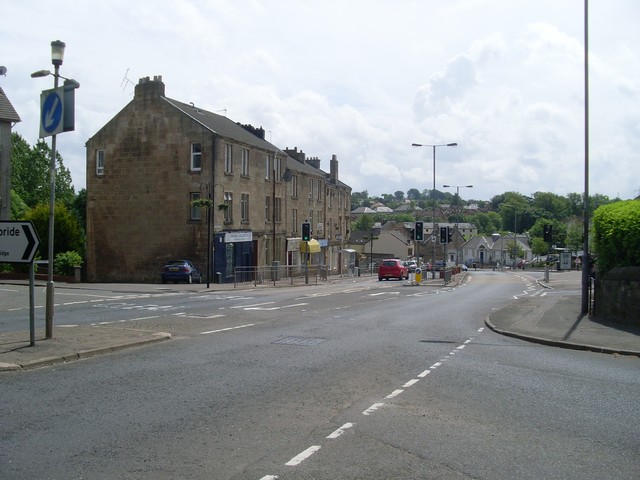
Architecturally, Busby East Renfrewshire reflects its layered history. Older stone buildings from the industrial era sit alongside twentieth-century housing and more contemporary developments. The traditional sandstone structures lend the village a distinctly Scottish identity, rooted in local materials and craftsmanship.
Many of the older properties were originally built to house mill workers and their families. These homes, though modest in scale, were constructed with durability in mind. Over time, renovations and extensions have modernized interiors while preserving exterior character. This blend of heritage and practicality gives Busby’s residential streets a visually cohesive appearance.
Newer housing developments have been introduced carefully. Planners have generally avoided stark contrasts in scale or design, choosing instead to complement the existing architectural language. As a result, Busby East Renfrewshire maintains a consistent residential atmosphere. It feels neither overly historic nor aggressively modern, but comfortably somewhere in between.
Community Life and Social Fabric
Community life in Busby East Renfrewshire is built on familiarity and continuity. In smaller villages, social networks often overlap across schools, local events, and neighborhood associations. Busby is no exception. Residents tend to know one another, and community initiatives frequently draw broad participation.
Local clubs, sports groups, and volunteer organizations contribute to this sense of cohesion. These groups are not merely recreational; they serve as social anchors. Through them, generations connect, traditions are maintained, and newcomers integrate into village life. This integration process is crucial in commuter communities, where residents might otherwise feel detached.
The social fabric of Busby is strengthened by its manageable scale. Because the village is not overly large, individuals have greater opportunities to contribute meaningfully. Whether through local governance meetings or grassroots activities, residents often feel their voices carry weight. That perception reinforces civic engagement and long-term commitment to the area.
Education and Family Appeal
Busby East Renfrewshire benefits from being part of a council area widely recognized for its educational standards. Schools serving the village are often cited as a key reason families choose to settle here. While educational quality depends on many factors, the overall reputation of East Renfrewshire for strong academic performance enhances Busby’s appeal.
Primary education within or near the village ensures young children can attend school close to home. Secondary schooling options within the broader council area further reinforce the sense that families can remain in Busby long-term without sacrificing educational opportunities. This continuity is important in building stable communities.
Beyond academics, extracurricular activities and youth engagement also contribute to family life. Access to sports facilities, music programs, and community events supports well-rounded development. Busby East Renfrewshire thus positions itself as not just a place to live, but a place to grow.
Transport Links and Connectivity
One of Busby’s most practical advantages is its transport connectivity. The village railway station provides regular services into Glasgow, making commuting relatively straightforward. This rail connection has historically been a lifeline, first for industrial distribution and later for residential commuting.
Road access further strengthens connectivity. Residents can reach major routes without navigating dense urban congestion. This accessibility supports both daily commuting and weekend travel. It also allows Busby East Renfrewshire to function as part of a larger regional network while retaining its distinct village atmosphere.
Importantly, connectivity has shaped property demand. Easy access to Glasgow means residents can work in the city while enjoying a quieter home environment. That balance is increasingly valued in modern living patterns, particularly as flexible working arrangements become more common.
Economic Landscape and Employment Patterns
Today, Busby East Renfrewshire is primarily residential, but its economic life is far from stagnant. Many residents commute to Glasgow or other nearby employment centers. This outward economic flow is typical of commuter villages, yet it does not diminish local vitality.
Small businesses and local services operate within and around the village. Cafés, shops, and professional services provide day-to-day convenience. While Busby does not aim to be a commercial hub, it sustains enough local enterprise to maintain vibrancy.
The economic resilience of Busby lies in its adaptability. By shifting from industrial manufacturing to residential and service-oriented roles, the village avoided the severe decline experienced by some former mill communities. Its integration into the broader East Renfrewshire economy has ensured stability.
Governance and Local Administration
As part of East Renfrewshire, Busby falls under the jurisdiction of a council known for structured planning and service provision. Local governance decisions influence housing development, schooling, infrastructure maintenance, and community services. The effectiveness of this governance framework directly impacts residents’ quality of life.
Community input often shapes council decisions. Public consultations and planning processes provide avenues for residents to express concerns or support for proposed developments. In smaller communities like Busby, this participation can have tangible effects.
Administrative stability also supports long-term planning. Rather than reacting to short-term pressures, governance in Busby East Renfrewshire tends to follow broader strategic objectives for sustainable growth. This approach has helped preserve the village’s character while accommodating necessary expansion.
Property Market and Residential Trends
The property market in Busby East Renfrewshire reflects its desirability. Homes here are often sought after by families and professionals looking for proximity to Glasgow without sacrificing village atmosphere. Demand can lead to competitive pricing, particularly for well-maintained period properties.
Housing stock diversity contributes to market strength. From traditional sandstone homes to modern family houses, Busby offers options for various budgets and preferences. This range broadens its appeal across age groups.
Over time, careful development policies have prevented oversaturation. Instead of rapid, high-density construction, growth has been measured. This moderation protects long-term property values and maintains the overall aesthetic integrity of the area.
Cultural Identity and Local Traditions
Although Busby East Renfrewshire does not host large-scale festivals on the scale of major cities, it maintains a quiet cultural continuity. Seasonal events, school gatherings, and community celebrations reinforce shared identity.
Local history societies and informal storytelling traditions keep the memory of the industrial era alive. This awareness of the past adds depth to daily life. Residents are not merely occupying space; they are participating in an ongoing narrative.
Cultural identity in Busby is subtle rather than theatrical. It emerges in neighborly interaction, preservation of historical buildings, and pride in local schools and amenities. That understated confidence defines much of its character.
Modern Challenges and Future Outlook
Like many semi-rural communities, Busby East Renfrewshire faces modern challenges. Balancing development with preservation remains a central issue. Housing demand must be managed carefully to avoid overwhelming infrastructure or altering village character.
Environmental considerations are increasingly significant. Flood management near the White Cart Water, sustainable building practices, and green transport initiatives require coordinated planning. Addressing these challenges proactively will shape Busby’s future resilience.
Looking ahead, Busby appears well positioned. Its strong educational framework, transport links, and community cohesion provide a stable foundation. If growth continues to be managed responsibly, the village can retain its identity while adapting to changing economic and social landscapes.
Why Busby East Renfrewshire Stands Out
What ultimately distinguishes Busby East Renfrewshire is not a single landmark or dramatic event, but the harmony of its elements. Geography, history, community spirit, and modern planning converge to create a village that feels complete.
It offers the calm of countryside living without isolation. It provides access to urban opportunity without surrendering intimacy. Its historical layers are visible but not oppressive, contributing character rather than constraint.
For those seeking a thoughtful example of how small communities evolve without losing themselves, Busby East Renfrewshire offers valuable insight. It is a reminder that growth does not have to erase identity, and that careful stewardship can sustain both heritage and progress.
FAQs
Where is Busby East Renfrewshire located?
It is a village in East Renfrewshire, just south of Glasgow in Scotland.
What is Busby known for historically?
It developed around textile mills powered by the White Cart Water.
Is Busby a good place for families?
Yes, it is popular with families due to strong schools and a safe community environment.
Does Busby have good transport links?
Yes, it has a railway station with regular services to Glasgow and accessible road connections.
Is Busby mainly residential today?
Yes, it functions primarily as a residential commuter village within East Renfrewshire.
Also read: Danish Warmblood Horse: The Complete Expert Guide to Denmark’s Elite Sport Horse