

Abrasion Cavity: A Complete Expert Guide to Causes, Prevention, Treatment, and Long-Term Dental Health

Introduction to Abrasion Cavity
An abrasion cavity is one of the most overlooked dental conditions, yet it affects millions of people worldwide. Unlike traditional cavities caused by bacteria and tooth decay, abrasion cavities develop due to mechanical wear on the tooth surface. This means the damage is typically the result of external forces rather than internal disease. Understanding this distinction is important because the prevention strategies and treatments differ significantly from those used for regular cavities.
Most people assume that brushing harder leads to cleaner teeth. Unfortunately, this is one of the biggest myths in dental care. Over time, aggressive brushing, improper tools, and harmful habits can gradually erode the protective enamel layer of your teeth. Once enamel is worn away, the softer dentin underneath becomes exposed, making the tooth vulnerable to sensitivity, structural damage, and eventually cavity formation.
What makes abrasion cavities particularly concerning is how silently they develop. Many individuals do not notice the early signs until discomfort begins. By then, visible grooves or notches may have already formed near the gumline. The good news is that abrasion cavities are largely preventable with the right knowledge and habits. In this comprehensive guide, we will explore everything you need to know—from causes and symptoms to treatment and professional care—so you can protect your smile for years to come.
What Exactly Is an Abrasion Cavity?
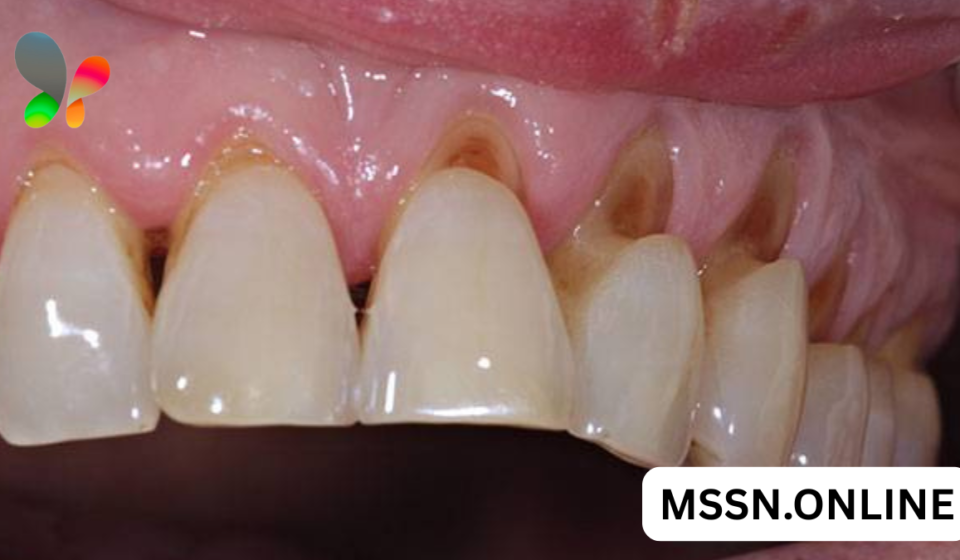
An abrasion cavity refers to tooth damage caused by repeated friction from external objects. This type of cavity typically appears as a V-shaped notch along the side of the tooth, most commonly near the gumline. Because the enamel in this region is naturally thinner, it is more susceptible to mechanical wear.
It is important to distinguish abrasion cavities from other types of tooth wear such as erosion and attrition. Erosion results from chemical processes, often involving acidic foods or stomach acid, while attrition occurs when teeth grind against each other. Abrasion, on the other hand, is purely mechanical. Think of it as a slow sanding process where repeated friction gradually removes protective layers.
Dentists often identify abrasion cavities during routine examinations. In early stages, the damage may appear as slight flattening or polishing of the tooth surface. As the condition progresses, deeper grooves form, potentially leading to hypersensitivity when consuming hot, cold, or sweet foods. Left untreated, the structural integrity of the tooth can weaken, increasing the risk of fractures.
Another key aspect is that abrasion cavities usually affect multiple teeth rather than just one. This pattern often points to habitual behavior—such as aggressive brushing—that consistently impacts the same areas. Recognizing these patterns allows dental professionals to recommend behavioral adjustments before significant damage occurs.
Common Causes of Abrasion Cavities
One of the primary causes of abrasion cavities is improper brushing technique. Many people believe that scrubbing their teeth vigorously removes more plaque. In reality, brushing too hard can act like sandpaper against enamel. Over months and years, this repetitive force slowly wears away the tooth surface.
The type of toothbrush you use also plays a major role. Hard-bristled brushes may feel effective, but they can be overly abrasive. Dentists generally recommend soft-bristled brushes because they clean efficiently without damaging enamel. Similarly, highly abrasive toothpaste formulas—especially those marketed for whitening—can accelerate wear when used excessively.
Another surprisingly common cause is the use of teeth as tools. Opening packages, biting nails, holding hairpins, or gripping objects with your teeth might seem harmless in the moment, but these habits create repeated mechanical stress. Over time, this stress contributes directly to abrasion.
Lifestyle factors can also contribute. People who brush immediately after consuming acidic foods may unknowingly damage softened enamel. Acid temporarily weakens the tooth surface, making it more vulnerable to friction. Waiting at least 30 minutes before brushing allows enamel to reharden naturally.
Even certain occupations or hobbies can increase risk. For example, tailors who hold needles with their teeth or carpenters who grip small objects may experience localized abrasion. Recognizing these patterns is the first step toward prevention.
Signs and Symptoms You Should Never Ignore
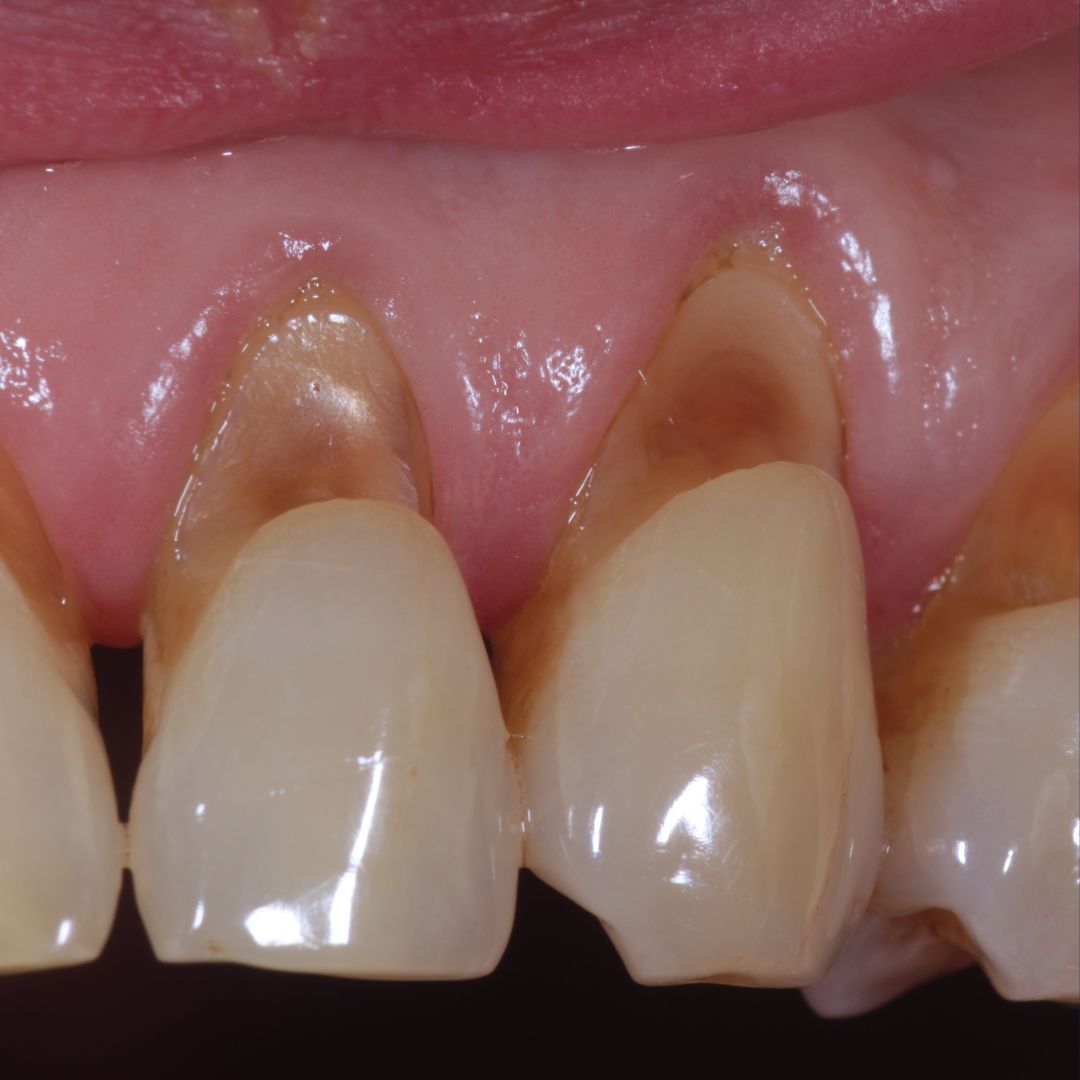
Abrasion cavities rarely develop overnight. Instead, they progress gradually, offering several warning signs along the way. One of the earliest indicators is tooth sensitivity. If you feel a sharp sensation when drinking cold water or eating ice cream, exposed dentin may be the cause.
Another noticeable sign is the appearance of notches near the gumline. These grooves often look darker than surrounding enamel because dentin naturally has a more yellow tone. Some people mistake this discoloration for staining rather than structural damage.
You might also observe that your gums begin to recede in affected areas. While gum recession has multiple causes, abrasion can contribute by weakening the support structure around the tooth. As gums pull back, more of the sensitive root becomes exposed.
In advanced cases, brushing itself may become uncomfortable. This discomfort can lead people to avoid certain areas while cleaning, ironically increasing the risk of plaque buildup and traditional cavities. That is why early detection is so valuable—it prevents a small problem from evolving into a complex dental issue.
If you notice any of these symptoms, scheduling a dental checkup is a smart move. Professional evaluation ensures accurate diagnosis and timely intervention.
How Abrasion Cavities Differ from Traditional Cavities
Traditional cavities are caused by bacteria that produce acids, gradually dissolving enamel. Abrasion cavities, however, stem from physical wear rather than microbial activity. This difference means that even individuals with excellent oral hygiene can develop abrasion cavities if their brushing habits are too aggressive.
Another distinction lies in the location. Regular cavities often form in pits, grooves, or between teeth where plaque accumulates. Abrasion cavities typically appear along the outer surface near the gumline—areas frequently exposed to brushing forces.
Pain patterns can also vary. While bacterial cavities may cause persistent toothache, abrasion-related discomfort is often triggered by temperature changes. This sensitivity occurs because dentin contains microscopic tubules that connect directly to nerve endings.
Treatment approaches differ as well. Bacterial cavities usually require removal of decayed material followed by filling. Abrasion cavities focus more on preventing further mechanical damage before restoring the tooth structure.
Understanding these differences helps patients appreciate why simply brushing more is not always the answer. Technique matters just as much as frequency.
Who Is Most at Risk?
Although anyone can develop an abrasion cavity, certain groups face higher risk. People who prioritize vigorous cleaning often fall into this category. Ironically, individuals deeply committed to oral hygiene sometimes overdo it.
Older adults are another vulnerable group. As gums naturally recede with age, the root surfaces become more exposed. Root dentin is softer than enamel, making it easier to wear down.
Individuals with orthodontic appliances or dental restorations may also experience uneven brushing patterns, leading to localized abrasion. Similarly, those who frequently use whitening toothpaste should remain cautious, as many formulas contain stronger abrasive agents.
Stress can indirectly play a role too. People under stress sometimes adopt unconscious habits like nail biting or chewing on pens. These repetitive behaviors contribute to mechanical wear.
The takeaway is simple: awareness reduces risk. By recognizing your personal habits, you can make adjustments before damage occurs.
The Long-Term Impact on Oral Health
Ignoring abrasion cavities can lead to several complications. Initially, the issue may seem cosmetic, but structural damage can escalate. As enamel thins, teeth become more vulnerable to cracks and chips.
Sensitivity often worsens over time, affecting dietary choices. Some individuals begin avoiding hot drinks or cold foods altogether, which can diminish quality of life. Persistent discomfort may even interfere with daily routines.
There is also an increased risk of secondary decay. Once dentin is exposed, bacteria can infiltrate more easily. What began as mechanical wear can eventually invite microbial problems.
From an aesthetic perspective, uneven tooth surfaces may alter your smile. Notches can catch stains more easily, leading to discoloration that brushing alone cannot fix.
Ultimately, untreated abrasion cavities can require more extensive dental procedures later. Preventive care is always simpler—and more affordable—than corrective treatment.
Prevention Strategies That Actually Work
Preventing abrasion cavities starts with mastering proper brushing technique. Dentists recommend holding your toothbrush at a 45-degree angle and using gentle, circular motions rather than aggressive back-and-forth scrubbing. Think of brushing as polishing rather than scouring.
Switching to a soft-bristled toothbrush is one of the easiest and most effective changes you can make. Electric toothbrushes with pressure sensors can be especially helpful, as they alert you when you are brushing too hard.
Choosing the right toothpaste matters as well. Look for formulas labeled “low abrasive.” While whitening products can enhance brightness, moderation is key.
Timing your brushing is another smart strategy. After consuming acidic beverages like soda or citrus juice, wait before brushing. This simple habit protects temporarily softened enamel.
Finally, be mindful of non-brushing habits. Avoid using your teeth as tools, and try to identify repetitive behaviors that place stress on your smile. Small adjustments today can prevent significant dental work tomorrow.
Professional Treatment Options
When abrasion cavities have already formed, dentists offer several effective treatment options. The choice depends on severity and symptoms.
For mild cases, desensitizing toothpaste or fluoride treatments may be enough. These products help block nerve pathways and strengthen remaining enamel.
If structural damage is more pronounced, tooth-colored composite fillings are often used. These restorations blend seamlessly with natural teeth while protecting exposed dentin.
In situations involving significant wear, bonding procedures can rebuild lost structure. This not only improves function but also restores appearance.
Occasionally, gum grafting may be recommended if recession exposes large portions of the root. Though this sounds intimidating, modern techniques are highly successful and can dramatically improve comfort.
Your dentist will tailor treatment to your needs, ensuring both durability and aesthetics.
The Role of Diet in Protecting Your Teeth
Diet plays a surprisingly influential role in preventing abrasion cavities. Foods rich in calcium and phosphorus help maintain strong enamel, while crunchy vegetables stimulate saliva production, naturally cleansing the mouth.
Hydration is equally important. Saliva acts as a protective buffer, neutralizing acids and supporting remineralization. Drinking plenty of water keeps this defense system functioning optimally.
Limiting acidic foods reduces the likelihood of enamel softening. When you do indulge, pairing acidic items with meals rather than consuming them alone can minimize impact.
Sugar intake should also be monitored. While sugar does not directly cause abrasion, it contributes to overall dental vulnerability.
A balanced diet supports not only your teeth but your entire oral ecosystem.
Why Regular Dental Visits Matter
Routine dental checkups are your best defense against silent dental problems. Dentists can detect early signs of abrasion long before symptoms become noticeable.
Professional cleanings remove plaque without damaging enamel, offering a safer alternative to overly aggressive home care. Your dentist can also demonstrate proper brushing technique tailored to your needs.
X-rays and clinical examinations provide deeper insight into tooth health. If abrasion is detected, early intervention prevents escalation.
Moreover, these visits create an opportunity for personalized advice. Everyone’s mouth is different, and professional guidance ensures your habits align with your dental anatomy.
Skipping appointments may save time in the short term but can lead to more complex issues later.
Myths About Abrasion Cavities
A common myth is that harder brushing equals cleaner teeth. In truth, excessive force often causes more harm than good.
Another misconception is that only people with poor hygiene develop cavities. Abrasion cavities prove otherwise—they can affect even the most diligent brushers.
Some individuals believe sensitivity is normal and unavoidable. While occasional sensitivity can occur, persistent discomfort usually signals an underlying issue worth addressing.
There is also a tendency to blame toothpaste alone. While abrasiveness matters, technique plays a larger role.
Dispelling these myths empowers you to make smarter choices for long-term oral health.
Building a Tooth-Friendly Daily Routine
Creating a sustainable dental routine does not require drastic changes. Start by brushing twice daily with gentle pressure and flossing consistently to maintain overall health.
Consider using a toothbrush with ergonomic design for better control. Replace it every three to four months to ensure optimal performance.
Incorporating mouthwash can provide additional protection, especially formulas designed for enamel strengthening.
Pay attention to how your teeth feel. Sensitivity, rough spots, or visual changes deserve attention.
Most importantly, approach dental care with balance. More force does not mean more effectiveness—precision does.
The Psychological Side of Dental Habits
Interestingly, many damaging habits are rooted in psychology. People often brush harder because they associate effort with cleanliness. Others chew on objects during moments of stress without realizing it.
Mindfulness can help break these patterns. Becoming aware of your behaviors is the first step toward change.
Replacing harmful habits with safer alternatives—such as chewing sugar-free gum instead of biting nails—can significantly reduce risk.
Confidence also plays a role. A healthy smile boosts self-esteem, encouraging continued care and attention.
Dental health is not just physical; it is deeply connected to behavior and mindset.
Looking Ahead: Protecting Your Smile for Life
Abrasion cavities remind us that dental care is about technique, awareness, and consistency. By adopting gentle habits today, you safeguard your teeth for decades.
Advancements in dentistry continue to improve treatment outcomes, but prevention remains the gold standard. The less damage your teeth endure, the less intervention they will require.
Think of your enamel as a finite resource. Once lost, it cannot regenerate naturally. Protecting it should be a lifelong priority.
Ultimately, maintaining oral health is an investment in overall well-being. Comfortable eating, confident smiling, and freedom from pain all stem from proactive care.
With the knowledge gained from this guide, you are well-equipped to recognize risks, adjust habits, and partner with dental professionals to keep your smile strong and resilient.
FAQs
What is an abrasion cavity?
It is a notch or worn area on a tooth caused by repeated mechanical friction rather than bacterial decay.
Can brushing too hard damage teeth?
Yes, aggressive brushing can wear away enamel and lead to abrasion cavities.
Are abrasion cavities reversible?
Early damage can be managed, but lost enamel cannot grow back naturally.
Which toothbrush is best for prevention?
A soft-bristled toothbrush is ideal because it cleans without excessive abrasion.
Do abrasion cavities cause sensitivity?
Yes, exposed dentin often leads to discomfort when consuming hot or cold foods.
Is treatment always necessary?
Mild cases may only need monitoring, but deeper cavities typically require restoration.
Can children develop abrasion cavities?
Yes, especially if they use hard brushes or apply too much pressure.
How often should I visit a dentist?
Most experts recommend checkups every six months for early detection.
Does whitening toothpaste increase risk?
Some formulas are more abrasive, so moderation and proper technique are important.
Can diet help protect enamel?
Absolutely—nutrient-rich foods and proper hydration support stronger teeth.
Also read: BWFC Logo: History, Meaning, Evolution, and Cultural Impact