

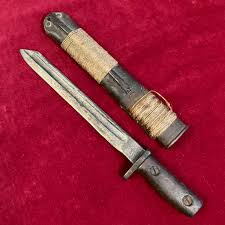

Introduction to the British Trench Knife
The British trench knife is one of the most fascinating and symbolic weapons associated with early 20th-century warfare. It emerged during a time when combat conditions were harsh, unpredictable, and extremely close-range. Soldiers needed tools that were not only reliable but also effective in tight, muddy trenches where long rifles were often impractical. This necessity gave birth to trench knives, which became a vital part of a soldier’s equipment during the First World War.
At first glance, the British trench knife may seem like a simple blade, but it carries a deep history of innovation, adaptation, and survival. Unlike traditional knives used for utility purposes, trench knives were specifically designed for combat. They were built to be sturdy, easy to handle, and deadly in close quarters. The British version, in particular, stood out for its unique balance between practicality and effectiveness.
Understanding the British trench knife requires more than just looking at its physical form. It involves exploring the historical context in which it was developed, the challenges faced by soldiers in trench warfare, and the ways in which this weapon evolved over time. By examining all these aspects, we can appreciate why the trench knife remains a significant piece of military history even today.
The Historical Background of Trench Warfare

Trench warfare defined much of the First World War, especially on the Western Front. Soldiers lived and fought in long, narrow ditches that stretched for miles across Europe. These trenches were often muddy, cold, and filled with danger at every turn. The environment made traditional battlefield tactics less effective, forcing armies to adapt quickly.
In these conditions, close combat became a frequent occurrence. Soldiers would often find themselves fighting at very short distances, sometimes even face-to-face with the enemy. Rifles with bayonets were still used, but they were not always practical in confined spaces. This created a demand for smaller, more manageable weapons that could be used quickly and efficiently.
The British Army, like many others, began experimenting with new types of weapons suited for trench fighting. Among these were trench clubs, improvised weapons, and eventually trench knives. These tools were designed to give soldiers an advantage in sudden encounters, especially during night raids or surprise attacks. The British trench knife was a direct response to these unique challenges, combining simplicity with effectiveness.
Evolution of the British Trench Knife
The development of the British trench knife was not a straightforward process. In the early stages of the war, soldiers often relied on improvised weapons. Some would modify existing knives, while others created makeshift tools using whatever materials were available. These early designs were crude but served as a starting point for more refined versions.
As the war progressed, the British military began to standardize certain designs. They studied the effectiveness of different weapons and gathered feedback from soldiers on the front lines. This led to the creation of more practical and reliable trench knives. These knives were designed with specific features that made them suitable for combat in trenches.
One of the key aspects of this evolution was the focus on ergonomics. The handle needed to provide a firm grip, even in wet or muddy conditions. The blade had to be strong enough to withstand heavy use without breaking. Over time, these improvements resulted in trench knives that were not only functional but also durable. The British trench knife became a trusted tool for many soldiers, reflecting the lessons learned during the war.
Design Features of the British Trench Knife
The design of the British trench knife is both simple and effective. It typically features a fixed blade with a sharp point, making it ideal for stabbing. The blade is often double-edged or partially sharpened on both sides, allowing for versatility in combat. This design ensures that the knife can be used quickly and efficiently in close-range situations.
The handle is another important feature. It is usually made from materials like wood or metal, designed to provide a secure grip. Some versions include finger grooves or textured surfaces to prevent slipping. This is especially important in trench conditions, where mud and moisture are constant challenges. A good grip can make a significant difference in a life-or-death situation.
Another notable aspect of the British trench knife is its compact size. Unlike larger weapons, it is easy to carry and does not restrict movement. Soldiers could keep it readily accessible, allowing them to react quickly during sudden encounters. The overall design reflects a balance between functionality and practicality, making it a reliable tool in the harsh environment of trench warfare.
Materials Used in Manufacturing
The materials used in the construction of British trench knives played a crucial role in their effectiveness. During wartime, resources were often limited, so manufacturers had to make the most of what was available. Despite these challenges, they managed to produce knives that were both durable and efficient.
The blades were typically made from high-carbon steel. This material was chosen for its strength and ability to hold a sharp edge. High-carbon steel could withstand the stress of repeated use without losing its effectiveness. It also allowed for easy sharpening, which was essential for maintaining the knife in the field.
Handles were made from a variety of materials, including wood, brass, and steel. Each material had its advantages. Wooden handles were lightweight and comfortable to hold, while metal handles offered greater durability. The choice of material often depended on availability and the specific requirements of the design. Together, these materials contributed to the overall reliability of the British trench knife.
Role in Close-Combat Situations
The primary purpose of the British trench knife was close combat. In the confined spaces of trenches, soldiers needed a weapon that could be used quickly and effectively. The trench knife was perfect for this role, allowing soldiers to defend themselves and attack the enemy at very short distances.
Close combat in trenches was often intense and unpredictable. Encounters could happen suddenly, leaving little time to react. In such situations, the trench knife provided a significant advantage. Its compact size and sharp blade made it easy to use, even in tight spaces. Soldiers could carry it discreetly and draw it quickly when needed.
The trench knife was also used during raids. These were carefully planned attacks on enemy trenches, often carried out at night. During these operations, silence and speed were crucial. The trench knife allowed soldiers to engage the enemy without making much noise, increasing the chances of success. Its role in these scenarios highlights its importance as a specialized combat tool.
Comparison with Other Trench Weapons
During the First World War, soldiers used a variety of weapons for trench combat. These included bayonets, clubs, and even improvised tools like sharpened sticks. Each weapon had its strengths and weaknesses, but the trench knife stood out for its versatility.
Compared to bayonets, trench knives were more compact and easier to handle in confined spaces. Bayonets were attached to rifles, making them longer and less maneuverable. While they were effective in open combat, they were not always practical in trenches. The trench knife, on the other hand, was designed specifically for close-range encounters.
Clubs and other blunt weapons were also common, but they lacked the precision of a knife. While they could be effective in certain situations, they were not as versatile. The trench knife offered a balance between power and control, making it a preferred choice for many soldiers. Its design allowed for both offensive and defensive use, giving it an edge over other trench weapons.
Training and Usage Techniques
Using a trench knife effectively required proper training. Soldiers were taught various techniques to maximize the weapon’s potential. These techniques focused on speed, precision, and efficiency, ensuring that the knife could be used effectively in high-pressure situations.
Training often included hand-to-hand combat drills. Soldiers learned how to handle the knife, how to strike effectively, and how to defend themselves against attacks. These skills were essential for surviving in the trenches, where encounters could be sudden and intense. Proper training helped soldiers build confidence in using the trench knife.
In addition to combat techniques, soldiers were also trained in maintenance. Keeping the knife sharp and in good condition was crucial. A dull or damaged blade could be ineffective and even dangerous to the user. Regular maintenance ensured that the trench knife remained a reliable tool throughout its use.
Psychological Impact on Soldiers
The presence of trench knives had a significant psychological impact on soldiers. These weapons were closely associated with close combat, which was often more personal and intense than other forms of fighting. Carrying a trench knife could both empower and unsettle soldiers.
For some, the trench knife provided a sense of security. It was a reliable tool that could be used in emergencies, giving soldiers confidence in their ability to defend themselves. This sense of preparedness was important in the stressful environment of trench warfare.
However, the use of such weapons also highlighted the harsh realities of war. Close combat required soldiers to confront the enemy directly, which could be emotionally challenging. The trench knife became a symbol of this aspect of warfare, representing both survival and the brutal nature of combat.
Post-War Influence and Legacy
After the First World War, the British trench knife continued to influence military and civilian knife designs. Its practicality and effectiveness made it a valuable reference for future developments. Many modern combat knives still incorporate features inspired by trench knives.
Collectors and historians have also shown great interest in trench knives. They are considered important artifacts that provide insight into the experiences of soldiers during the war. Museums and private collections often include these knives as part of their exhibits.
The legacy of the British trench knife extends beyond its physical form. It represents a period of innovation driven by necessity. It also serves as a reminder of the challenges faced by soldiers and the ways in which they adapted to survive. This lasting impact ensures that the trench knife remains a significant part of military history.
Collecting British Trench Knives Today
Collecting British trench knives has become a popular hobby among history enthusiasts. These knives are valued for their historical significance and unique design. Each piece tells a story, offering a glimpse into the past.
When collecting trench knives, authenticity is an important factor. Original knives from the First World War are highly sought after, but they can be difficult to find. Collectors often rely on expert knowledge and documentation to verify the authenticity of a piece.
Condition is another key consideration. While some wear is expected due to age, well-preserved knives are more valuable. Proper storage and maintenance are essential for preserving these historical artifacts. Collecting trench knives is not just about ownership; it is about preserving a piece of history for future generations.
Modern Interpretations and Replicas
In today’s market, there are many modern interpretations and replicas of British trench knives. These are often produced for collectors, reenactors, and enthusiasts. While they may not have the same historical value as original pieces, they still capture the essence of the design.
Modern replicas are usually made using advanced materials and manufacturing techniques. This results in knives that are more durable and consistent in quality. They are often used for display purposes or as part of historical reenactments.
Some modern designs also incorporate additional features, such as improved ergonomics or enhanced blade materials. These updates make the knives more practical for everyday use, while still maintaining the classic look of the original trench knife. This blend of tradition and innovation keeps the legacy of the British trench knife alive.
Ethical Considerations and Usage Today
While trench knives are an important part of history, their use today raises ethical considerations. These weapons were designed for combat, and their primary purpose was to harm. As such, their use should be approached with caution and responsibility.
In many places, there are legal restrictions on owning or carrying certain types of knives. It is important for individuals to be aware of these laws and to comply with them. Responsible ownership is essential to ensure safety and respect for the law.
For collectors and enthusiasts, the focus is usually on historical appreciation rather than practical use. Trench knives are often displayed as part of collections or used in educational contexts. By understanding their history and significance, we can appreciate these artifacts without promoting violence.
FAQs
What is a British trench knife?
A British trench knife is a compact combat knife designed for close-range fighting during trench warfare in World War I.
Why were trench knives used in World War I?
They were used because rifles were impractical in tight trench spaces, making close-combat weapons necessary.
What materials were used to make trench knives?
They were typically made from high-carbon steel for the blade and wood or metal for the handle.
Are original British trench knives valuable?
Yes, authentic World War I trench knives are highly valued by collectors and historians.
Can trench knives be used today?
They can be owned or used depending on local laws, but they are mainly kept for collection or display purposes.
How is a trench knife different from a bayonet?
A trench knife is smaller and easier to handle in close spaces, while a bayonet is attached to a rifle.
Were trench knives standard issue in the British Army?
Not always; many were issued later in the war or used as specialized equipment.
Do modern trench knife replicas exist?
Yes, many replicas are produced today for collectors and reenactments.
What made the trench knife effective in combat?
Its compact size, sharp blade, and ease of handling made it ideal for close combat.
Is collecting trench knives legal?
It depends on local laws, but in many places, collecting them is allowed with certain restrictions.
Also read:Capsule Machine Vending: The Complete Expert Guide to Building a Profitable Business