

Introduction to Weed Cutting Boats
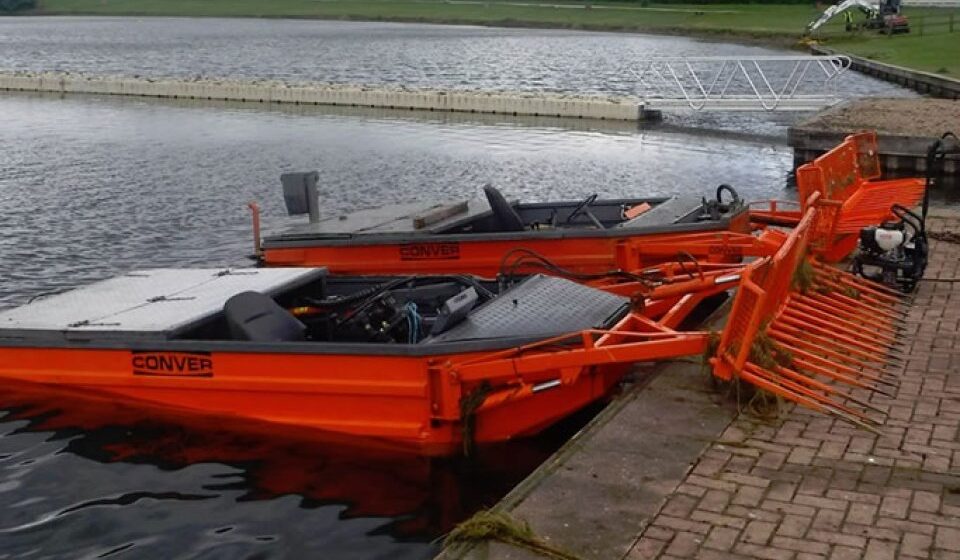
A weed cutting boat is a specialized watercraft designed to remove unwanted aquatic vegetation from lakes, rivers, ponds, and canals. These machines play a critical role in maintaining clean waterways, improving water flow, and supporting healthy aquatic ecosystems. While they may look simple at first glance, modern weed cutting boats combine advanced engineering, precision cutting systems, and efficient collection mechanisms to deliver powerful results.
Aquatic weeds can quickly take over water bodies if left unchecked. They block sunlight, reduce oxygen levels, and make it difficult for fish and other aquatic life to survive. For humans, they create problems in irrigation, fishing, and recreational activities like boating and swimming. This is where weed cutting boats become essential tools. They provide an efficient, eco-friendly solution to manage excessive plant growth without relying heavily on chemicals.
In recent years, the demand for weed cutting boats has grown significantly. Governments, farmers, fisheries, and private landowners are all investing in these machines to maintain water quality. Whether it’s a small pond or a large lake, weed cutting boats offer a scalable and reliable method for aquatic weed control.
How a Weed Cutting Boat Works
At its core, a weed cutting boat operates using a combination of cutting blades, conveyors, and storage systems. The boat moves across the water while a front-mounted cutting system trims aquatic plants just below the surface. These cut plants are then lifted onto the boat using a conveyor system.
The cutting mechanism typically consists of horizontal and vertical blades. The horizontal blade cuts plants at a desired depth, while vertical blades trim vegetation on the sides. This ensures a clean and uniform cut, preventing weeds from regrowing too quickly. The system is powered by either diesel engines, electric motors, or hybrid setups, depending on the model.
Once the weeds are cut, they are transported onto the deck of the boat. Most weed cutting boats have storage compartments where the collected vegetation is temporarily stored. When the storage area is full, the boat returns to the shore to unload the biomass. Some advanced models even include automated unloading systems, which make the process faster and more efficient.
Types of Weed Cutting Boats
Weed cutting boats come in different types, each designed for specific applications and water conditions. Choosing the right type depends on the size of the water body, the type of vegetation, and the level of infestation.
One common type is the mechanical weed harvester. This is the most widely used version and is suitable for large-scale operations. It features powerful cutting blades and high-capacity storage, making it ideal for lakes and rivers with dense weed growth. These machines are often used by municipalities and environmental agencies.
Another type is the amphibious weed cutter. These boats can operate both in water and on land, making them highly versatile. They are especially useful in shallow waters, marshes, and wetlands where traditional boats may struggle. Amphibious models can easily move from one area to another without requiring additional transport.
There are also small, portable weed cutting boats designed for private use. These are compact, lightweight, and easy to operate. They are perfect for small ponds, farms, and residential water bodies. Although they have lower capacity, they are cost-effective and efficient for smaller tasks.
Key Components of a Weed Cutting Boat
Understanding the components of a weed cutting boat helps in better operation and maintenance. Each part plays a vital role in ensuring smooth and efficient weed removal.
The cutting system is the most important component. It includes sharp blades made from high-quality steel to ensure durability and precision. These blades must be regularly inspected and sharpened to maintain optimal performance. A well-maintained cutting system ensures clean cuts and reduces strain on the engine.
The conveyor system is responsible for transporting cut weeds from the water to the storage area. It consists of belts or chains with metal bars that scoop up vegetation. A good conveyor system ensures minimal loss of weeds and prevents clogging during operation. This improves overall efficiency and reduces downtime.
The storage compartment is where the collected weeds are stored. It is designed to hold large volumes of vegetation without affecting the stability of the boat. Some models include sensors that indicate when the storage is full, allowing operators to plan unloading efficiently.
Benefits of Using a Weed Cutting Boat
Using a weed cutting boat offers numerous advantages compared to traditional weed control methods. One of the biggest benefits is its eco-friendly nature. Unlike chemical treatments, mechanical cutting does not introduce harmful substances into the water. This helps protect aquatic life and maintain water quality.
Another major benefit is efficiency. Weed cutting boats can cover large areas in a short amount of time. They are capable of removing tons of vegetation in a single operation, making them ideal for large-scale projects. This reduces labor costs and saves time.
Weed cutting boats also provide long-term solutions. By regularly removing weeds, they prevent excessive growth and reduce the chances of re-infestation. This helps maintain a balanced ecosystem and ensures that water bodies remain usable for various purposes.
Applications of Weed Cutting Boats
Weed cutting boats are used in a wide range of applications. One of the most common uses is in agriculture. Farmers rely on clean water for irrigation, and excessive weed growth can block canals and reduce water flow. Weed cutting boats help keep these channels clear and functional.
In fisheries, weed cutting boats play a crucial role in maintaining healthy environments for fish. Excessive vegetation can reduce oxygen levels and harm fish populations. By removing weeds, these boats help improve water conditions and support sustainable fishing practices.
Recreational areas such as lakes and parks also benefit from weed cutting boats. Clean water bodies enhance the experience for visitors and promote tourism. Whether it’s boating, swimming, or fishing, maintaining clear water is essential for safety and enjoyment.
Factors to Consider When Choosing a Weed Cutting Boat
Selecting the right weed cutting boat requires careful consideration of several factors. The size of the water body is one of the most important aspects. Larger areas require boats with higher capacity and more powerful engines, while smaller ponds can be managed with compact models.
The type of vegetation also plays a role in choosing the right boat. Some weeds are tougher and require stronger cutting systems. Floating weeds, submerged plants, and emergent vegetation all require different approaches, so it’s important to choose a boat that can handle the specific type of growth.
Budget is another key factor. Weed cutting boats come in a wide range of prices, depending on their size, features, and capabilities. While it may be tempting to go for a cheaper option, investing in a high-quality boat can save money in the long run through better performance and durability.
Maintenance and Care of Weed Cutting Boats
Proper maintenance is essential to ensure the longevity and efficiency of a weed cutting boat. Regular inspection of the cutting blades is necessary to keep them sharp and free from damage. Dull blades can reduce performance and increase fuel consumption.
The engine should also be maintained according to the manufacturer’s guidelines. This includes regular oil changes, filter replacements, and checking for any signs of wear. A well-maintained engine ensures smooth operation and reduces the risk of breakdowns.
Cleaning the boat after each use is equally important. Removing debris and plant material prevents corrosion and keeps the machine in good condition. It also helps in identifying any issues early, allowing for timely repairs.
Environmental Impact of Weed Cutting Boats
Weed cutting boats are considered an environmentally friendly solution for aquatic weed management. Unlike chemical treatments, they do not introduce toxins into the water. This makes them safe for fish, wildlife, and humans.
They also help improve water quality by removing excess vegetation. This allows more sunlight to penetrate the water, promoting the growth of beneficial plants and maintaining a healthy ecosystem. Additionally, removing weeds helps prevent the buildup of organic matter, which can lead to oxygen depletion.
However, it is important to use weed cutting boats responsibly. Over-harvesting can disrupt habitats and affect aquatic life. Proper planning and controlled operations ensure that the benefits are maximized while minimizing any negative impact.
Cost and Investment Considerations
Investing in a weed cutting boat can be a significant expense, but it is often justified by the long-term benefits. The cost varies depending on the size, features, and brand of the boat. Small models may be relatively affordable, while large industrial machines can be quite expensive.
Operating costs should also be considered. This includes fuel, maintenance, and labor. While these costs can add up, the efficiency of weed cutting boats often results in overall savings compared to manual methods or repeated chemical treatments.
For those who cannot afford to purchase a boat, renting or hiring services is a viable option. Many companies offer weed cutting services, allowing users to benefit from the technology without the upfront investment.
Future Trends in Weed Cutting Boat Technology
The future of weed cutting boats is focused on innovation and sustainability. Manufacturers are developing electric and hybrid models to reduce fuel consumption and emissions. These eco-friendly options are becoming increasingly popular as environmental concerns grow.
Automation is another area of development. Some modern weed cutting boats are equipped with GPS and remote control systems, allowing for precise and efficient operation. This reduces the need for manual labor and improves accuracy.
Advanced materials and design improvements are also being introduced. These enhancements make boats lighter, more durable, and easier to operate. As technology continues to evolve, weed cutting boats will become even more efficient and accessible.
Conclusion
Weed cutting boats are powerful tools for managing aquatic vegetation and maintaining healthy water bodies. They offer an efficient, eco-friendly, and long-term solution to the challenges posed by excessive weed growth. From agriculture to recreation, their applications are vast and essential.
By understanding how these machines work, their benefits, and how to maintain them, users can make informed decisions and maximize their effectiveness. As technology advances, weed cutting boats will continue to play a crucial role in water management and environmental conservation.
FAQs
What is a weed cutting boat used for?
It is used to remove unwanted aquatic plants from water bodies.
Is a weed cutting boat environmentally friendly?
Yes, it removes weeds without using harmful chemicals.
Can weed cutting boats be used in small ponds?
Yes, smaller models are designed specifically for ponds.
How often should weeds be removed?
Regular maintenance depends on growth, usually every few weeks.
Are weed cutting boats expensive?
They vary in price, but long-term benefits often justify the cost.
Do weed cutting boats harm fish?
No, when used properly they are safe for aquatic life.
Can one person operate a weed cutting boat?
Yes, most models are designed for single-operator use.
What type of fuel do weed cutting boats use?
They can use diesel, electricity, or hybrid systems.
Do weeds grow back after cutting?
Yes, but regular cutting helps control their growth.
Is training required to operate a weed cutting boat?
Basic training is recommended for safe and efficient use.