

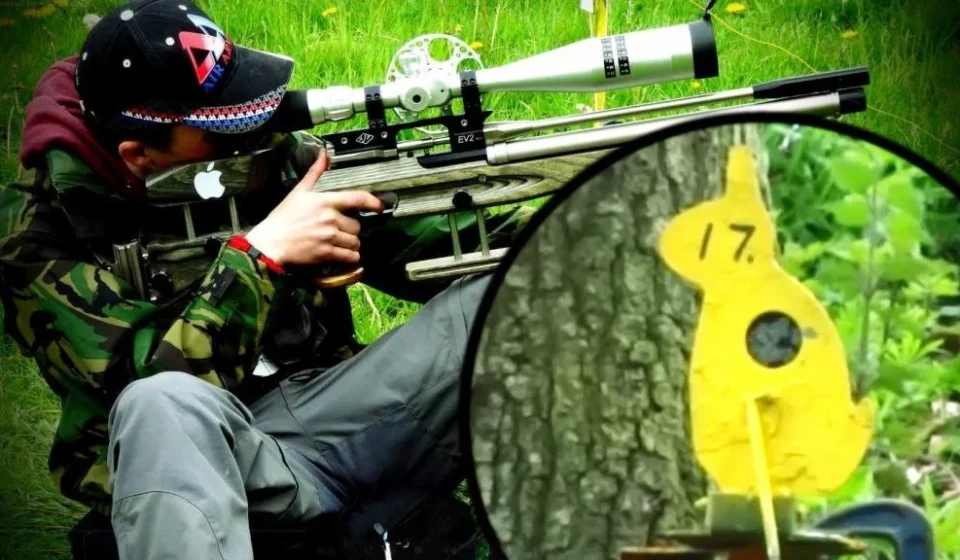

Introduction to Hunting Field Target
Hunting field target is a fascinating outdoor activity that blends the precision of shooting sports with the unpredictability of real-world hunting scenarios. It is designed to simulate hunting conditions while maintaining safety and ethical standards. Unlike traditional hunting, this activity typically uses air rifles and metal targets shaped like animals, allowing participants to practice accuracy without harming wildlife. This makes it an ideal entry point for beginners as well as a valuable training method for experienced shooters.
At its core, hunting field target focuses on skill development. Shooters must deal with varying distances, wind conditions, and shooting positions. This dynamic environment makes every shot unique, challenging both mental focus and physical control. Over time, participants learn to read terrain, estimate distances, and adjust their aim accordingly, all of which are essential skills in real hunting situations.
Another reason for its growing popularity is accessibility. You do not need vast hunting land or expensive gear to get started. Many clubs and private ranges offer structured courses that replicate natural environments. This allows enthusiasts to enjoy the thrill of hunting-like challenges in a controlled and safe setting, making it suitable for individuals of all ages.
Understanding the Basics of Hunting Field Target
Before diving into advanced techniques, it is important to understand the basic structure of hunting field target. The sport usually involves shooting at metal targets placed at different distances, often ranging from 10 to 50 meters. These targets are designed with a small kill zone, which must be hit precisely to knock them down. Missing the kill zone may result in partial hits that do not count, emphasizing accuracy over power.
Participants typically use air rifles, which are quieter and more affordable than traditional firearms. These rifles are capable of high precision, especially when paired with proper optics. The emphasis is on consistency and control rather than raw strength. This makes hunting field target an excellent way to build shooting fundamentals such as trigger discipline, breath control, and steady aim.
Courses are usually set up outdoors, incorporating natural elements like trees, slopes, and uneven terrain. Shooters may be required to take shots from various positions, including standing, kneeling, and prone. This variety adds complexity to the sport, ensuring that no two sessions feel the same. It also prepares participants for real-world hunting scenarios where conditions are rarely perfect.
Essential Equipment for Hunting Field Target
Having the right equipment is crucial for success in hunting field target. The most important piece of gear is the air rifle. A high-quality rifle with consistent performance can make a significant difference in accuracy. While beginners can start with entry-level models, experienced shooters often invest in precision rifles designed specifically for field target shooting.
Optics are another key component. A reliable scope helps shooters accurately estimate distance and place their shots with precision. Many scopes used in this sport come with adjustable magnification and parallax settings, allowing for fine-tuned adjustments based on distance. Learning how to use these features effectively can greatly improve your performance.
In addition to the rifle and scope, other accessories play an important role. Pellets must be chosen carefully, as different types can affect accuracy and trajectory. Shooting mats, gloves, and knee pads can improve comfort during long sessions, especially when shooting from challenging positions. A sturdy carrying case and maintenance kit are also essential for keeping your equipment in top condition.
Techniques to Improve Accuracy
Accuracy is the foundation of hunting field target, and mastering it requires a combination of technique and practice. One of the most important skills is proper breathing control. Shooters should take a deep breath, exhale slowly, and fire the shot during a natural pause. This minimizes movement and helps maintain a steady aim.
Trigger control is another critical aspect. Jerking the trigger can cause the rifle to shift, resulting in missed shots. Instead, shooters should apply steady, gradual pressure until the shot breaks. This technique ensures a smooth release and better shot placement. Consistency in trigger control is key to achieving reliable results.
Body positioning also plays a significant role. Whether shooting from a prone, kneeling, or standing position, stability is essential. Shooters should use natural support points, such as elbows or knees, to create a solid shooting platform. Practicing different positions regularly helps build muscle memory and improves adaptability in various conditions.
Reading the Environment and Conditions
One of the most challenging aspects of hunting field target is dealing with environmental factors. Wind is perhaps the most significant variable, as it can alter the trajectory of the pellet. Learning to read wind direction and speed is essential for making accurate adjustments. Observing elements like grass movement or tree leaves can provide valuable clues.
Lighting conditions also affect visibility and target perception. Bright sunlight, shadows, and overcast skies can all influence how targets appear through the scope. Shooters must learn to adapt their settings and techniques based on these conditions. This may include adjusting magnification or changing shooting angles to reduce glare.
Terrain plays a role as well. Shooting uphill or downhill can impact the pellet’s trajectory, requiring adjustments in aim. Understanding how angles affect distance is crucial for accurate shooting. With practice, shooters develop the ability to quickly assess these factors and make the necessary corrections.
Safety Practices in Hunting Field Target
Safety should always be a top priority in any shooting activity, and hunting field target is no exception. Participants must follow strict safety rules to prevent accidents and ensure a secure environment for everyone involved. This includes keeping the rifle pointed in a safe direction at all times and only loading it when ready to shoot.
Protective gear, such as eye protection, is highly recommended. While air rifles are generally safer than firearms, they can still cause injury if not handled properly. Wearing appropriate clothing and footwear also helps prevent accidents, especially when navigating uneven terrain.
Another important aspect of safety is respecting the range and other participants. Shooters should wait for clear signals before approaching targets or moving around the course. Communication and awareness are key to maintaining a safe and enjoyable experience for everyone involved.
Benefits of Practicing Hunting Field Target
Hunting field target offers numerous benefits beyond just improving shooting skills. One of the main advantages is enhanced focus and concentration. The sport requires a high level of mental engagement, as shooters must analyze multiple factors before taking each shot. This mental discipline can carry over into other areas of life.
Physical fitness is another benefit. While it may not seem physically demanding at first, the activity involves walking through outdoor courses, maintaining steady positions, and handling equipment. Over time, this contributes to improved strength, balance, and endurance.
Additionally, hunting field target fosters a deeper appreciation for nature. Participants spend time outdoors, often in scenic environments, which can be both relaxing and invigorating. This connection with nature adds an extra layer of enjoyment to the activity, making it more than just a sport.
Common Mistakes and How to Avoid Them
Beginners often make a few common mistakes when starting out in hunting field target. One of the most frequent errors is rushing shots. Taking time to properly aim and control breathing is essential for accuracy. Patience is key, and shooters should focus on quality rather than speed.
Another mistake is neglecting equipment maintenance. Dirty barrels or poorly maintained rifles can significantly impact performance. Regular cleaning and proper storage help ensure consistent results. Investing time in maintenance is just as important as practicing shooting techniques.
Overconfidence can also be a problem. While confidence is important, it should be balanced with continuous learning and improvement. Even experienced shooters can benefit from revisiting fundamentals and seeking feedback. Staying open to improvement helps avoid stagnation and keeps skills sharp.
Training Tips for Beginners
For those new to hunting field target, starting with the basics is essential. Begin by practicing at shorter distances to build confidence and accuracy. As skills improve, gradually increase the distance and complexity of shots. This step-by-step approach helps prevent frustration and encourages steady progress.
Joining a local club or group can be बेहद helpful. Learning from experienced shooters provides valuable insights and accelerates skill development. Many clubs offer structured training sessions, which can be especially beneficial for beginners.
Consistency is another key factor. Regular practice sessions, even if short, are more effective than occasional long sessions. Setting specific goals for each practice session helps maintain focus and track progress over time. With dedication and persistence, beginners can quickly develop strong shooting skills.
Advanced Strategies for Experienced Shooters
Experienced shooters can take their skills to the next level by focusing on advanced strategies. One such strategy is mastering range estimation. Accurately judging distance without relying solely on scope adjustments can provide a competitive edge, especially in dynamic environments.
Another advanced technique involves fine-tuning equipment. Adjusting scope settings, experimenting with different pellets, and customizing the rifle can lead to improved performance. Small changes can make a big difference, especially at longer distances.
Mental preparation is also crucial at advanced levels. Staying calm under pressure and maintaining focus during challenging shots can significantly impact results. Techniques such as visualization and controlled breathing can help improve mental resilience and consistency.
Conclusion
Hunting field target is a rewarding and engaging activity that combines skill, strategy, and a love for the outdoors. Whether you are a beginner looking to learn the basics or an experienced shooter aiming to refine your technique, this sport offers endless opportunities for growth and enjoyment. By understanding the fundamentals, practicing regularly, and staying committed to improvement, you can achieve remarkable results and fully appreciate the unique challenges of hunting field target.
FAQs
What is hunting field target? It is a shooting sport that simulates hunting using air rifles and metal targets.
Do I need a license to start hunting field target? Requirements vary by location, so check local regulations before starting.
What type of rifle is best for beginners? A basic air rifle with good accuracy is ideal for beginners.
How far are the targets placed? Targets are usually placed between 10 and 50 meters.
Is hunting field target safe? Yes, when proper safety rules and guidelines are followed.
Can children participate in hunting field target? Yes, with proper supervision and safety measures.
How can I improve my accuracy? Practice regularly and focus on breathing, trigger control, and positioning.
What are kill zones in targets? They are small areas that must be hit to knock down the target.
Do weather conditions affect shooting? Yes, wind and lighting can significantly impact accuracy.
Is hunting field target expensive to start? It can be affordable, especially with entry-level equipment.
Also read:Turkish Delight Flavour: A Complete Expert Guide to Taste, Variety, and Cultural Charm