

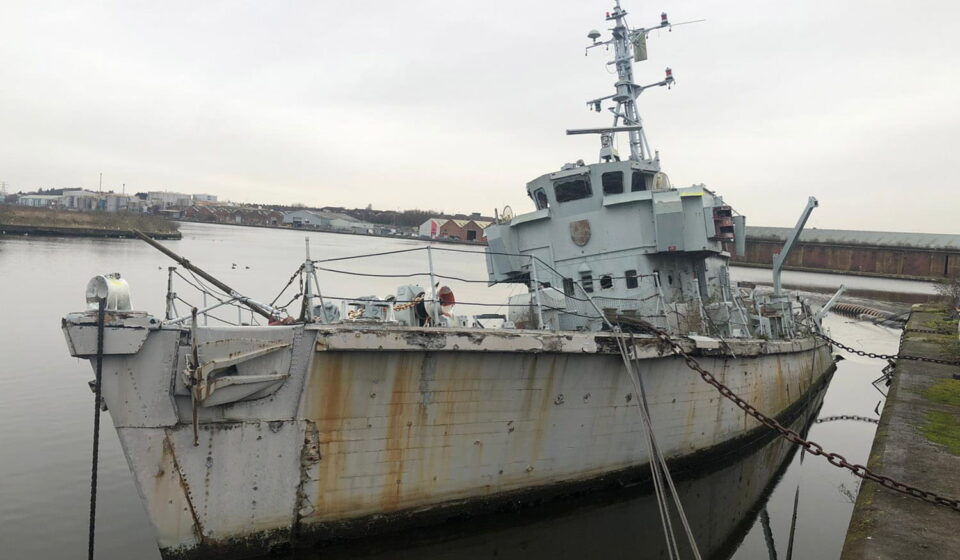

Introduction to HMS Bronington
HMS Bronington is one of those naval vessels that quietly played an important role in maritime history, even though it may not be as widely known as large warships or aircraft carriers. This ship belonged to a class of minesweepers designed during the Cold War era, a time when naval threats were evolving rapidly and the need for specialized vessels became more important than ever. Understanding HMS Bronington gives us insight into naval engineering, strategy, and the challenges faced by sailors who worked in dangerous environments clearing explosive devices from the sea.
The ship was part of the Ton-class minesweepers, a group of vessels built primarily for clearing naval mines that posed a serious risk to both military and commercial ships. Unlike large combat ships, HMS Bronington had a very specific purpose, and it performed that role with precision. Minesweeping may not sound glamorous, but it is one of the most dangerous jobs at sea, requiring skill, patience, and courage.
In this detailed guide, we will explore every aspect of HMS Bronington, including its design, history, operations, and later years. The goal is to provide a clear, expert-level understanding while keeping the tone simple and engaging. By the end of this article, you will have a complete picture of why HMS Bronington still matters today.

The Historical Background of Naval Minesweepers
Naval mines have been used in warfare for centuries, but their importance increased significantly during the 20th century. Both World War I and World War II demonstrated how effective mines could be in blocking harbors, damaging ships, and controlling sea routes. After these wars, navies around the world realized that specialized ships were needed to detect and remove these hidden threats.
During the Cold War, tensions between global powers led to an increased focus on defensive and preventive naval strategies. Minesweepers like HMS Bronington were designed to ensure that key waterways remained open and safe. These ships were not built for direct combat but were essential for supporting naval operations and protecting merchant vessels.
The development of minesweepers also required advancements in materials and technology. For example, many mines were triggered by magnetic fields, so ships like HMS Bronington were constructed using materials that reduced magnetic signatures. This innovation helped protect the ship while it carried out its dangerous missions.
Design and Construction of HMS Bronington
HMS Bronington was built with a very specific purpose in mind, and its design reflects that. Unlike large steel warships, it was constructed using wood and non-magnetic materials. This was done to minimize the risk of triggering magnetic mines, which were commonly used during the Cold War era.
The ship measured approximately 46 meters in length and had a relatively shallow draft, allowing it to operate in coastal waters where mines were often placed. Its size made it agile and capable of maneuvering in tight spaces, which was essential for effective minesweeping operations. Despite its smaller size, the ship was equipped with advanced tools and equipment for detecting and neutralizing mines.
Another key aspect of its design was the inclusion of specialized engines that produced less magnetic interference. This attention to detail highlights the level of engineering expertise that went into building HMS Bronington. Every feature of the ship was carefully planned to ensure maximum safety and efficiency during operations.
The Ton-Class Minesweepers Explained
HMS Bronington belonged to the Ton-class minesweepers, a series of ships developed by the Royal Navy in the 1950s. These vessels were named after British towns ending in “-ton,” which is why the ship was named Bronington. The class included dozens of ships, each designed to perform similar tasks but sometimes adapted for specific missions.
Ton-class minesweepers were known for their durability and effectiveness. They were used not only by the Royal Navy but also by several allied nations. This widespread use demonstrates how successful the design was and how important these ships were during the Cold War period.
What made the Ton-class unique was its combination of traditional craftsmanship and modern technology. The wooden hulls required skilled construction techniques, while the onboard equipment represented the latest advancements in naval engineering. HMS Bronington was a perfect example of this balance, showcasing both reliability and innovation.
Role and Duties of HMS Bronington
The primary role of HMS Bronington was to detect and remove naval mines from the sea. This task required a high level of precision, as even a small mistake could result in a deadly explosion. The crew had to operate sophisticated equipment to locate mines and then carefully neutralize them.
In addition to minesweeping, the ship was also used for training purposes. It helped prepare naval personnel for the challenges of mine warfare, ensuring that they were ready to respond to real-world threats. Training missions were just as important as operational missions because they helped maintain a high level of readiness.
The ship also participated in various naval exercises, working alongside other vessels to simulate combat scenarios. These exercises allowed the Royal Navy to test new strategies and improve coordination between different units. HMS Bronington played a vital role in these efforts, contributing to the overall effectiveness of the fleet.
Life Onboard HMS Bronington
Life on HMS Bronington was very different from life on larger naval ships. The smaller size meant that space was limited, and crew members had to adapt to close living conditions. Despite these challenges, the crew developed strong bonds and a sense of teamwork that was essential for their missions.
Daily routines included maintenance tasks, training drills, and operational duties. Every crew member had a specific role, and teamwork was crucial for the ship’s success. Whether it was operating equipment or navigating the vessel, each task required focus and precision.
The dangerous nature of minesweeping added an extra layer of stress to life onboard. Crew members had to remain calm and focused even in high-risk situations. This level of discipline and professionalism is a testament to the dedication of those who served on HMS Bronington.
Technological Features and Equipment
HMS Bronington was equipped with a range of advanced technologies for its time. These included sonar systems for detecting underwater objects and specialized gear for neutralizing mines. The ship’s equipment allowed it to perform its duties with a high degree of accuracy.
One of the most important features was its sonar system, which could identify potential threats beneath the surface. This technology was essential for locating mines that were not visible to the naked eye. Once a mine was detected, the crew could use various methods to safely remove it.
The ship also had communication systems that allowed it to coordinate with other vessels and command centers. This connectivity was important for ensuring that operations were carried out efficiently and safely. Overall, HMS Bronington represented a significant step forward in naval technology.
Service History of HMS Bronington
HMS Bronington served the Royal Navy during a period of global tension and uncertainty. Although it may not have been involved in major battles, its role in maintaining safe sea routes was invaluable. The ship’s service history reflects the importance of minesweeping operations in modern naval warfare.
Throughout its active years, the ship participated in numerous exercises and missions. These activities helped ensure that the Royal Navy remained prepared for any potential threats. HMS Bronington’s contributions may not have made headlines, but they were essential for the safety of maritime operations.
The ship also gained attention due to its association with Prince Charles, who briefly commanded it during his naval career. This connection added a unique element to the ship’s history and increased public interest in its story.
HMS Bronington and Prince Charles
One of the most interesting aspects of HMS Bronington’s history is its connection to Prince Charles, now known as King Charles III. During his time in the Royal Navy, he served as the commanding officer of the ship for a short period. This experience was part of his naval training and development.
Prince Charles’s command of HMS Bronington brought attention to the ship and highlighted its importance within the Royal Navy. It also provided insight into the rigorous training and responsibilities faced by naval officers, even those from royal backgrounds.
This chapter of the ship’s history adds a human element to its story, showing how it played a role in shaping the experiences of those who served on it. It also serves as a reminder of the diverse roles that naval vessels can play, beyond their primary missions.
Decommissioning and Later Years
Like many naval vessels, HMS Bronington eventually reached the end of its active service. It was decommissioned after years of dedicated service, marking the end of an important chapter in its history. However, the ship’s story did not end there.
After its decommissioning, HMS Bronington was preserved as a museum ship for some time. This allowed the public to learn about its history and the role of minesweepers in naval operations. Visitors could explore the ship and gain a deeper understanding of life at sea.
Unfortunately, maintaining such vessels can be challenging, and HMS Bronington faced difficulties in its later years. Despite these challenges, efforts have been made to preserve its legacy and ensure that its story is not forgotten.
Challenges in Preservation
Preserving historic ships like HMS Bronington is not an easy task. It requires significant resources, including funding, expertise, and ongoing maintenance. Wooden ships, in particular, are vulnerable to environmental damage, making preservation even more difficult.
Over time, HMS Bronington suffered from neglect and deterioration. This highlights the challenges faced by organizations that work to preserve maritime history. Without proper support, even important historical vessels can fall into disrepair.
Despite these challenges, there is still hope for the preservation of HMS Bronington. Awareness and support from the public can play a crucial role in ensuring that such ships are maintained for future generations.
Importance of HMS Bronington in Naval History
HMS Bronington may not be as famous as large warships, but its importance should not be underestimated. Minesweepers play a critical role in ensuring the safety of maritime operations, and HMS Bronington was a key part of this effort.
The ship represents a specific period in naval history when new technologies and strategies were being developed to address emerging threats. Its design and capabilities reflect the innovative thinking of that time.
By studying HMS Bronington, we can gain a better understanding of the complexities of naval warfare and the importance of specialized vessels. It serves as a reminder that every ship, no matter its size, has a role to play in maintaining security and stability at sea.
Legacy and Cultural Impact
The legacy of HMS Bronington extends beyond its operational history. It has become a symbol of the dedication and skill of those who served in the Royal Navy. Its story continues to inspire interest in maritime history and naval engineering.
The ship’s connection to Prince Charles also adds to its cultural significance. This association has helped keep its story alive and has brought attention to the importance of preserving historical vessels.
Today, HMS Bronington is remembered as a valuable part of naval history. Its legacy serves as a reminder of the challenges and achievements of those who worked to keep the seas safe.
Conclusion
HMS Bronington is a fascinating example of a specialized naval vessel that played an important role in maritime history. From its innovative design to its service in the Royal Navy, the ship represents a unique chapter in the story of naval warfare.
Although it may not have the fame of larger ships, its contributions were essential for ensuring the safety of sea routes. The dedication of its crew and the advanced technology it employed highlight the importance of minesweepers in modern naval operations.
As we look back on the history of HMS Bronington, it is clear that its legacy continues to hold value. Whether through preservation efforts or historical study, the story of this remarkable ship remains an important part of our understanding of naval history.
FAQs
What was HMS Bronington used for? It was mainly used for detecting and clearing naval mines from the sea.
Which class did HMS Bronington belong to? It was part of the Ton-class minesweepers of the Royal Navy.
Who commanded HMS Bronington from the royal family? Prince Charles, now King Charles III, briefly commanded the ship.
Why was HMS Bronington made of wood? It was built with non-magnetic materials to avoid triggering magnetic mines.
Is HMS Bronington still active today? No, it has been decommissioned and is no longer in active service.
Also raed:Whitley Berkshire – A Complete Guide to History, Lifestyle, and Modern Living