

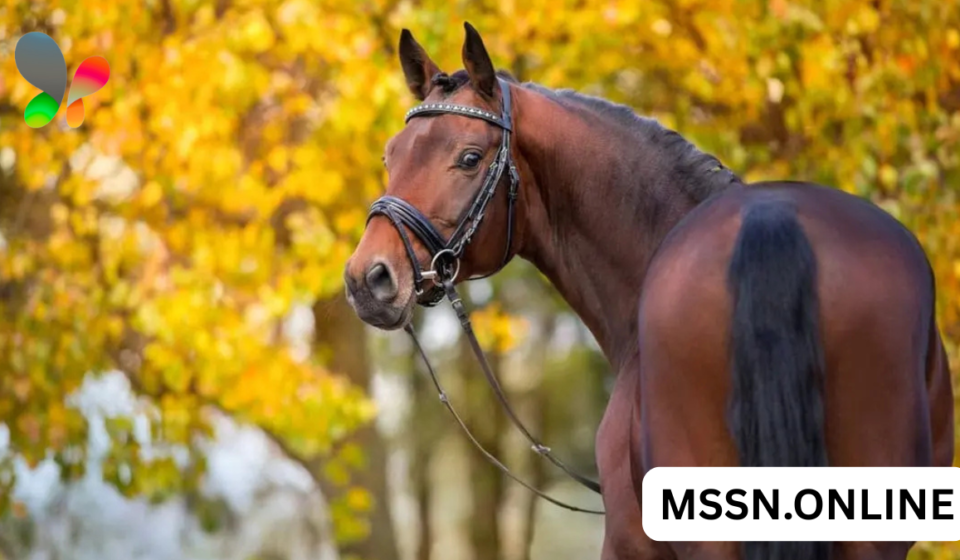

Introduction to the Danish Warmblood Horse
The Danish Warmblood horse is one of the most respected sport horse breeds in the modern equestrian world. Known for its athletic ability, elegant movement, and steady temperament, this breed has become a dominant force in dressage, show jumping, and eventing arenas worldwide. Although Denmark is a relatively small country, its influence on sport horse breeding has been enormous, and the Danish Warmblood stands as proof of careful planning, strict selection, and long-term vision.
What makes the Danish Warmblood particularly fascinating is that it is not an ancient breed formed over centuries in isolation. Instead, it is a carefully developed sport horse, built through intelligent crossbreeding of top European warmblood lines. Danish breeders focused on performance, rideability, and sound conformation rather than simply appearance. The result is a horse that is not only beautiful but also exceptionally functional.
Today, Danish Warmblood horses compete at the highest international levels. Olympic riders, World Championship competitors, and Grand Prix champions regularly rely on this breed. Yet despite their elite reputation, they remain popular among amateurs due to their trainable nature and cooperative temperament. In this guide, we will explore everything about the Danish Warmblood horse, from its history and breeding philosophy to temperament, performance, care, and future prospects.
The History and Development of the Danish Warmblood
The development of the Danish Warmblood began in the mid-20th century, although Denmark had earlier traditions of horse breeding for agriculture and cavalry. After World War II, the focus shifted toward producing high-quality sport horses suitable for the growing international equestrian competitions. Danish breeders recognized that success required access to the best bloodlines in Europe.
Initially, local Danish mares were crossed with stallions from German warmblood registries such as Hanoverian and Trakehner lines. These imports brought refinement, athleticism, and superior movement. Over time, Danish breeders became more selective and performance-oriented. Instead of breeding for quantity, they focused on producing fewer horses of higher quality. This decision helped establish a strong international reputation.
The official Danish Warmblood registry was formed in 1962. From the beginning, strict evaluation systems were implemented. Stallions had to pass performance tests, conformation assessments, and veterinary examinations before approval. Mares were also evaluated carefully. This disciplined breeding approach allowed Denmark to develop a consistent type of sport horse that could compete globally.
Breeding Philosophy and Selection Standards
The Danish Warmblood breeding philosophy revolves around one central principle: function before fashion. While the horses are undeniably elegant and attractive, beauty alone is not enough for approval within the registry. Movement quality, rideability, temperament, and soundness are all critical evaluation factors.
Stallion licensing events in Denmark are famous for their rigor. Young stallions are examined for conformation, elasticity, walk quality, canter balance, and jumping technique. They must also demonstrate trainability and a calm disposition. Veterinary screenings ensure long-term durability. Only a small percentage of candidates are approved each year, which maintains high standards.
Mares also undergo inspections. Their movement under saddle, free jumping ability, and overall structure are scored. This careful documentation allows breeders to make informed decisions. Over time, performance data from offspring is tracked to evaluate breeding success. The system creates accountability and continuous improvement within the breed.
Physical Characteristics of the Danish Warmblood

The Danish Warmblood horse typically stands between 16 and 17 hands high. It has a refined head with expressive eyes, a well-arched neck, strong shoulder angles, and a powerful hindquarter. The breed is designed for athletic performance, which means balance and proportionality are essential traits.
The topline is usually smooth and muscular, supporting advanced dressage movements and collection. The legs are strong and clean, with well-developed joints. Hooves are typically durable, reflecting generations of careful selection for soundness.
Color variations include bay, chestnut, black, and occasionally gray. While color is not the primary focus of breeding, attractive coats combined with elegant presence often give Danish Warmbloods a striking appearance in competition arenas.
Temperament and Trainability
One of the most admired traits of the Danish Warmblood is its temperament. While athleticism is critical, a difficult personality would make training nearly impossible at the highest levels. Danish breeders place significant emphasis on mental stability and willingness to work.
These horses are generally intelligent and responsive. They form strong bonds with riders and show enthusiasm for learning new tasks. Because of their balanced temperament, they are suitable for both professional riders and ambitious amateurs.
Of course, individual variation exists, and bloodlines can influence personality traits. However, overall, the breed is known for being cooperative, sensitive without being overly reactive, and eager to please. This combination makes them ideal partners in precision sports like dressage.
Danish Warmblood in Dressage
Dressage is where the Danish Warmblood truly shines. The breed’s natural elasticity, uphill movement, and powerful hind leg engagement make it particularly suited for advanced dressage movements. From collected piaffe and passage to extended trot and flying changes, Danish Warmbloods demonstrate expressive yet controlled motion.
Many international Grand Prix competitors ride Danish Warmblood horses. Their ability to combine power with softness is a major advantage in scoring. Judges reward rhythm, suppleness, and impulsion, all of which are strong characteristics of this breed.
Breeding programs in Denmark frequently prioritize dressage traits. Stallions with proven competition records often influence future generations. This focus ensures that each new generation builds upon the achievements of the last.
Danish Warmblood in Show Jumping
Although dressage may receive more attention, Danish Warmblood horses are also successful in show jumping. Their scope, careful technique, and adjustable stride make them competitive over technical courses.
Jumping lines within the breed often trace back to influential European bloodlines known for explosive power and agility. Free jumping tests during evaluations help identify promising young horses early in life.
In competition, Danish Warmblood jumpers are known for being brave yet thoughtful. They approach fences with confidence but remain rideable. This balance is crucial when navigating complex jump-off rounds at international events.
Danish Warmblood in Eventing
Eventing demands versatility. Horses must perform dressage, cross-country, and show jumping. Danish Warmbloods that excel in eventing combine stamina, courage, and athletic flexibility.
While not as numerous in eventing as in dressage, the breed has proven capable in the discipline. Strong bone structure, intelligent decision-making, and trainability allow them to adapt to the varied demands of cross-country courses.
Breeders interested in eventing often incorporate bloodlines that add endurance and boldness while maintaining refinement. The result is a balanced sport horse capable of excelling across disciplines.
Training and Development of the Danish Warmblood
Training a Danish Warmblood requires patience and structure. Because these horses are intelligent and sensitive, clear communication is essential. Positive reinforcement and consistent routines tend to produce the best results.
Young horses are typically started gradually, with emphasis on developing balance before advanced movements. Overworking a young Warmblood can risk injury or mental burnout. Danish trainers often focus on long-term development rather than quick success.
With proper management, Danish Warmblood horses can remain competitive for many years. Soundness and longevity are core goals of responsible breeding and training programs.
Nutrition and Care Requirements
Proper nutrition is critical for maintaining performance. Danish Warmblood horses require balanced diets rich in fiber, quality protein, vitamins, and minerals. Because many compete at high levels, energy intake must match workload without causing digestive stress.
Regular veterinary care, dental checks, and farrier visits are essential. Preventive care is often more effective than reactive treatment. Maintaining correct hoof balance and muscular conditioning supports athletic longevity.
Stable management also plays a role. Adequate turnout time helps preserve mental well-being. Even elite sport horses benefit from regular relaxation outside the training arena.
Health Considerations and Genetic Responsibility
The Danish Warmblood registry takes health seriously. Veterinary screenings aim to reduce hereditary issues and maintain soundness within the breed. Radiographic evaluations help identify potential structural concerns in young stallions.
Breeders are encouraged to prioritize health data when selecting mating pairs. Over time, this approach has improved overall structural integrity. Responsible breeding ensures that performance does not come at the cost of welfare.
Like all large sport horses, Danish Warmbloods may be prone to joint stress if improperly managed. Careful conditioning, correct footing, and balanced training programs help reduce risk.
Global Influence and Market Value
The Danish Warmblood has earned a strong global presence. Horses are exported worldwide, particularly to Europe and North America. International auctions showcase young prospects with impressive pedigrees and movement quality.
Market value depends on training level, bloodline, and competition record. Young, untrained horses may be accessible to ambitious amateurs, while proven Grand Prix competitors can command high prices.
The brand reputation of Danish Warmblood breeding has contributed to consistent demand. Buyers trust the registry’s evaluation standards and performance history.
The Future of the Danish Warmblood
The future of the Danish Warmblood looks promising. Advances in genetic analysis, data tracking, and international cooperation continue to refine breeding strategies. Danish breeders remain committed to maintaining strict quality standards.
Sustainability and welfare awareness are also shaping the future. Modern breeding programs aim to balance athletic excellence with ethical responsibility.
As equestrian sports evolve, the Danish Warmblood is likely to remain at the forefront. Its blend of power, elegance, intelligence, and rideability makes it one of the most complete sport horse breeds in the world.
Conclusion
The Danish Warmblood horse represents a perfect example of strategic, performance-based breeding. Developed through careful selection and international collaboration, it has become a dominant force in global equestrian sport. From dressage arenas to jumping courses, this breed consistently demonstrates athletic brilliance and mental composure.
What truly sets the Danish Warmblood apart is its balance. It is powerful yet rideable, sensitive yet stable, elegant yet strong. For riders seeking a competitive partner with long-term potential, the Danish Warmblood remains one of the most reliable and respected choices available today.
FAQs
What is a Danish Warmblood horse best known for?
It is best known for excelling in dressage and other international sport horse disciplines.
How tall is a Danish Warmblood horse?
Most Danish Warmbloods stand between 16 and 17 hands high.
Are Danish Warmblood horses suitable for beginners?
They are generally better suited for intermediate to advanced riders but can work with confident amateurs.
What colors do Danish Warmblood horses come in?
They are commonly bay, chestnut, black, or gray.
Is the Danish Warmblood good for jumping?
Yes, many Danish Warmbloods perform successfully in show jumping competitions.
Also read: Highgate Greyhounds: History, Heritage, and the Enduring Fascination with Racing Culture