

Introduction to MOD West Freugh
MOD West Freugh is one of those places that does not often make headlines, yet it plays a deeply important role in the United Kingdom’s defense and testing infrastructure. Located in southwest Scotland, this Ministry of Defence facility has evolved through decades of military innovation, technological experimentation, and strategic relevance. While it may appear quiet compared to major operational RAF bases, its contribution to testing, trials, and range operations makes it uniquely significant.
At first glance, West Freugh feels remote. That sense of isolation is not accidental. The site was chosen specifically for its geographical advantages, including open coastal airspace and controlled environments ideal for weapons testing and aviation trials. Over time, the base transitioned from an operational airfield to a specialist test and evaluation site, focusing on systems that require precision, security, and minimal civilian interference.
Understanding MOD West Freugh requires looking beyond the surface. It is not merely an airstrip or testing range; it is a highly specialized facility that supports advanced aerospace engineering, weapons trials, unmanned systems evaluation, and maritime testing. Its continued operation highlights the UK’s emphasis on maintaining cutting-edge defense capabilities while leveraging historical infrastructure.
Geographic Location and Strategic Importance
MOD West Freugh is situated near the Machars peninsula in Dumfries and Galloway, Scotland. Its coastal positioning offers direct access to expansive maritime zones, which is invaluable for missile testing and over-water trials. The surrounding region is sparsely populated, providing a safe buffer zone that significantly reduces risk during experimental operations.
The geography is more than just convenient; it is strategic. The open sea to the south allows for controlled test corridors where projectiles, drones, and experimental systems can be monitored without endangering commercial air or sea traffic. Additionally, the varied Scottish weather conditions offer a natural testing environment for systems designed to perform in harsh climates.
From a defense planning perspective, the location also offers a layer of security. Remote yet accessible, West Freugh can operate discreetly while still maintaining logistical connections to broader UK defense networks. This balance between isolation and integration has allowed the facility to remain relevant even as modern defense requirements evolve.
Historical Foundations of West Freugh
The origins of West Freugh date back to the early twentieth century. Established during the First World War era, the site was initially developed as an airship station. The British military at the time was investing heavily in aerial reconnaissance and anti-submarine patrol capabilities, and coastal Scotland provided an ideal staging ground.
During the interwar years, the airfield evolved to accommodate fixed-wing aircraft. By the time the Second World War began, West Freugh was actively supporting aviation training and operational sorties. It became known for its role in torpedo trials and experimental aircraft testing, cementing its reputation as a specialist site rather than a standard operational base.
After the war, the airfield transitioned away from routine combat operations and increasingly focused on experimental and evaluation work. This shift laid the groundwork for its modern identity as a test and evaluation center. The transformation reflects a broader trend in military infrastructure, where certain sites adapt to niche roles to maximize strategic efficiency.
Role During World War II
During World War II, West Freugh played a significant role in testing torpedoes and other maritime weapon systems. The Royal Air Force utilized the site to conduct experiments aimed at improving naval strike capabilities. Given Britain’s reliance on sea power, refining anti-ship weaponry was critical to wartime strategy.
The airfield also supported training missions for aircrews learning to deploy torpedoes effectively. This was not a simple task. Torpedo delivery required precise altitude control, timing, and approach angles. The relative seclusion of West Freugh allowed crews to train intensively without the risks associated with busier airspace.
Furthermore, the base’s coastal test ranges enabled live firing exercises over water. These exercises contributed directly to operational improvements that benefited Allied forces. In many ways, West Freugh quietly influenced maritime warfare effectiveness during one of the most critical periods in modern history.
Post-War Transformation and Modernization
Following World War II, military priorities shifted from large-scale conflict to Cold War preparedness and technological innovation. West Freugh adapted accordingly. Rather than focusing solely on aircraft operations, it increasingly became a site for weapons testing and advanced trials.
The Cold War era saw the introduction of radar systems, missile technologies, and electronic warfare equipment that required controlled testing environments. West Freugh’s established infrastructure made it an attractive location for such activities. The facility underwent modernization efforts to support these new capabilities, including upgrades to instrumentation and telemetry systems.
As defense budgets and operational needs evolved, West Freugh maintained its relevance by specializing. It did not compete with major airbases like those dedicated to fighter squadrons. Instead, it refined its role as a technical proving ground. That strategic focus ensured its survival and continued importance into the twenty-first century.
Airfield Infrastructure and Facilities
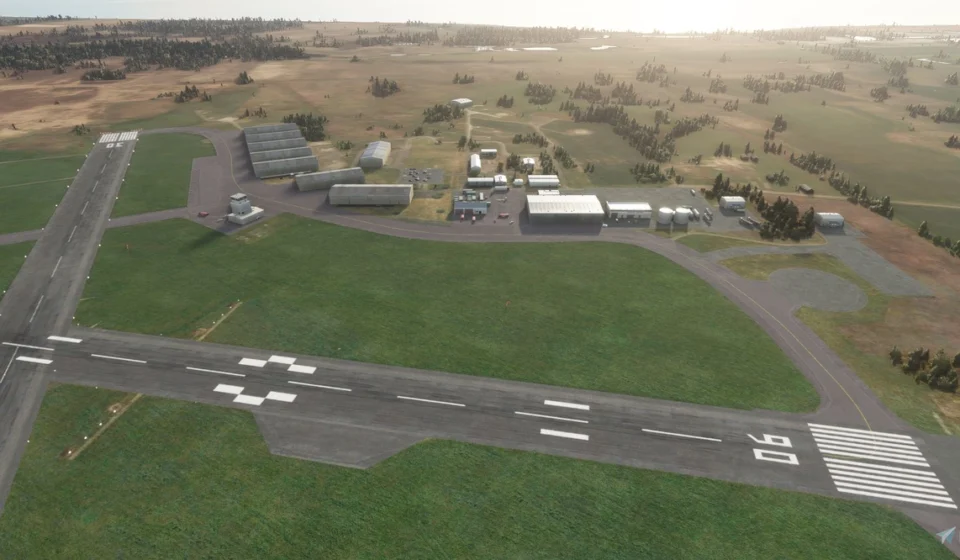
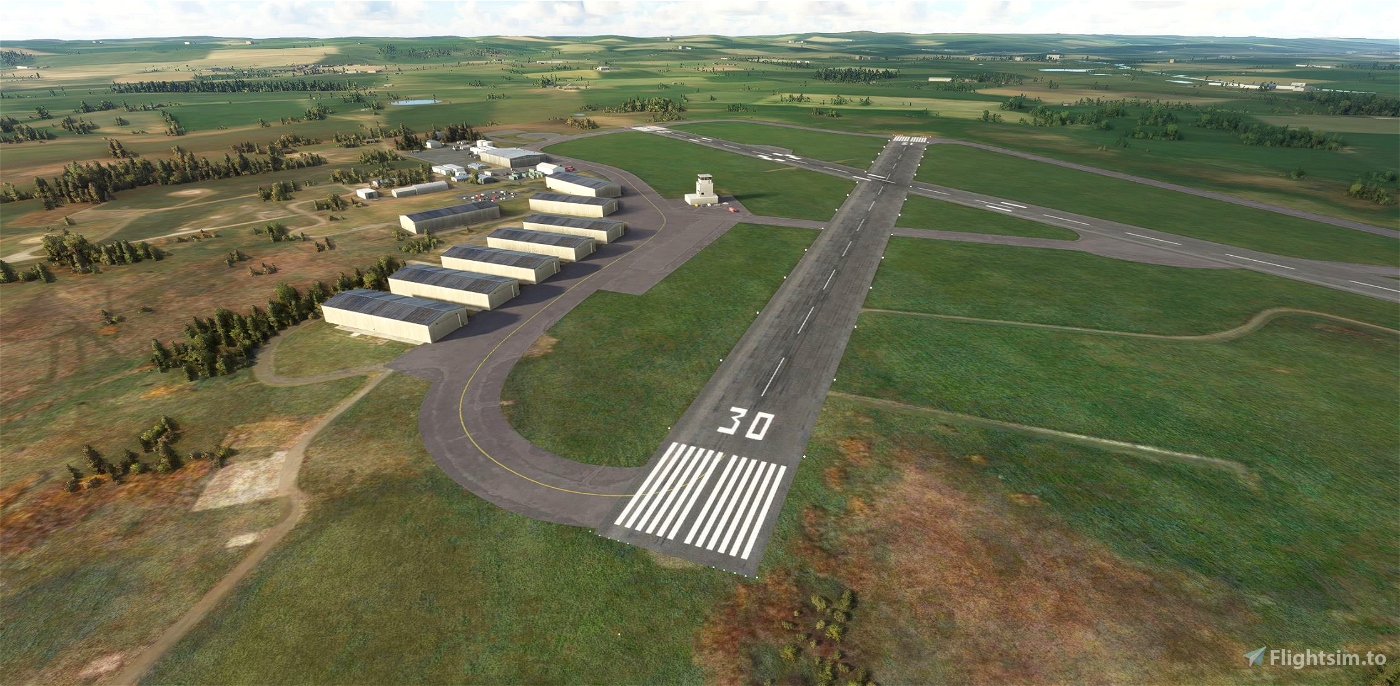
The airfield itself includes runways capable of accommodating a range of aircraft types, although it is no longer used for large-scale operational squadrons. Instead, its infrastructure supports test flights, drone operations, and specialist aircraft trials. The runway layout, combined with adjacent range facilities, allows seamless transitions between takeoff, test execution, and recovery.
In addition to the runways, the site includes advanced telemetry tracking systems. These systems monitor projectiles, drones, and experimental equipment in real time, providing engineers and military planners with detailed performance data. This data-driven approach is central to modern defense development.
Support facilities at West Freugh also include maintenance hangars, control rooms, and secure storage areas. These components collectively create a controlled ecosystem where experimentation can occur safely and efficiently. The integration of airfield and maritime testing areas gives West Freugh a dual-domain capability that few facilities possess.
Testing and Evaluation Capabilities
One of the defining characteristics of MOD West Freugh is its specialization in testing and evaluation. The site supports trials for weapons systems, unmanned aerial vehicles, and surveillance technologies. These activities are conducted under strict safety protocols to ensure both operational success and environmental responsibility.
The maritime range is particularly notable. It enables over-water testing of missiles and other systems, allowing realistic simulations of operational conditions. Engineers can analyze trajectory, impact, and system reliability under controlled but authentic scenarios.
West Freugh also contributes to collaborative projects involving defense contractors and research organizations. By providing a secure and technically capable environment, the site supports innovation across multiple sectors. This blend of military and industrial collaboration strengthens the broader defense ecosystem.
Environmental and Community Considerations
Operating a military testing facility in a rural area requires careful environmental management. West Freugh’s operators work to minimize ecological disruption while maintaining operational readiness. Environmental assessments are conducted regularly to ensure compliance with national regulations.
The local community in Dumfries and Galloway has historically coexisted with the facility. While testing activities can generate noise, transparent communication and structured scheduling help mitigate concerns. Employment opportunities connected to the base also contribute to the regional economy.
Balancing operational requirements with environmental stewardship is an ongoing process. West Freugh’s continued operation demonstrates that defense activities and environmental responsibility can coexist when managed thoughtfully and transparently.
Technological Innovation and Future Outlook
Looking ahead, MOD West Freugh is positioned to play a role in emerging defense technologies. The rise of autonomous systems, advanced missile platforms, and integrated surveillance networks requires secure testing environments. West Freugh’s infrastructure is well suited to these demands.
Unmanned systems testing is likely to become increasingly prominent. Drones and remotely operated platforms require both airspace and maritime zones for comprehensive evaluation. The dual-domain nature of West Freugh gives it a unique advantage in this regard.
The future of the facility will depend on strategic priorities and investment decisions. However, its adaptability over the past century suggests that it will continue evolving. By focusing on niche capabilities rather than mass operations, West Freugh exemplifies how legacy sites can remain vital in a modern defense framework.
Conclusion
MOD West Freugh may not be widely known outside defense circles, but its contribution to British military capability is substantial. From its early days as an airship station to its modern role as a testing and evaluation hub, the site has consistently adapted to meet changing strategic needs.
Its remote coastal location, advanced telemetry systems, and integrated maritime testing areas make it uniquely suited for specialized trials. Over decades, it has supported innovations that enhance national security and operational readiness.
In a world where technological advancement defines military strength, facilities like West Freugh serve as quiet enablers of progress. They provide the space, infrastructure, and expertise necessary to transform concepts into reliable capabilities. As defense challenges evolve, MOD West Freugh stands as a testament to adaptability, specialization, and enduring strategic value.
FAQs
What is MOD West Freugh used for?
It is primarily used for military testing and evaluation of weapons systems, aircraft technologies, and maritime trials.
Where is MOD West Freugh located?
It is located in Dumfries and Galloway in southwest Scotland.
Did West Freugh operate during World War II?
Yes, it supported torpedo testing and aviation training during the war.
Is MOD West Freugh still active today?
Yes, it continues to function as a specialist testing and evaluation facility.
Why is its coastal location important?
The coastal setting allows safe over-water testing of missiles and other defense systems.
You may also read