

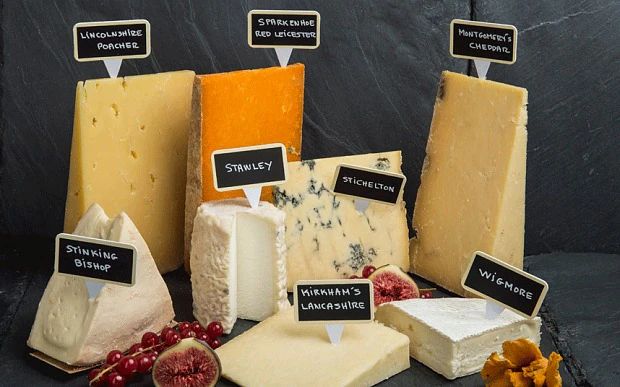

Introduction to UK Cheese Types
When people think about the United Kingdom, they often imagine afternoon tea, rolling green hills, and historic castles. But for food lovers, one of the country’s most impressive treasures is its cheese. The variety of UK cheese types is remarkable, ranging from crumbly territorial classics to creamy blues and washed-rind wonders. Britain produces hundreds of distinct cheeses, each shaped by local climate, farming traditions, and centuries of craftsmanship.
Cheesemaking in the UK is not a modern trend; it is a deeply rooted tradition that stretches back more than a thousand years. Monks in medieval monasteries refined early techniques, while rural farmhouses developed unique regional styles that still define British cheese today. Even during periods when industrial production dominated the market, artisan cheesemakers preserved heritage recipes and methods.
Today, the UK is experiencing something of a cheese renaissance. Small-scale producers, farmstead dairies, and innovative cheesemakers are bringing renewed attention to traditional varieties while also experimenting with new textures and flavors. Understanding UK cheese types means exploring geography, history, milk science, and culture all at once.
The History of Cheesemaking in the UK
Cheese has been made in Britain since at least Roman times. Archaeological evidence suggests that early Britons were already curdling milk and preserving it in basic forms. When the Romans arrived, they introduced more advanced cheesemaking tools and techniques, which significantly influenced local production methods.
During the Middle Ages, monasteries became centers of agricultural innovation, including cheesemaking. Monks documented processes, improved aging techniques, and helped standardize certain varieties. Many well-known UK cheese types, such as Cheddar and Cheshire, can trace their origins back to this era, even if the modern versions evolved over time.
The Industrial Revolution transformed British cheese production. Railways allowed cheese to travel further, creating national markets. Large-scale factories emerged, producing consistent but often less complex products. However, the late 20th century saw a revival of farmhouse and artisan cheeses. This movement restored diversity and brought renewed appreciation for traditional regional varieties.
The Importance of Regional Identity
One of the defining features of UK cheese types is their strong regional identity. Just as wine reflects terroir, cheese reflects the soil, grass, and climate of the region where the milk is produced. The lush pastures of Somerset yield milk that produces a distinct style of Cheddar, while the cooler, wetter climate of Wales contributes to the character of its traditional cheeses.
Many British cheeses are protected by designations that safeguard their authenticity. These protections ensure that certain cheeses must be produced in specific regions and according to traditional methods. This preserves not only flavor but also cultural heritage and local economies.
Regional pride plays a significant role in British cheese culture. Local food festivals, farmers’ markets, and agricultural shows celebrate these cheeses. In many communities, cheese is more than food; it is a symbol of history and identity passed down through generations.
Cheddar: The King of UK Cheese Types
No discussion of UK cheese types would be complete without Cheddar. Originating in the village of Cheddar in Somerset, this cheese has become one of the most widely produced and consumed cheeses in the world. Despite its global fame, authentic farmhouse Cheddar remains a distinct and highly respected product.
Traditional Cheddar is made using a process called “cheddaring,” where curds are cut, stacked, and turned to expel whey and develop texture. This method contributes to its firm body and complex flavor. As it ages, Cheddar develops nutty, sharp, and sometimes slightly caramelized notes.
Cheddar can range from mild and creamy to intensely mature and crumbly. Extra mature versions may develop small calcium lactate crystals, which add a pleasant crunch. While mass-produced Cheddar dominates supermarket shelves, artisan producers continue to craft exceptional versions that showcase the true depth of this iconic cheese.
Stilton: Britain’s Blue Treasure
Stilton is perhaps the most famous blue cheese among UK cheese types. It is known for its rich, creamy texture and striking blue veins. Unlike many cheeses named after their place of origin, Stilton cannot actually be made in the village of Stilton; instead, it is produced in specific counties including Derbyshire, Leicestershire, and Nottinghamshire.
The cheese is made from cow’s milk and pierced during aging to allow air into the interior, encouraging the growth of blue mold veins. The result is a bold yet balanced flavor that combines creamy sweetness with earthy, slightly spicy undertones.
Stilton is often associated with festive occasions, particularly Christmas, when it is traditionally served with port wine. However, it is versatile enough to be used in cooking, from sauces and soups to salads and savory pastries.
Red Leicester: A Bold and Colorful Classic
Red Leicester is another historic member of UK cheese types. Its distinctive orange-red color comes from the addition of annatto, a natural coloring derived from seeds. Originally, this cheese was made with milk from cows that grazed on carotene-rich grass, giving it a naturally golden hue.
Compared to Cheddar, Red Leicester has a slightly more crumbly texture and a sweet, nutty flavor. As it matures, it becomes firmer and develops deeper savory notes. Its vibrant color makes it visually striking on a cheeseboard.
In recent years, artisan producers have elevated Red Leicester’s reputation by focusing on longer aging and traditional techniques. Properly matured versions can rival the complexity of high-quality Cheddar.
Cheshire: Crumbly and Fresh
Cheshire is one of the oldest recorded UK cheese types, with references dating back to the Domesday Book of 1086. It is traditionally made in the county of Cheshire and surrounding areas. The cheese is known for its crumbly texture and fresh, slightly tangy flavor.
Unlike many hard cheeses that require long aging, Cheshire can be enjoyed relatively young. However, aged versions develop greater depth and a firmer consistency. There are also variations, including white, red, and blue Cheshire.
Cheshire’s mild acidity makes it particularly refreshing. It pairs well with fruit, chutneys, and light wines. Its crumbly nature also makes it easy to incorporate into salads and baked dishes.
Wensleydale: Creamy and Versatile
Wensleydale hails from North Yorkshire and has a long monastic history. Traditionally made by Cistercian monks, this cheese became a regional specialty and remains a beloved part of British culinary heritage.
Classic Wensleydale is moist, crumbly, and slightly sweet with a fresh, lactic flavor. It is often paired with fruits like cranberries or apricots, which complement its mild tanginess. These flavored versions have become popular, though purists often prefer the traditional style.
Wensleydale’s gentle character makes it accessible to those new to UK cheese types. It is excellent in sandwiches, salads, and desserts, demonstrating its versatility beyond the cheeseboard.
Lancashire: Creamy and Complex
Lancashire cheese is made using a unique method that blends curds from multiple days of production. This technique creates a layered flavor profile that evolves as the cheese matures. There are three main types: Creamy Lancashire, Tasty Lancashire, and Crumbly Lancashire.
Creamy Lancashire is mild and moist, ideal for melting. Tasty Lancashire has a more pronounced flavor and firmer texture. Crumbly Lancashire, aged the longest, develops a sharper tang.
Lancashire’s adaptability has helped it endure through changing food trends. It remains a staple in traditional dishes such as cheese and onion pie, showcasing its melting qualities.
Double Gloucester: Rich and Smooth
Double Gloucester is a full-fat cheese made from cow’s milk. Historically, it was made with the rich milk from Gloucester cattle, contributing to its creamy texture and buttery flavor.
The cheese has a firm yet smooth body and a mellow, nutty taste. It is often colored with annatto, similar to Red Leicester. Double Gloucester is also associated with the annual cheese rolling event at Cooper’s Hill, a quirky tradition that has gained international attention.
On a cheeseboard, Double Gloucester offers balance. It is neither too sharp nor too mild, making it an excellent companion to crackers and ales.
Blue British Cheeses Beyond Stilton
While Stilton may be the most famous, it is far from the only blue among UK cheese types. Britain produces numerous blue cheeses, each with distinct characteristics. Some are creamy and mild, while others are bold and pungent.
These cheeses are typically made by introducing Penicillium cultures and allowing controlled mold growth. The resulting veins contribute both flavor and visual appeal. The balance between salt, creaminess, and blue intensity varies widely.
Blue cheeses from the UK pair beautifully with sweet accompaniments like honey and figs. They also shine in sauces, particularly when melted into steak or pasta dishes.
Washed-Rind and Artisan Innovations
In recent decades, British cheesemakers have embraced continental techniques, producing washed-rind cheeses with pungent aromas and supple interiors. These cheeses are washed in brine or other solutions during aging, encouraging specific bacterial growth.
The result is a sticky rind and a strong scent, often accompanied by a surprisingly delicate interior. These modern UK cheese types reflect the creativity and confidence of contemporary producers.
Artisan innovation does not stop at washed rinds. Some producers experiment with raw milk, mixed milks, and unique aging environments. This experimentation ensures that the future of British cheese remains dynamic and exciting.
Sheep’s Milk and Goat’s Milk Cheeses
Although cow’s milk dominates UK cheese types, sheep’s and goat’s milk cheeses are increasingly popular. Sheep’s milk cheeses tend to be rich and buttery, with higher fat content contributing to a luxurious mouthfeel.
Goat’s milk cheeses often have a tangy, fresh character. They range from soft, spreadable logs to aged, firm wheels with complex flavors. These cheeses appeal to consumers seeking alternatives to traditional cow’s milk varieties.
The growth of these cheeses reflects broader changes in consumer preferences. Many people are exploring new flavors, dietary options, and artisanal products, creating opportunities for diversification.
How UK Cheese Is Made
The cheesemaking process begins with milk, which is heated and combined with cultures and rennet. This causes the milk to coagulate, forming curds and whey. The curds are then cut, drained, and shaped.
Each step influences the final texture and flavor. The size of the curd pieces, the temperature, and the aging conditions all play critical roles. Even small variations can produce dramatically different results.
Aging, or affinage, is where much of the magic happens. Controlled humidity and temperature allow flavors to develop. Some cheeses are turned regularly, others are brushed or washed. The skill of the cheesemaker and affineur determines the ultimate quality.
Pairing UK Cheese Types with Food and Drink
Pairing cheese is both an art and a science. Mature Cheddar pairs beautifully with cider or robust red wine. Blue cheeses complement sweet wines or port. Fresh, crumbly cheeses go well with light whites or sparkling wines.
Bread and crackers provide a neutral base, but accompaniments like chutney, pickles, and fresh fruit can enhance flavor. The goal is balance: sweet with salty, creamy with crisp, sharp with mellow.
British ales are particularly well suited to UK cheese types. The malty notes in beer often echo the nutty flavors in aged cheeses, creating harmonious combinations.
The Future of UK Cheese
The future of UK cheese types looks promising. Consumer interest in local, sustainable, and artisan foods continues to grow. Cheesemakers are responding with innovative products while honoring tradition.
Environmental considerations are also shaping the industry. Sustainable farming practices, animal welfare, and reduced food miles are becoming priorities. Many producers emphasize transparency and traceability.
Education plays a role as well. Cheese tastings, farm tours, and online platforms help consumers understand the diversity and craftsmanship behind each wheel. As knowledge spreads, appreciation deepens.
Conclusion
Exploring UK cheese types is like taking a journey through Britain’s landscapes and history. From the caves of Somerset to the rolling hills of Yorkshire, each region contributes something unique. The range is vast: sharp Cheddar, creamy Stilton, crumbly Cheshire, and innovative artisan creations.
What makes British cheese truly special is the balance between tradition and innovation. Centuries-old methods coexist with modern experimentation. This blend ensures that UK cheese remains relevant, diverse, and globally respected.
For anyone interested in food, culture, or craftsmanship, British cheese offers endless discovery. Whether enjoyed on a simple sandwich or a curated cheeseboard, these cheeses tell a story of heritage, passion, and flavor.
FAQs
What is the most famous UK cheese type?
Cheddar is the most famous and widely consumed British cheese.
Is Stilton the only blue cheese in the UK?
No, the UK produces many blue cheeses beyond Stilton.
Are UK cheeses protected by law?
Some traditional varieties have protected status to preserve authenticity.
What milk is commonly used in UK cheese types?
Most are made from cow’s milk, but goat’s and sheep’s milk are also used.
Can UK cheeses be used in cooking?
Yes, many varieties melt well and enhance both savory and sweet dishes.
You may also read