

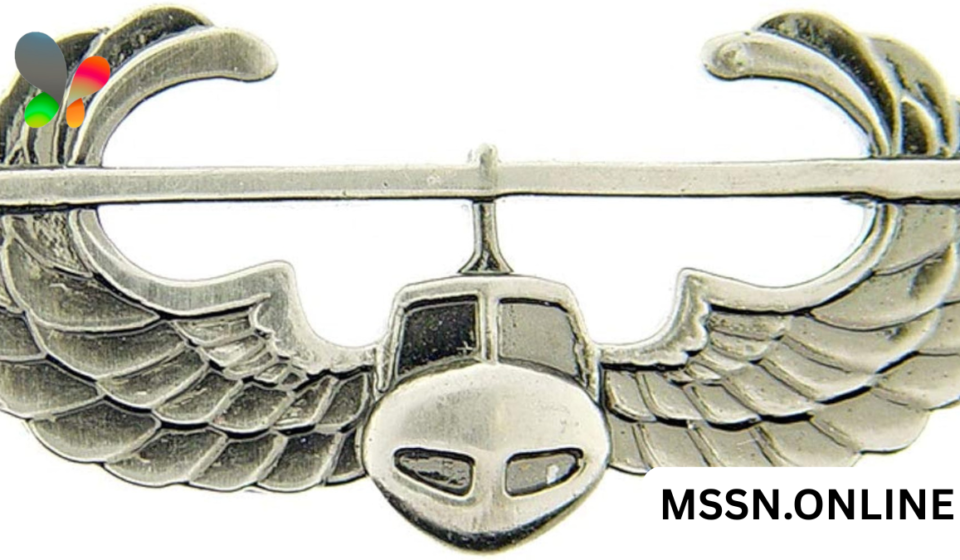

Introduction to the Air Assault Pin
The Air Assault Pin is far more than a simple piece of metal worn on a military uniform. It is a powerful symbol of discipline, endurance, and elite training within the modern military environment. For many soldiers, earning this pin represents one of the toughest accomplishments early in their careers, while for others it becomes a lifelong reminder of resilience and professional growth. Unlike decorative awards that may recognize long-term service, the Air Assault Pin is directly tied to a demanding training course that tests both mental strength and physical capability.
At first glance, the pin might appear small, but its significance is enormous. Soldiers who wear it are instantly recognized as individuals who have successfully completed one of the most challenging schools focused on helicopter operations and combat mobility. The badge communicates readiness, precision, and the ability to function effectively in high-pressure environments. In military culture, these subtle visual indicators often carry deep meaning, shaping how peers and leaders perceive a soldier’s commitment to excellence.
Understanding the Air Assault Pin also means understanding the modern battlefield. Warfare has evolved dramatically, with helicopters playing a critical role in troop movement, supply drops, rescue missions, and rapid deployment. The Air Assault course prepares soldiers for exactly these realities, ensuring they can operate safely around aircraft and execute missions efficiently. The pin therefore represents more than training—it represents preparedness for the complexities of contemporary combat scenarios.
The History Behind the Air Assault Pin
The origins of the Air Assault Pin are closely tied to the evolution of air mobility within military strategy. During the mid-20th century, military leaders recognized that helicopters could fundamentally transform how troops were deployed and supported in the field. Instead of relying solely on ground transportation, soldiers could be inserted directly into strategic locations, often behind enemy lines or in terrain that would otherwise be inaccessible. This shift required specialized training, and eventually, a formal recognition for those who mastered it.
The Vietnam War played a major role in shaping air assault doctrine. Helicopters became essential tools for rapid troop deployment, medical evacuation, and logistical support. Soldiers had to learn new skills quickly, from safely approaching aircraft to rigging equipment for aerial transport. As these practices became standardized, military institutions realized the importance of creating a structured training program. The Air Assault School emerged from this need, and with it came the badge that would symbolize successful completion.
Over time, the Air Assault Pin developed a reputation for representing grit and determination. Unlike some qualifications that focus primarily on classroom instruction, Air Assault training demands hands-on expertise and relentless physical effort. The badge became associated with soldiers who were not only technically competent but also mentally tough. Today, it stands as a testament to decades of evolving military tactics and the continued importance of air mobility in global defense operations.
What the Air Assault Pin Looks Like and What It Symbolizes
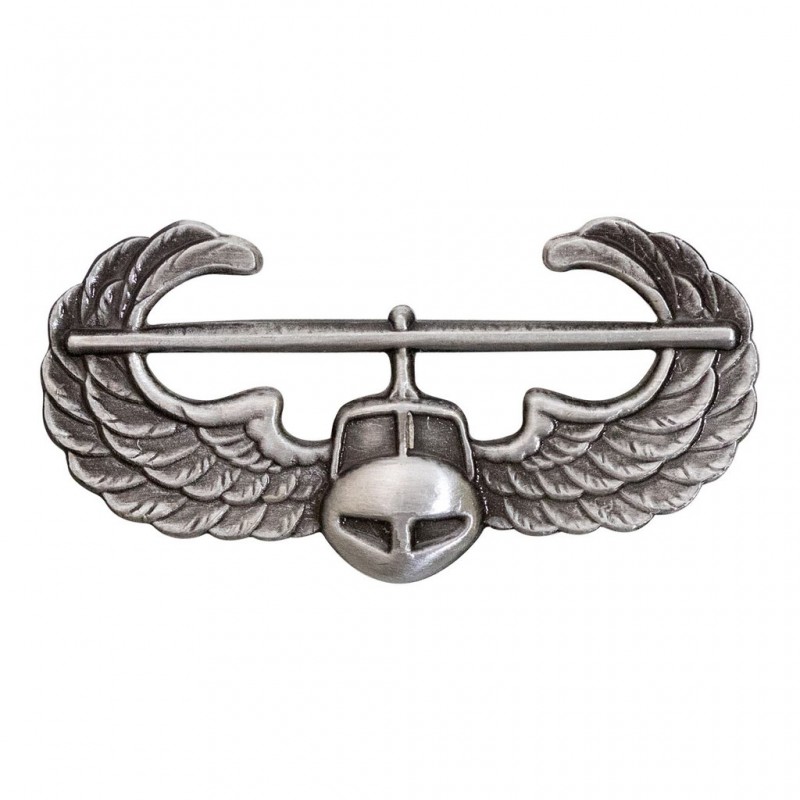
The design of the Air Assault Pin is intentionally simple yet deeply meaningful. Typically featuring a helicopter as its central element, the badge immediately communicates its connection to air mobility. The aircraft is not merely decorative—it symbolizes speed, adaptability, and the ability to strike or support forces wherever needed. Soldiers who wear the pin carry that symbolism with them, representing operational readiness at all times.
Beyond the helicopter imagery, the compact structure of the badge reflects the precision expected from those who earn it. There is no room for excess, just as there is no room for error during real-world air assault missions. Every movement around an aircraft must be deliberate, every procedure followed exactly. The badge quietly reinforces this mindset, reminding soldiers of the standards they have sworn to uphold.
Another important aspect of the pin’s symbolism is credibility. In military settings, visual qualifications matter because they instantly communicate experience. Leaders often scan uniforms to understand the capabilities within their units. When they see the Air Assault Pin, they know that soldier has been trained in sling-load operations, helicopter safety, and rapid deployment techniques. It becomes a mark of trust—evidence that the wearer can be relied upon when missions demand specialized knowledge.
Air Assault School: The Gateway to the Pin
Air Assault School is widely regarded as one of the most demanding short-duration training programs available to soldiers. Typically lasting about ten days, the course compresses an enormous amount of learning into a relatively brief period. From the moment candidates arrive, they are immersed in a high-tempo environment where expectations are crystal clear: perform to standard or risk immediate dismissal from the course.
The training is divided into carefully structured phases, each building upon the last. Soldiers begin by learning aircraft safety procedures, including how to approach, board, and exit helicopters without endangering themselves or others. These lessons might sound straightforward, but they require intense focus because the margin for error is extremely small. Rotating blades, powerful winds, and heavy equipment create an inherently hazardous environment. Mastery is not optional—it is essential.
As the course progresses, candidates are introduced to sling-load operations, one of the most technically challenging aspects of the program. This involves attaching equipment beneath helicopters so it can be transported through the air. Soldiers must memorize weight limits, rigging configurations, and inspection procedures. Instructors often test candidates with timed evaluations, ensuring they can perform under pressure. By the end of the school, those who remain have demonstrated both technical competence and the mental resilience needed for complex missions.
The Physical Demands of Earning the Air Assault Pin
Physical fitness plays a central role in Air Assault training. Soldiers are expected to arrive in excellent condition, yet many still find the course pushes them beyond their perceived limits. Early mornings, long training days, and constant movement create a level of fatigue that tests even seasoned service members. It is not uncommon for candidates to discover that the mental challenge is just as intense as the physical one.
One of the most well-known components of the course is the ruck march. Carrying heavy gear across significant distances requires endurance, pacing, and mental determination. The march is not merely about finishing—it is about finishing within strict time requirements. Soldiers must manage their energy carefully while maintaining a steady pace, often battling sore muscles and blistered feet along the way.
Obstacle courses and confidence-building exercises further reinforce the program’s physical rigor. Rope climbs, rappelling towers, and high platforms force candidates to confront both physical strain and psychological barriers. Fear of heights, for example, can become a major hurdle during rappelling exercises. Yet overcoming these fears is part of the transformation the course is designed to produce. By the time soldiers earn the Air Assault Pin, they have proven their ability to perform under demanding conditions.
Mental Toughness: The Hidden Requirement
While the physical elements of Air Assault School are widely discussed, the psychological challenge is equally significant. Candidates must absorb large volumes of technical information in a short time and recall it accurately during evaluations. Written exams, hands-on inspections, and instructor questioning all require intense concentration. A single mistake can result in failure, which keeps stress levels consistently high.
Time management becomes a critical skill throughout the course. Soldiers often juggle equipment preparation, study sessions, and physical recovery within limited downtime. Learning how to prioritize tasks can make the difference between success and starting over at a future course. This constant balancing act mirrors real-world military operations, where quick thinking and organization are essential.
Perhaps the most important mental trait cultivated during training is resilience. Not every moment goes smoothly, and setbacks are inevitable. What matters is how candidates respond. Those who adapt, maintain composure, and keep pushing forward are the ones most likely to graduate. In this sense, the Air Assault Pin represents emotional strength just as much as physical capability.
Rappelling: A Signature Skill
Rappelling is often the first image people associate with Air Assault training, and for good reason. Descending from a helicopter or tower requires trust—in the equipment, in the instructors, and in oneself. The initial step off the platform can feel unnatural, even intimidating. Yet once soldiers commit, they quickly learn that proper technique ensures a controlled and safe descent.
Training begins on towers before progressing to helicopter-based rappels. This gradual approach allows candidates to build confidence while refining their form. Instructors emphasize body positioning, braking methods, and communication signals. Every detail matters because small errors can lead to serious consequences. Repetition helps transform these procedures into instinctive actions.
Beyond the technical aspect, rappelling fosters a mindset of controlled courage. Soldiers learn that fear is normal, but it must be managed rather than obeyed. This lesson carries over into countless military scenarios where decisive action is required despite uncertainty. When soldiers look at their Air Assault Pin later in their careers, many remember the moment they stepped backward into open air—and realized they were capable of more than they imagined.
Sling Load Operations: Precision in Motion
Sling load training is arguably one of the most intellectually demanding portions of the Air Assault course. Soldiers must memorize detailed procedures for attaching cargo to helicopters, ensuring it remains stable during flight. The stakes are high; improperly secured loads can damage equipment, endanger aircraft, or jeopardize entire missions.
The process begins with understanding weight calculations and load capacities. Candidates must know exactly how much each helicopter can carry and how different configurations affect balance. From there, they learn to assemble rigging equipment using specific knots, chains, and connectors. Inspections are meticulous, with instructors evaluating every inch of the setup.
What makes sling load operations particularly challenging is the combination of speed and accuracy required during testing. Soldiers often perform these tasks against the clock while being closely observed. There is little room for hesitation. Successfully completing this phase demonstrates a soldier’s ability to think critically under pressure—a trait that aligns perfectly with the values symbolized by the Air Assault Pin.
Who Can Earn the Air Assault Pin?
The opportunity to attend Air Assault School is typically open to a wide range of soldiers, but acceptance is not automatic. Units often select candidates based on physical readiness, professional performance, and the likelihood that the training will benefit their operational role. Preparation begins long before the course starts, with many soldiers increasing their fitness routines and studying relevant material.
Although the course is demanding, it is designed to be achievable for those who commit fully. Soldiers from various specialties attend, creating an environment rich with shared learning. Engineers, infantry members, medics, and support personnel all bring unique perspectives, yet they are united by a common goal: earning the badge. This diversity strengthens teamwork, which becomes essential during group tasks.
Importantly, the Air Assault Pin is not limited to elite units. Its accessibility reinforces the idea that excellence is attainable through effort. Any soldier willing to train rigorously and maintain discipline has a chance to succeed. This inclusivity contributes to the badge’s prestige, as it reflects determination rather than exclusivity.
The Professional Benefits of Wearing the Air Assault Pin
In military careers, qualifications often influence opportunities. The Air Assault Pin can enhance a soldier’s professional profile by signaling specialized training and a proactive attitude toward development. Leaders frequently look for individuals who demonstrate initiative, and completing a challenging course sends exactly that message.
The badge may also open doors to assignments that involve air mobility operations. Units conducting helicopter-based missions benefit from having trained personnel who understand safety protocols and logistical procedures. Soldiers with this qualification can integrate more seamlessly into such environments, making them valuable assets during planning and execution phases.
Beyond practical advantages, the pin contributes to personal confidence. Knowing that one has conquered a demanding course fosters a sense of capability that extends into other areas of service. This confidence can influence leadership potential, encouraging soldiers to step forward during critical moments. Over time, the Air Assault Pin becomes part of a broader narrative of professional growth.
Common Challenges Candidates Face
Despite careful preparation, many candidates encounter obstacles during Air Assault School. Fatigue is perhaps the most universal challenge. Consecutive days of intense activity can gradually wear down even the most motivated individuals. Managing sleep, hydration, and nutrition becomes essential for maintaining performance.
Another frequent difficulty is information overload. The course introduces numerous technical concepts within a compressed timeframe, leaving little margin for forgetfulness. Soldiers must develop effective study habits, often reviewing material late into the evening despite physical exhaustion. This dedication highlights the level of commitment required to earn the badge.
Weather conditions can add an unpredictable element as well. Training continues in various environments, exposing candidates to heat, cold, rain, or wind. Learning to adapt is part of the process, reinforcing the reality that missions rarely occur under perfect circumstances. Those who persevere through these challenges emerge with a deeper appreciation for the significance of the Air Assault Pin.
Preparing for Air Assault School
Preparation is the hidden foundation of success. Soldiers who arrive with strong cardiovascular endurance and muscular stamina tend to handle the physical demands more effectively. Activities such as long-distance running, weighted marches, and functional strength training can significantly improve readiness. Consistency is key; sporadic workouts rarely provide the resilience needed for the course.
Equally important is mental preparation. Familiarizing oneself with basic air assault concepts ahead of time can ease the learning curve. While the course will teach everything required, prior exposure allows candidates to absorb details more quickly. Confidence grows when the material feels somewhat familiar rather than entirely new.
Packing appropriately also plays a role in readiness. Well-fitted boots, properly adjusted gear, and attention to small details can prevent unnecessary discomfort. Experienced soldiers often emphasize that success begins with preparation long before stepping onto the training grounds. The Air Assault Pin may be awarded at the end, but the journey starts weeks—or even months—earlier.
The Culture Surrounding the Air Assault Pin
Military culture places great value on shared hardship. Completing a difficult course creates bonds among graduates that can last throughout their careers. Conversations often begin with stories from training—early mornings, demanding inspections, and the moment the badge was finally awarded. These shared experiences contribute to a sense of belonging within the broader military community.
The pin also carries a quiet respect. It is not typically associated with flamboyance; rather, it reflects steady professionalism. Soldiers who wear it rarely need to explain its meaning because others understand the effort behind it. This unspoken recognition strengthens camaraderie and reinforces collective standards.
Interestingly, the culture surrounding the badge often encourages humility. Graduates know how challenging the course can be, and many remember moments when they questioned their own limits. This awareness fosters empathy toward those currently undergoing training and admiration for anyone willing to attempt it.
Misconceptions About the Air Assault Pin
One common misconception is that the Air Assault Pin is purely about physical strength. While fitness is undeniably important, the course demands far more. Technical knowledge, attention to detail, and mental endurance are equally critical. Some highly athletic candidates struggle if they underestimate the academic components.
Another misunderstanding is that the badge guarantees expertise in all aviation-related operations. In reality, it signifies foundational competence rather than mastery. Graduates are prepared to operate safely and effectively, but continued experience is necessary for deeper specialization. Recognizing this distinction helps maintain realistic expectations.
There is also a tendency among outsiders to compare military badges without fully understanding their unique purposes. Each qualification serves a specific operational need, and the Air Assault Pin is focused on mobility and helicopter integration. Appreciating it on its own terms allows its true value to shine through.
The Emotional Moment of Graduation
Graduation day is often described as both triumphant and reflective. After days of relentless effort, candidates stand together knowing they have accomplished something significant. Receiving the Air Assault Pin becomes a tangible acknowledgment of that journey. For many, it is a moment they will replay in their minds for years to come.
Leaders and instructors frequently emphasize that the badge is not an endpoint but a beginning. The skills learned must now be applied in real-world contexts, where lives and missions may depend on them. This reminder adds weight to the celebration, blending pride with a renewed sense of responsibility.
Families and fellow soldiers often share in the excitement, recognizing the dedication required to reach this milestone. Whether displayed on a uniform or carefully stored as a keepsake, the pin represents a chapter of growth—proof that perseverance can transform daunting challenges into lasting achievements.
Why the Air Assault Pin Still Matters Today
Modern military operations continue to rely heavily on rapid mobility. Humanitarian missions, disaster response, and combat deployments all benefit from the speed and flexibility helicopters provide. Soldiers trained in air assault techniques remain indispensable in these scenarios, ensuring that operations run smoothly and safely.
The badge also reflects the military’s broader commitment to readiness. Training programs evolve alongside technology, yet the core principles of discipline, teamwork, and adaptability remain constant. The Air Assault Pin embodies these values, bridging tradition with contemporary demands.
Perhaps most importantly, the pin matters because of what it represents on a personal level. It tells a story of effort, learning, and resilience. In an environment where trust is paramount, such symbols help identify individuals who have proven their capabilities under pressure. That relevance ensures the Air Assault Pin will continue to hold meaning for generations of soldiers.
Conclusion
The Air Assault Pin is much more than a qualification badge—it is a symbol of determination, skill, and professional pride. From its historical roots in evolving military strategy to its modern role in preparing soldiers for complex missions, the pin captures the essence of what it means to be ready for anything. Earning it requires physical endurance, mental sharpness, and an unwavering commitment to excellence.
For those who wear it, the badge serves as a daily reminder of the obstacles they overcame and the standards they now uphold. It reflects not only technical ability but also character—the willingness to face fear, adapt to challenges, and support a team. Few achievements combine so many dimensions of personal and professional growth within such a compact emblem.
As military operations continue to change, the need for highly trained, adaptable soldiers remains constant. The Air Assault Pin stands as proof that preparation and perseverance can shape individuals into reliable professionals capable of meeting those demands. Whether viewed from a historical, cultural, or practical perspective, its significance is undeniable.
FAQs
What is the Air Assault Pin?
It is a military badge awarded to soldiers who successfully complete the challenging Air Assault School focused on helicopter operations and rapid deployment skills.
How long does it take to earn the Air Assault Pin?
Most Air Assault courses last about ten days, though preparation often begins weeks beforehand.
Is Air Assault School physically difficult?
Yes, the course is known for intense physical requirements including ruck marches, obstacle courses, and endurance-based tasks.
Do all soldiers get the chance to attend Air Assault School?
Opportunities depend on unit needs, readiness, and selection, but many soldiers can qualify if they meet the standards.
What skills are taught during Air Assault training?
Candidates learn aircraft safety, rappelling, sling load operations, and mission planning related to air mobility.
Does earning the Air Assault Pin help a military career?
Yes, it demonstrates initiative and specialized training, which can support professional advancement.
Is rappelling the hardest part of the course?
For some it is challenging, but many find the technical sling load inspections equally demanding.
Can a soldier fail Air Assault School?
Yes, failing tests, physical events, or inspections can result in dismissal from the course.
What does the helicopter on the badge symbolize?
It represents mobility, speed, and the soldier’s ability to operate effectively in air assault missions.
Why is the Air Assault Pin respected in the military?
Because it signifies that the wearer has completed rigorous training requiring discipline, resilience, and technical competence.