

Introduction to Armagh GAA and Its Football Tradition
Armagh has long been a county where Gaelic football is more than just a sport—it is a shared identity, a weekly ritual, and often a lifelong passion. Known as the “Orchard County,” Armagh has cultivated not only apples but also generations of fiercely committed athletes who have represented their communities with pride. When people talk about Armagh GAA players, they are usually referring to footballers who embody resilience, tactical intelligence, and an unmistakable hunger to compete at the highest level.
The county’s Gaelic Athletic Association culture is deeply rooted in local parishes, where clubs serve as social anchors. From childhood, players learn that wearing the orange jersey is both an honor and a responsibility. Training sessions often begin on muddy fields under grey skies, yet the enthusiasm rarely fades. These early experiences shape athletes into disciplined competitors who understand that success is built on consistency rather than flashes of brilliance.
What makes Armagh particularly fascinating is its ability to blend tradition with evolution. While the county respects its past heroes, it continually adapts to modern tactical demands. Fitness standards have risen dramatically, sports science has become more influential, and coaching methods now emphasize versatility. Yet the core remains unchanged: a commitment to teamwork and an emotional connection to the jersey that few other sporting cultures can replicate.
The Early Foundations of Armagh Football
Before Armagh became a recognized force in Gaelic football, the county spent decades laying the groundwork for future success. Early teams were characterized by raw determination rather than polished strategy. Matches were often physical battles, with players relying heavily on strength and endurance. Though silverware was not always forthcoming, these formative years created a mindset that would later prove invaluable.
Local clubs played an essential role in nurturing talent. Communities rallied behind their teams, organizing fundraisers, maintaining pitches, and encouraging youth participation. Many players balanced farming, labor-intensive jobs, or academic commitments alongside their sporting ambitions. This dual responsibility fostered mental toughness—a trait that continues to define Armagh athletes today.
Another important aspect of these early decades was the emphasis on loyalty. Players rarely considered transferring counties, and representing Armagh was viewed as the pinnacle of sporting achievement. The sense of belonging created a powerful internal motivation, ensuring that even during challenging seasons, the squad remained unified. These foundations ultimately prepared the county for the breakthroughs that would capture national attention.
Breakthrough Moments That Defined a County

Every successful sporting region can point to certain turning points, and for Armagh, these moments reshaped both perception and ambition. One of the most significant developments was the gradual realization that the county could compete with traditional powerhouses. This belief did not appear overnight; it was cultivated through narrow defeats, hard-earned victories, and growing tactical awareness.
As Armagh began to challenge stronger teams, players developed a reputation for composure under pressure. Matches that once seemed unwinnable became opportunities rather than obstacles. Coaches encouraged structured play, focusing on defensive organization while still allowing creative forwards to flourish. This balance made Armagh increasingly unpredictable, forcing opponents to rethink their strategies.
Perhaps the greatest transformation was psychological. Once a team starts expecting success rather than merely hoping for it, performance levels shift dramatically. Younger players entering the panel no longer saw themselves as outsiders—they believed they belonged on the biggest stages. That change in mindset helped usher in one of the most celebrated eras in the county’s football history.
The Golden Generation and Its Influence
The phrase “golden generation” is often overused in sports, but in Armagh’s case, it feels entirely appropriate. During a remarkable period, the county produced a cluster of players whose skill, leadership, and competitive spirit elevated the team to unprecedented heights. These athletes did more than win matches; they inspired a cultural shift that continues to influence aspiring footballers.
What set this group apart was its collective intelligence on the pitch. Players seemed to anticipate movement instinctively, linking defense and attack with fluid precision. Training sessions reportedly matched the intensity of championship games, ensuring that standards never slipped. This professionalism gradually became the norm, encouraging future squads to adopt similarly rigorous habits.
Equally important was the leadership displayed within the dressing room. Veteran players guided newcomers, emphasizing humility alongside ambition. Success never led to complacency; instead, it reinforced the idea that sustained excellence requires constant effort. Even today, many supporters measure emerging talents against the benchmarks established during this iconic era.
Leadership on and off the Pitch
Leadership in Gaelic football extends far beyond the captain’s armband. Armagh has benefited from players who understand that influence is often demonstrated through actions rather than speeches. Whether tracking back to make a crucial tackle or encouraging a teammate after a mistake, these subtle gestures foster trust throughout the squad.
Strong leaders also help maintain emotional balance during high-pressure encounters. Gaelic football can shift dramatically within minutes, and teams that panic rarely prevail. Armagh’s most respected figures have historically excelled at slowing the tempo when necessary, reminding teammates to stick to the game plan rather than chasing improbable plays. This calmness often proves decisive in tightly contested fixtures.
Off the field, leadership manifests in community engagement. Many players coach youth teams, visit schools, and participate in local initiatives. Their visibility reinforces the connection between county success and grassroots participation. When children see their heroes investing time in the community, the message becomes clear: greatness is not just about personal achievement but about uplifting others.
The Role of Club Football in Producing Elite Players
To understand Armagh GAA players fully, one must appreciate the importance of club football. County squads may capture headlines, but clubs are where habits are formed and identities are shaped. Training with lifelong friends instills accountability—no one wants to let down neighbors or relatives who stand on the sidelines each weekend.
Club competitions also expose players to varied tactical systems. Facing different styles forces athletes to expand their skill sets, whether improving aerial ability, refining kicking accuracy, or enhancing defensive positioning. By the time a footballer earns a county call-up, they often possess a well-rounded understanding of the game.
Another advantage of the club structure is continuity. Even after county careers end, players typically return to represent their local teams, passing on experience to younger generations. This cyclical exchange of knowledge ensures that Armagh football remains vibrant, constantly replenished by fresh talent grounded in tradition.
Training Culture and Athletic Development
Modern Gaelic football demands exceptional physical preparation, and Armagh has embraced this reality wholeheartedly. Strength and conditioning programs are meticulously planned, focusing on explosive power, stamina, and injury prevention. Players now approach training with the discipline once associated primarily with professional sports.
Nutrition has also become a key consideration. Athletes recognize that performance begins long before match day, and dietary choices can influence recovery and endurance. Many squads collaborate with specialists who tailor plans to individual needs, ensuring that each player can operate at peak capacity.
Yet despite these advancements, the essence of training remains rooted in collective effort. Grueling drills are often accompanied by humor and camaraderie, reinforcing the idea that hardship shared is hardship halved. This blend of professionalism and warmth helps sustain motivation throughout demanding seasons.
Tactical Evolution in Armagh Football
Gaelic football has undergone significant tactical shifts over the past two decades, and Armagh has proven adept at adapting. Earlier teams often relied on direct attacking play, but contemporary strategies emphasize structured buildup, intelligent spacing, and swift transitions. Players are expected to be versatile, capable of defending aggressively while contributing to offensive phases.
Defensive systems have become particularly sophisticated. Coordinated pressing and disciplined tracking limit opponents’ scoring opportunities, forcing them into low-percentage attempts. At the same time, Armagh encourages creative expression in the final third, allowing forwards to exploit gaps with instinctive movement.
Technology has further accelerated tactical refinement. Video analysis enables squads to study both their own performances and those of upcoming rivals. By identifying patterns, coaches can make subtle adjustments that yield substantial advantages. This analytical approach demonstrates that while passion fuels Armagh football, preparation ultimately shapes results.
The Psychological Strength of Armagh Players
Mental resilience is often the invisible factor separating good teams from great ones. Armagh players are widely admired for their refusal to capitulate, even when matches appear to be slipping away. This resilience stems partly from the county’s sporting heritage, which emphasizes perseverance as a core value.
Sports psychologists increasingly contribute to player development, helping athletes manage pressure and maintain focus. Techniques such as visualization and controlled breathing have become commonplace, equipping footballers to handle the emotional intensity of championship encounters. When thousands of supporters watch every move, composure can be as important as skill.
Equally crucial is the team’s collective belief. Confidence spreads quickly within a cohesive squad, enabling players to attempt ambitious plays without fear of criticism. Mistakes are viewed as learning opportunities rather than failures, fostering an environment where continuous improvement feels natural.
Youth Academies and the Next Generation
The future of Armagh football depends heavily on its youth structures, and the county has invested considerable energy in nurturing emerging talent. Development squads focus not only on technical ability but also on character formation. Coaches encourage young athletes to embrace discipline, respect opponents, and prioritize teamwork.
School competitions provide additional platforms for growth. Representing one’s school often serves as a stepping stone toward club and county recognition. These matches introduce teenagers to competitive environments while still allowing room for experimentation and creativity.
Parents and volunteers deserve immense credit as well. Early morning drives to training sessions, sideline encouragement in harsh weather, and countless hours of logistical support create conditions where young players can thrive. Such dedication ensures that the pipeline of talent remains robust, promising exciting chapters ahead for Armagh GAA.
Memorable Rivalries That Shaped Players
Rivalries add emotional intensity to Gaelic football, and Armagh has experienced several that tested both skill and nerve. These encounters often transcend sport, becoming cultural events that captivate entire communities. Preparation for such matches is meticulous, as players understand the significance extends far beyond the scoreboard.
Facing familiar opponents repeatedly sharpens tactical awareness. Teams learn each other’s tendencies, forcing individuals to innovate. A forward might develop new movement patterns, while defenders refine marking techniques to neutralize known threats. Over time, these adjustments elevate the overall standard of play.
Perhaps most importantly, rivalries cultivate respect. After fierce battles, players frequently acknowledge the role their adversaries played in pushing them to higher levels. This mutual appreciation underscores the essence of Gaelic football: competition driven by pride rather than hostility.
Supporters: The Lifeblood of Armagh GAA
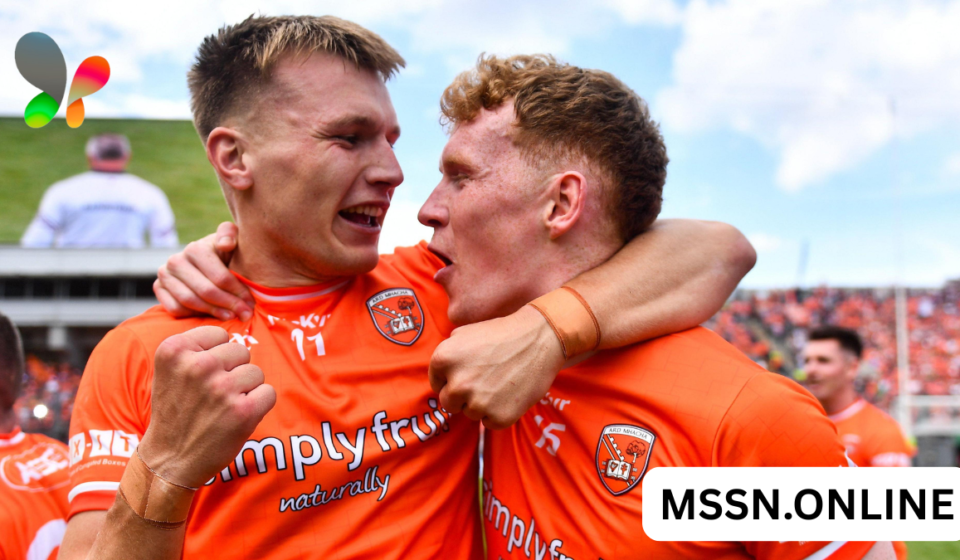
No discussion of Armagh players would be complete without recognizing the supporters who travel tirelessly to cheer them on. Whether matches take place locally or across the country, the sea of orange in the stands creates an atmosphere that players often describe as electrifying. That energy can transform fatigue into determination during critical moments.
Supporters also contribute to accountability. Knowing that entire communities invest emotionally in each performance encourages players to give their absolute best. Victory celebrations are shared experiences, while defeats are met with encouragement rather than abandonment. This unwavering loyalty strengthens the bond between team and county.
In many ways, supporters act as custodians of tradition. Stories of past triumphs are passed down through generations, ensuring that new players understand the legacy they inherit. When athletes step onto the pitch, they carry not only personal ambitions but also the hopes of countless fans.
Challenges in the Modern Era
Despite its proud history, Armagh football faces challenges familiar to many counties. Increased competition means that maintaining elite standards requires constant innovation. Opponents study tactics carefully, leaving little margin for complacency.
Player welfare has also become a pressing concern. Balancing careers, education, and high-level sport can be demanding, and burnout is a genuine risk. Administrators must therefore create environments that support both athletic and personal development. Flexible scheduling and access to professional guidance have proven beneficial in this regard.
Another challenge involves managing expectations. Success breeds ambition, but unrealistic pressure can hinder performance. By focusing on incremental progress rather than immediate glory, Armagh aims to sustain competitiveness over the long term.
Diversity of Playing Styles Within the Squad
One of Armagh’s strengths lies in the diversity of its players. Some excel through physical dominance, winning aerial duels and imposing themselves defensively. Others rely on agility and quick decision-making to unlock stubborn defenses. This variety makes the team tactically adaptable.
Midfielders often serve as the engine room, linking phases of play with tireless running. Their ability to secure possession frequently dictates the tempo. Meanwhile, defenders combine traditional toughness with modern positional awareness, ensuring that structure is rarely compromised.
Forwards bring flair, but their contributions extend beyond scoring. Intelligent pressing and selfless off-the-ball movement create opportunities that statistics alone cannot capture. Together, these complementary traits form a cohesive unit capable of confronting diverse challenges.
The Cultural Impact of Armagh Players
Beyond the pitch, Armagh footballers influence cultural life in profound ways. Their achievements foster civic pride, uniting people from different backgrounds under a shared banner. Match days often resemble festivals, complete with music, conversation, and collective anticipation.
Role modeling is another significant aspect. Young people observe how players conduct themselves—how they handle victory with humility and defeat with grace. These lessons extend into everyday life, reinforcing values such as perseverance and respect.
Moreover, the visibility of successful athletes can inspire broader participation in sport. Increased physical activity benefits public health, while community engagement strengthens social ties. In this sense, Armagh players contribute not only to sporting success but also to societal well-being.
Women’s Football and Expanding Horizons
While men’s football has historically dominated headlines, women’s Gaelic football in Armagh continues to grow in stature. Female athletes demonstrate the same dedication and competitive fire, challenging outdated assumptions about the sport. Their performances have attracted larger audiences and heightened media interest.
Investment in facilities and coaching has played a crucial role in this progress. As opportunities expand, more young girls view Gaelic football as a viable pathway rather than a peripheral activity. This inclusivity enriches the broader GAA ecosystem.
The interaction between male and female squads often fosters mutual respect. Shared training insights and collaborative initiatives strengthen the county’s overall sporting culture, illustrating that excellence knows no gender boundaries.
Technology and the Future of Player Development
Advancements in technology promise to reshape how Armagh prepares its athletes. GPS tracking, performance analytics, and recovery monitoring provide detailed insights into workload and efficiency. Coaches can tailor sessions precisely, maximizing improvement while minimizing injury risk.
Virtual platforms also facilitate tactical education. Players review scenarios, discuss alternatives, and refine decision-making processes. This intellectual engagement complements physical preparation, producing footballers who are both strong and strategically aware.
Looking ahead, the challenge will be integrating innovation without losing the human touch that defines Gaelic football. Data can guide choices, but instinct and passion remain irreplaceable. Armagh’s task is to balance both elements thoughtfully.
What It Means to Wear the Orange Jersey
For many athletes, representing Armagh is the culmination of years of sacrifice. The orange jersey symbolizes not just sporting achievement but also connection—to family members who once played, to coaches who offered guidance, and to communities that never stopped believing.
Match day rituals often reflect this emotional weight. Players speak of quiet moments before kickoff when they absorb the atmosphere and remind themselves why they began this journey. Such reflections can transform nerves into focused energy.
Ultimately, wearing the jersey is about stewardship. Each generation inherits a legacy and must decide how to shape it for those who follow. That sense of continuity ensures that Armagh football remains both grounded and forward-looking.
Lessons Other Counties Can Learn from Armagh
Armagh’s experience offers valuable insights for any sporting organization seeking sustainable success. First, invest in grassroots structures; talent flourishes when given proper support early on. Second, cultivate leadership at every level rather than relying solely on standout individuals.
Third, embrace adaptation. Sports evolve rapidly, and clinging to outdated methods rarely yields positive outcomes. Armagh’s willingness to integrate modern training and analysis demonstrates the benefits of open-mindedness.
Finally, never underestimate the power of community. When supporters feel genuinely connected, their encouragement becomes a competitive advantage. Armagh’s story illustrates that while trophies matter, the relationships formed along the way often prove even more enduring.
Looking Ahead: The Promise of Tomorrow
The future of Armagh GAA appears bright, fueled by emerging talents eager to leave their mark. Youth academies continue to identify prospects with both skill and character, ensuring that the county remains competitive in the years ahead.
Strategic planning will be essential. By setting realistic goals and maintaining developmental pathways, Armagh can avoid the boom-and-bust cycles that sometimes plague sporting teams. Consistency, rather than sporadic brilliance, should remain the guiding principle.
Most importantly, the county must preserve the passion that has always distinguished it. As long as children dream of playing in orange and supporters continue to fill the stands, Armagh football will retain its unique vitality. The story is far from finished; in many ways, the most exciting chapters may still lie ahead.
Conclusion
Armagh GAA players represent far more than athletic capability—they embody heritage, unity, and ambition. From humble beginnings on local pitches to the intensity of championship battles, their journey reflects a culture that values effort as much as outcome. Each tackle, pass, and score contributes to a narrative shaped by generations who refused to settle for mediocrity.
What truly distinguishes Armagh is its balance between honoring tradition and embracing progress. Players train smarter, analyze deeper, and prepare more thoroughly than ever before, yet the emotional core remains unchanged. The roar of supporters, the pride of wearing the jersey, and the responsibility to inspire future athletes continue to define the experience.
As the landscape of Gaelic football evolves, Armagh stands ready to adapt without losing its identity. Its players—past, present, and future—serve as reminders that greatness is rarely accidental. It is cultivated through community support, disciplined preparation, and an unwavering belief that every match offers an opportunity to grow.
FAQs
What makes Armagh GAA players unique?
Their blend of resilience, tactical awareness, and deep community connection sets them apart.
How important are local clubs in developing Armagh players?
Clubs form the foundation by nurturing skills, discipline, and loyalty from a young age.
Do Armagh teams focus on modern training methods?
Yes, they combine sports science, analytics, and traditional teamwork to maximize performance.
Why is supporter culture significant in Armagh?
Fans provide emotional energy and reinforce the strong bond between team and county.
Is the future bright for Armagh football?
With strong youth systems and evolving strategies, the county is well positioned for continued success.
Also read: Jig Borer: The Ultimate Expert Guide to Precision Machining