

M. Azedarach: The Ultimate Expert Guide to the Chinaberry Tree, Its Uses, Benefits, Ecology, and Cultural Importance

Introduction to M. Azedarach
M. azedarach, widely known as the Chinaberry tree, is one of those remarkable species that manages to be both admired and debated depending on where you encounter it. Scientifically classified as Melia azedarach, this deciduous tree belongs to the mahogany family, Meliaceae, a lineage famous for producing durable timber and biologically active plant compounds. Native to regions spanning South Asia, Southeast Asia, and parts of Australia, the tree has gradually spread across warmer parts of the world, becoming a familiar sight in landscapes ranging from rural farmlands to suburban streets.
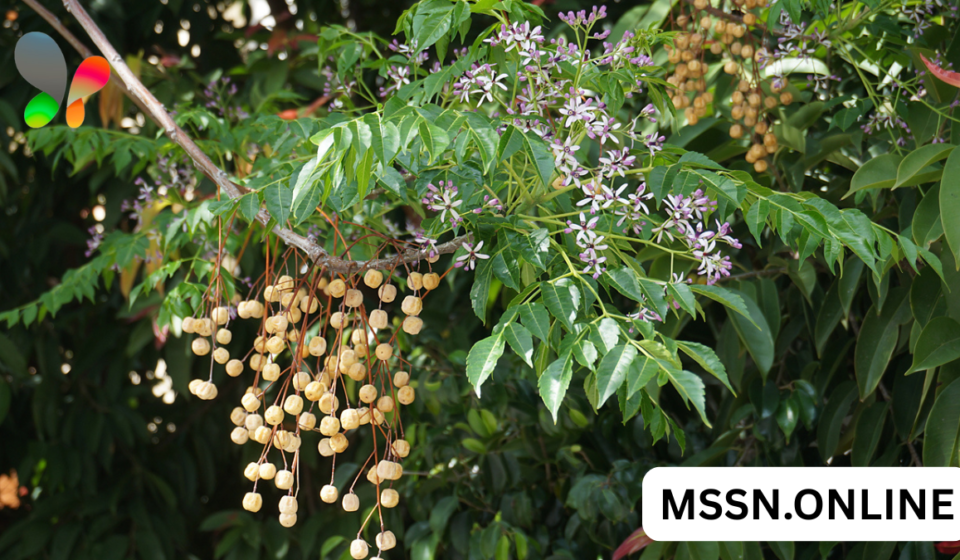
At first glance, the tree gives off an almost effortless elegance. Its feathery, fern-like leaves create a light canopy that filters sunlight beautifully, while clusters of pale purple flowers appear in spring with a subtle fragrance that carries surprisingly far on warm breezes. Later in the year, golden berries decorate the branches, often remaining long after the leaves fall, creating a distinctive winter silhouette. Because of these features, many communities initially planted it as an ornamental tree, drawn to its fast growth and minimal maintenance requirements.
Yet beneath its attractive exterior lies a plant with a complex identity. In some regions, it is appreciated for shade, medicinal potential, and natural pest-repellent properties. In others, it is labeled invasive due to its ability to spread quickly and compete with native vegetation. Understanding M. azedarach requires looking beyond appearances and exploring its botanical characteristics, ecological behavior, historical significance, and practical applications. When examined closely, it becomes clear that this is not merely another roadside tree but a species with a layered story shaped by centuries of human interaction.
Botanical Classification and Scientific Background
To truly understand M. azedarach, it helps to start with its place in the botanical world. The tree is part of the Meliaceae family, which also includes economically valuable species such as neem and mahogany. This connection alone hints at the biological richness of the tree, since many members of this family are known for producing compounds with antimicrobial and insecticidal properties. Botanists have long been intrigued by how these chemical defenses evolved, allowing trees like M. azedarach to thrive even in environments where pests would normally overwhelm less protected species.
The genus Melia is relatively small, but its members share certain recognizable traits. These include compound leaves, aromatic flowers, and fruit containing biologically active chemicals. The species name “azedarach” is believed to trace linguistic roots through Persian and Arabic terminology historically associated with noble or useful trees. Such naming conventions often reflected the practical value people saw in a plant long before modern taxonomy existed.
From a structural perspective, M. azedarach is typically considered a medium-sized deciduous tree, though under ideal conditions it can grow surprisingly tall. Its trunk often develops a somewhat irregular shape, branching outward into a rounded crown. This growth pattern contributes to its popularity as a shade tree, particularly in regions with intense summer heat. Botanists also note the tree’s adaptability; it tolerates poor soils better than many ornamental species, demonstrating a survival strategy that prioritizes flexibility over specialization.
Physical Characteristics and Identification
Identifying M. azedarach becomes easier once you know what features to watch for. One of the most distinctive elements is the foliage. The leaves are bipinnate or sometimes tripinnate, meaning they branch into smaller leaflets multiple times. This gives the canopy a delicate, lacy appearance that contrasts with the tree’s sturdy trunk. During the growing season, the leaves display a vibrant green, but as autumn approaches, they transition into warm yellow tones before dropping.
The flowers are another defining characteristic. Blooming typically in spring, they appear in loose clusters and feature narrow petals shaded in pale lavender to soft violet. At their center lies a darker purple tube that adds visual depth. While not overwhelmingly fragrant, the blossoms emit a pleasant scent that attracts pollinators such as bees and butterflies. This seasonal display often surprises people who previously overlooked the tree during winter dormancy.
Perhaps the most recognizable feature, however, is the fruit. The tree produces small, spherical drupes that shift from green to golden yellow as they mature. These berries can persist on branches for months, even after the leaves have fallen, giving the tree an ornamental quality during otherwise barren seasons. It is important to note, though, that the fruits contain compounds toxic to humans and many animals if consumed in large quantities. This dual nature—beautiful yet potentially hazardous—perfectly encapsulates the complexity of M. azedarach.
Native Habitat and Global Distribution
Originally rooted in Asia and Australia, M. azedarach evolved in climates characterized by warm temperatures and moderate rainfall. Over time, human cultivation accelerated its spread far beyond its native range. Traders, settlers, and horticulturists transported seeds across continents, often planting the tree in new settlements where fast shade was desirable. As a result, it now grows in parts of North and South America, Africa, the Mediterranean, and numerous island ecosystems.
Its success in diverse regions stems largely from environmental tolerance. The tree handles drought better than many ornamentals once established, yet it can also adapt to seasonal rainfall patterns. It is not particularly fussy about soil type, growing in sandy, loamy, or even somewhat compacted ground. This resilience has helped it flourish in urban settings where pollution and disturbed soils might challenge more sensitive species.
However, this adaptability has also contributed to ecological concerns. In some locations, the tree escapes cultivation and forms dense stands, shading out native plants and altering habitat structures. Birds often disperse the seeds after feeding on the fruit, unintentionally aiding its expansion. Consequently, environmental agencies in certain regions classify it as invasive. The lesson here is not that the tree is inherently harmful, but rather that ecological balance depends heavily on context. A species beneficial in one landscape may become problematic in another.
Historical and Cultural Significance

The relationship between humans and M. azedarach stretches back centuries. Historical records suggest that communities valued the tree not only for shade but also for its wood and medicinal potential. In parts of Asia, the berries were sometimes dried and used as beads for rosaries or decorative items, which explains why “bead tree” became one of its common names. Such uses highlight a time when nearly every part of a plant was integrated into daily life.
Traditional medicine systems occasionally incorporated extracts from the tree to address ailments ranging from skin conditions to intestinal parasites. While modern science approaches these claims cautiously, researchers continue to study the plant’s chemical profile for pharmacological insights. It is fascinating how traditional knowledge often guides scientific curiosity, prompting deeper investigation into compounds that might otherwise go unnoticed.
Culturally, the tree has symbolized resilience and protection in certain regions. Its ability to thrive under harsh conditions made it a metaphor for endurance, while its dense canopy offered literal refuge from the sun. Villages sometimes planted it near communal spaces, where people gathered for conversation or rest. Even today, older specimens often carry an unspoken historical presence, reminding observers that landscapes are shaped as much by human choices as by natural processes.
Growth Patterns and Life Cycle
M. azedarach is often described as a fast-growing tree, a trait that partly explains its popularity. Under favorable conditions, young trees can gain several feet in height each year. This rapid development allows them to establish shade relatively quickly, making them appealing for new properties or restoration projects seeking immediate visual impact.
The life cycle begins with seeds typically dispersed by birds or falling directly beneath the parent tree. Germination rates can be surprisingly high, especially in warm soils. Seedlings tend to grow vigorously, focusing early energy on vertical expansion before branching outward. Within a few years, the tree begins forming the recognizable rounded crown that defines its mature appearance.
Despite its speed, the tree is not particularly long-lived compared to some hardwoods. Many specimens thrive for a few decades rather than centuries. Yet during that time, they contribute significantly to local ecosystems by providing shelter for birds and insects. Understanding this relatively shorter lifespan helps explain why the species prioritizes rapid reproduction; producing abundant fruit ensures continuity even if individual trees do not endure for generations.
Environmental Benefits and Ecological Role
Like most trees, M. azedarach plays a meaningful role in environmental health. Its leaves capture carbon dioxide, contributing modestly to climate regulation, while the canopy offers shade that reduces ground temperatures. In urban areas especially, this cooling effect can help mitigate heat islands created by pavement and buildings. Even a single mature tree can noticeably improve microclimate conditions.
Wildlife interactions further enhance its ecological value. Pollinators visit the flowers, while birds often perch among the branches. Although the fruit’s toxicity limits consumption by some species, others have adapted to handle it safely, aiding seed dispersal in the process. The tree therefore becomes part of a broader food web, demonstrating how ecological relationships often evolve in unexpected ways.
At the same time, responsible management remains essential. When introduced into sensitive ecosystems, the tree’s vigorous growth may outcompete native vegetation. Thoughtful planting strategies—such as avoiding areas near natural reserves—can help balance benefits with potential risks. Ultimately, ecological stewardship is less about rejecting certain species outright and more about understanding where they fit harmoniously within the landscape.
Practical Uses of M. Azedarach
Beyond aesthetics, M. azedarach offers a surprising range of practical applications. Its wood, while not as famous as true mahogany, is workable and moderately durable. Craftspeople have used it for furniture, small carvings, and household items. The grain can display attractive patterns, rewarding those willing to handle it carefully during processing.
Another intriguing use involves natural pest control. Compounds found in various parts of the tree exhibit insect-repelling properties, prompting experimentation with botanical pesticides. Gardeners interested in reducing synthetic chemical use sometimes explore plant-based alternatives inspired by species within the Meliaceae family. Though not a universal solution, these natural defenses illustrate the biochemical sophistication plants develop over millions of years.
The tree also serves practical landscaping functions. Because it grows quickly and tolerates urban stressors, planners sometimes select it for windbreaks or shade corridors. Its relatively open canopy allows filtered light to reach the ground, enabling grass or smaller plants to coexist beneath it. This balance between shade and permeability makes it more versatile than denser species that create deep, plant-inhibiting shadow.
Medicinal Research and Traditional Remedies
For generations, traditional healers explored the therapeutic possibilities of M. azedarach. Extracts were sometimes applied externally for skin concerns or investigated for their potential antimicrobial effects. While historical practices should always be approached with scientific scrutiny, they often spark valuable research directions. Modern laboratories continue examining the tree’s phytochemicals to better understand their biological activity.
Researchers have identified compounds that may influence inflammation or insect behavior, though translating these findings into safe medical treatments requires extensive testing. It is crucial to remember that “natural” does not automatically mean harmless. The same chemicals that deter pests can be toxic to humans if misused. Responsible research therefore emphasizes dosage, purification, and controlled study conditions.
What makes this ongoing exploration exciting is the reminder that many familiar trees still hold biochemical secrets. As analytical technology advances, scientists gain clearer insight into molecular structures once impossible to isolate. M. azedarach stands as a testament to how traditional knowledge and modern science can intersect, each informing the other in the pursuit of deeper understanding.
Landscaping Appeal and Ornamental Value
From a design perspective, M. azedarach offers several qualities landscapers appreciate. Its rounded crown creates a welcoming visual anchor, while seasonal changes keep the tree interesting year-round. Spring blossoms introduce soft color, summer foliage provides cooling shade, autumn leaves add warmth, and winter berries maintain decorative presence when most trees appear stark.
Another advantage is its adaptability to pruning. Skilled gardeners can shape young trees to encourage balanced branching, reducing the likelihood of structural weakness later. Because the canopy is not overly dense, it works well in mixed plantings where sunlight must still reach shrubs or groundcover. This flexibility opens creative possibilities for both formal and naturalistic garden styles.
However, thoughtful placement matters. Dropped fruit can create minor cleanup tasks in high-traffic areas, and awareness of toxicity is important for households with curious pets or small children. These considerations do not negate the tree’s beauty but rather underscore the importance of informed planting decisions. When matched with the right environment, it can become a striking and low-maintenance focal point.
Challenges, Toxicity, and Safety Considerations
No comprehensive discussion of M. azedarach would be complete without addressing its toxic properties. Various parts of the tree, particularly the fruit, contain compounds that can cause gastrointestinal distress or more severe symptoms if ingested in significant quantities. This is why experts generally advise against planting it in spaces heavily used by livestock.
Symptoms of poisoning may include nausea, weakness, or neurological effects, depending on the amount consumed. Fortunately, most animals instinctively avoid the fruit, but exceptions exist. Awareness and preventive measures—such as removing fallen berries—can significantly reduce risk. Education remains the most effective safety tool.
It is worth emphasizing that toxicity is not unusual in the plant kingdom. Many beloved ornamentals possess chemical defenses; what matters is understanding how to coexist safely with them. With proper knowledge, the Chinaberry tree can be appreciated for its strengths while minimizing potential hazards.
Propagation and Care
Growing M. azedarach is relatively straightforward, which partly explains its widespread presence. Seeds germinate readily when exposed to warmth and moisture, though some growers prefer soaking them beforehand to improve success rates. Young trees benefit from regular watering until roots establish, after which they become more drought-tolerant.
Sunlight is another key factor. The tree thrives in full sun, where it develops a fuller canopy and stronger branching structure. While it can tolerate partial shade, insufficient light may lead to uneven growth. Occasional pruning helps maintain shape and remove damaged limbs, particularly after storms.
Soil requirements are refreshingly flexible. Although the tree prefers well-drained ground, it adapts to less-than-ideal conditions better than many ornamentals. This resilience makes it appealing for challenging sites where other species struggle. Still, basic care—mulching, monitoring for pests, and avoiding mechanical damage—goes a long way toward ensuring long-term health.
Comparing M. Azedarach to Related Species
Because it belongs to the mahogany family, M. azedarach is often compared to neem, another tree celebrated for its medicinal and insect-repellent properties. While both share certain biochemical traits, neem generally enjoys a stronger reputation in modern agricultural applications. Chinaberry, by contrast, occupies a more mixed position due to its invasive tendencies in some climates.
Visually, the two differ as well. Neem typically retains foliage longer in warm regions, whereas M. azedarach displays a more pronounced deciduous cycle. Flower structures and fruit appearance also vary, offering helpful identification cues for botanists and gardeners alike.
Such comparisons remind us that plant families are like extended genealogies. Members share ancestral characteristics yet diverge through adaptation to different environments. Studying these relationships enriches our understanding of biodiversity and highlights the evolutionary pathways that shape the natural world.
Future Perspectives and Ecological Responsibility
Looking ahead, the story of M. azedarach will likely continue evolving as climate patterns shift and urban landscapes expand. Trees capable of tolerating heat and irregular rainfall may become increasingly valuable, prompting renewed interest in hardy species. At the same time, ecological awareness encourages more careful evaluation before introducing non-native plants into sensitive habitats.
Research may further clarify how best to harness the tree’s beneficial compounds while managing its spread responsibly. Advances in horticulture could even produce cultivars less prone to invasiveness, balancing ornamental appeal with environmental caution. This blend of innovation and stewardship represents the future of sustainable landscaping.
Ultimately, the Chinaberry tree invites us to think beyond simple labels like “good” or “bad.” Nature rarely fits neatly into such categories. Instead, every species participates in a network of relationships shaped by geography, climate, and human decision-making. When approached with knowledge and respect, M. azedarach becomes more than just another tree—it becomes a case study in how humans and ecosystems continuously adapt to one another.
Conclusion
M. azedarach stands as a compelling example of botanical complexity. Beautiful yet resilient, useful yet occasionally controversial, it reflects the nuanced role trees play in both natural and human-designed environments. Its rapid growth, ornamental charm, and biochemical intrigue have secured it a place in landscapes around the world, while its invasive potential in certain regions serves as a reminder that ecological balance demands thoughtful stewardship.
Whether admired for its lavender blossoms, studied for its chemical compounds, or debated in environmental circles, the Chinaberry tree continues to capture attention. Understanding it fully means embracing both its advantages and its limitations. In doing so, we cultivate not only better landscapes but also a deeper appreciation for the intricate dynamics that define the plant kingdom.
FAQs
What is M. azedarach commonly called?
It is most commonly known as the Chinaberry tree, but it is also referred to as the bead tree, Persian lilac, and white cedar.
Is M. azedarach toxic?
Yes, especially the fruit, which contains compounds that can be harmful if eaten in large amounts.
Where does M. azedarach originate from?
The tree is native to parts of Asia and Australia but is now found in many warm regions worldwide.
Is the Chinaberry tree good for landscaping?
It can be an attractive shade tree when planted thoughtfully and managed responsibly.
How fast does M. azedarach grow?
It is considered a fast-growing tree and can gain several feet per year under favorable conditions.
Can animals eat Chinaberry fruit safely?
Most animals avoid it, but ingestion can be dangerous, so caution is advised.
Does M. azedarach have medicinal uses?
Traditional practices explored its medicinal properties, and modern research continues to study its chemical compounds.
Is the tree invasive?
In some regions it spreads aggressively, so local guidelines should be checked before planting.
What type of soil does it prefer?
It adapts to many soil types but performs best in well-drained ground.
Why do people plant M. azedarach?
It is often chosen for fast shade, ornamental beauty, and environmental resilience.
Also read: Tarcul: A Complete Expert Guide to Meaning, Uses, History, and Modern Relevance